
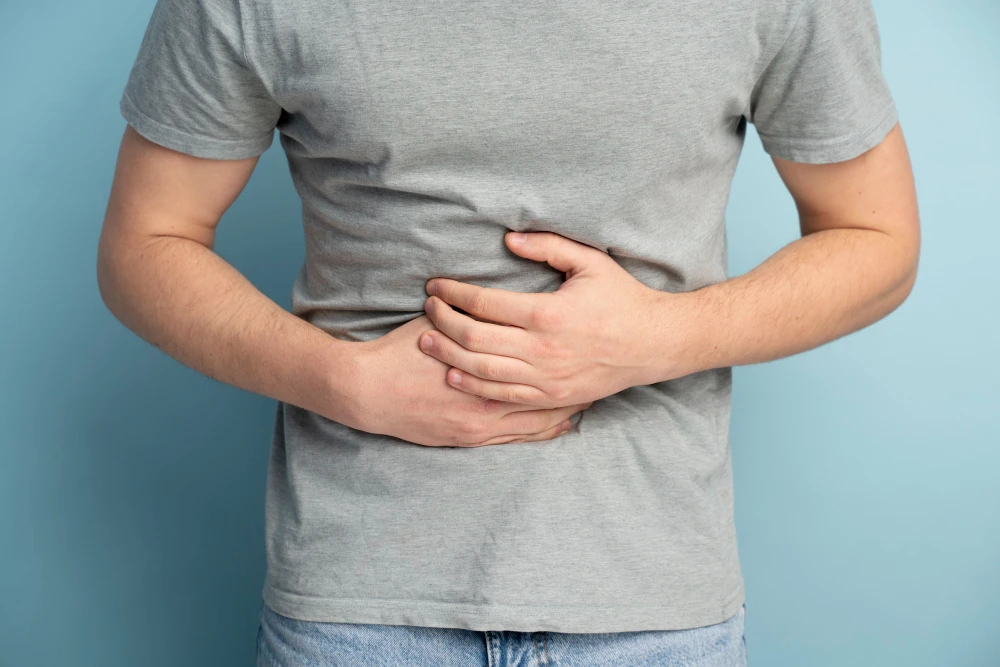
Fatty Liver: The Silent Condition Affecting 1 in 4 Adults
Here’s something surprising. You don’t have to drink alcohol to develop liver disease. In fact, the fastest-growing form of liver disease today has nothing to do with drinking at all.
It’s called fatty liver disease. And right now, it affects roughly 25% of adults worldwide. Most of them have no symptoms. Most of them have no idea their liver is struggling.
This guide explains the real causes, symptoms, and treatment of fatty liver disease in plain, simple language. By the end, you’ll know exactly what to watch for, and exactly what to do about it.
📋 Table of Contents
- What Is Fatty Liver Disease?
- Two Types of Fatty Liver Disease
- What Causes Fatty Liver Disease
- Who Is Most at Risk?
- Symptoms of Fatty Liver Disease
- Stages of Fatty Liver Disease
- What Happens If It’s Left Untreated
- How Fatty Liver Is Diagnosed
- How to Treat and Reverse Fatty Liver
- Exercise and Fatty Liver
- Best Diet for Fatty Liver
- How to Prevent Fatty Liver Disease
- Frequently Asked Questions
What Is Fatty Liver Disease?
Let’s start simple. Your liver is supposed to have a little fat. That’s normal.
But sometimes, fat builds up too much. When fat makes up more than 5–10% of your liver’s total weight, doctors call this fatty liver disease. The medical term is hepatic steatosis.
Think of your liver like a sponge. A healthy liver soaks up nutrients, filters toxins, and processes fat efficiently. But a fatty liver gets clogged. It struggles to do its job properly.
Here’s the part that surprises most people. Fatty liver disease often shows no symptoms at all. You could have it right now and not know it. That’s exactly why this condition has earned its nickname: the silent liver disease.
Studies show that up to 70% of people with type 2 diabetes have some degree of fatty liver. Among people with obesity, that number jumps to over 80%. Most never get diagnosed — because there are simply no obvious warning signs.
Two Types of Fatty Liver Disease
Not all fatty liver disease is the same. Doctors split it into two main categories.
1. Alcoholic Fatty Liver Disease (AFLD)
This type is caused by heavy, long-term alcohol use. Alcohol is toxic to liver cells. Over time, it causes fat to build up as the liver struggles to process it.
2. Non-Alcoholic Fatty Liver Disease (NAFLD)
This type happens in people who drink little to no alcohol. It’s far more common today — and it’s closely tied to obesity, insulin resistance, and poor metabolic health.
In fact, NAFLD has become so significant that doctors recently gave it a new, more accurate name: Metabolic Dysfunction-Associated Steatotic Liver Disease (MASLD). This name reflects what we now know — that fatty liver is deeply connected to how your whole body processes sugar and fat, not just what you drink.
What Causes Fatty Liver Disease
So, what actually causes fat to build up in the liver? It usually comes down to one simple imbalance. Your liver takes in or makes more fat than it can use or export. Over time, that extra fat gets stored — right inside liver cells.
Several factors can trigger or worsen this imbalance. Let’s break them down.
- Obesity and excess body fat. Especially fat around your belly. This visceral fat sends a steady stream of fatty acids straight to your liver.
- Insulin resistance and type 2 diabetes. High insulin levels push your liver to store more fat than it should.
- Too much sugar, especially fructose. Sugary drinks are a major culprit. Your liver converts excess fructose directly into fat.
- Heavy alcohol use. The leading cause of alcoholic fatty liver disease.
- High cholesterol and triglycerides. These often appear alongside fatty liver, not just as a result of it.
- A sedentary lifestyle. Without regular movement, your body becomes less efficient at burning fat.
- Certain medications. Including corticosteroids and some chemotherapy drugs.
- Very rapid weight loss. Surprisingly, losing weight too quickly can also trigger fatty liver in some people.
Notice something? Most of these causes are lifestyle-related. That’s actually good news. It means most cases of fatty liver disease are preventable — and reversible.
Who Is Most at Risk?
Anyone can develop fatty liver disease. However, some people face a much higher risk than others. You may want to pay closer attention if you fall into one or more of these groups.
- People living with obesity or who are significantly overweight
- People with type 2 diabetes or prediabetes
- People with metabolic syndrome (high blood pressure, high blood sugar, excess belly fat)
- People with high cholesterol or triglycerides
- People who drink alcohol heavily or regularly
- People over the age of 50
- People with a sedentary lifestyle and poor diet
- People with polycystic ovary syndrome (PCOS)
If you recognize yourself in this list, don’t panic. Awareness is the first step toward protecting your liver. The next step is simply getting checked.
Symptoms of Fatty Liver Disease
Here’s the tricky part. In its early stages, fatty liver disease usually causes no symptoms whatsoever. This is exactly why so many people go undiagnosed for years.
When symptoms do show up, they tend to be vague. They’re easy to blame on something else, like stress or poor sleep.
Early Symptoms (Often Overlooked)
- Ongoing fatigue or low energy
- A dull ache or fullness in the upper right side of your abdomen
- Unexplained weight changes
- Mild discomfort after eating fatty meals
Advanced Symptoms (Require Urgent Attention)
As fatty liver disease progresses to more serious stages, the symptoms become harder to ignore. These include:
- Jaundice — yellowing of the skin or eyes
- Swelling in the abdomen or legs
- Easy bruising or bleeding
- Confusion or difficulty concentrating
- Severe fatigue and weakness
If you notice any of these advanced symptoms, please see a doctor right away. They often signal significant liver damage that needs immediate care.
Stages of Fatty Liver Disease
Fatty liver disease doesn’t appear overnight, and it doesn’t stay the same forever. It typically moves through four distinct stages. Understanding these stages helps explain why early action matters so much.
| Stage | What Happens | Can It Be Reversed? |
|---|---|---|
| 1. Simple Steatosis | Fat builds up in liver cells; minimal inflammation | Yes — fully reversible |
| 2. Steatohepatitis (NASH) | Fat plus inflammation and liver cell damage | Yes, with lifestyle changes |
| 3. Fibrosis | Scar tissue starts forming around liver cells | Partially reversible |
| 4. Cirrhosis | Severe, widespread scarring; liver function impaired | Generally not reversible |
Here’s the encouraging part. Caught early, fatty liver disease is highly reversible. Stage 1 and stage 2 can often be completely undone through diet, exercise, and weight loss alone — no medication required.
What Happens If It’s Left Untreated
So, what’s the real risk of ignoring fatty liver disease? Quite a lot, actually.
Left unchecked, fatty liver can quietly progress over many years. It moves from simple fat buildup to inflammation, then scarring, and eventually to serious, life-threatening complications.
- Liver cirrhosis — extensive, often permanent scarring that severely limits liver function
- Liver failure — a life-threatening condition that may require a liver transplant
- Liver cancer — fatty liver significantly raises long-term cancer risk
- Heart disease — fatty liver is strongly linked to higher cardiovascular risk, not just liver problems
- Type 2 diabetes — fatty liver and diabetes often worsen each other in a vicious cycle
Once fatty liver disease progresses to cirrhosis, the damage is usually permanent. This is exactly why catching it early — before symptoms even appear — makes such a massive difference. A simple blood test or ultrasound today could prevent irreversible damage years down the line.
How Fatty Liver Is Diagnosed
Good news: diagnosing fatty liver disease is usually quick and painless. Doctors typically use one or more of the following tests.
- Liver function blood tests. Elevated ALT and AST enzymes often signal that your liver is under stress.
- Abdominal ultrasound. The most common first-line test. It’s quick, painless, and can clearly show fat buildup.
- FibroScan (elastography). This measures liver stiffness, which helps detect early scarring.
- MRI or CT scan. Used when doctors need a more detailed picture.
- Liver biopsy. The most definitive test. Usually reserved for complex or advanced cases.
Most people start with a simple blood test during a routine checkup. If results look unusual, your doctor will likely follow up with an ultrasound.
How to Treat and Reverse Fatty Liver
Here’s something important to understand. There is currently no specific medication approved just for fatty liver disease. So, what actually works? Lifestyle change. And the evidence here is genuinely encouraging.
The Most Effective Treatment Strategies
- Lose 7–10% of your body weight. Research consistently shows this amount of weight loss can significantly reduce liver fat — and even reverse early fibrosis.
- Exercise regularly. Aim for at least 150 minutes of moderate activity weekly. This reduces liver fat even without major weight loss.
- Cut back on alcohol. Reducing or eliminating alcohol is essential, whether you have alcoholic or non-alcoholic fatty liver.
- Manage your blood sugar. Tightly controlling glucose levels reduces ongoing stress on your liver.
- Avoid unnecessary medications and supplements. Many over-the-counter products place extra strain on an already struggling liver.
The takeaway? You have far more control over this condition than you might think. Small, consistent changes really do add up.
Exercise and Fatty Liver
Let’s talk specifically about exercise, because the research here is genuinely exciting. Studies show that exercise reduces liver fat even when body weight doesn’t change much. That means movement itself — not just weight loss — directly benefits your liver.
What kind of exercise works best? A combination approach tends to perform well.
- Aerobic exercise — walking, cycling, swimming, or jogging for at least 30 minutes most days
- Strength training — 2–3 sessions per week to build muscle and improve insulin sensitivity
- Daily movement — taking the stairs, walking after meals, and reducing long periods of sitting
Even modest amounts of consistent activity make a measurable difference. You don’t need to become a gym enthusiast overnight. You just need to start moving more, more often.
Best Diet for Fatty Liver
Diet plays perhaps the single biggest role in reversing fatty liver disease. Researchers consistently point to one eating pattern as the gold standard: the Mediterranean diet.
This way of eating emphasizes vegetables, whole grains, legumes, fish, and olive oil. It’s not a restrictive fad diet. It’s simply a sustainable, balanced way of eating that happens to be incredibly liver-friendly.
Foods to Eat More Of
- Leafy greens and vegetables — packed with fiber and antioxidants
- Whole grains — oats, brown rice, and quinoa instead of refined carbs
- Healthy fats — olive oil, avocados, and nuts
- Fatty fish — salmon, sardines, and mackerel, rich in omega-3s
- Coffee — in moderation; research links regular coffee drinking to lower liver fibrosis risk
Foods to Cut Back On
- Sugary drinks — sodas, fruit juices, and sweetened coffee drinks
- Refined carbohydrates — white bread, pastries, and processed snacks
- Fried and ultra-processed foods — these add unnecessary fat and inflammation
- Excessive alcohol — even moderate drinking can slow your liver’s recovery
Small swaps make a big difference. Replace soda with water. Choose whole grain bread instead of white. Add a serving of vegetables to dinner tonight. These changes feel small, but together, they meaningfully support your liver’s recovery.
How to Prevent Fatty Liver Disease
Prevention is always easier than treatment. The good news? The same habits that reverse fatty liver also prevent it in the first place.
- Maintain a healthy body weight through balanced eating and regular movement
- Limit sugary drinks and ultra-processed foods
- Keep alcohol consumption within moderate limits, or avoid it entirely
- Stay physically active most days of the week
- Manage blood sugar levels if you have diabetes or prediabetes
- Get regular checkups, especially if you have risk factors like obesity or diabetes
None of these steps require drastic, overnight change. Consistency matters far more than perfection.
Frequently Asked Questions
❓ Can fatty liver be completely reversed?
Yes, often it can. In its early stages — simple steatosis and even early NASH — fatty liver disease is highly reversible through weight loss, diet, and regular exercise. Once significant fibrosis or cirrhosis develops, however, reversal becomes far more limited. This is exactly why early detection matters so much.
❓ Can you have fatty liver without drinking alcohol?
Absolutely. Non-Alcoholic Fatty Liver Disease (NAFLD) is now the most common cause of fatty liver worldwide. It happens in people who drink little to no alcohol, and it’s strongly linked to obesity, insulin resistance, and poor diet rather than drinking habits.
❓ How much weight loss is needed to reduce liver fat?
Studies consistently show that losing just 7–10% of your body weight can significantly reduce liver fat and inflammation. Some research even shows improvement in liver fibrosis at this level of weight loss. You don’t need to lose a dramatic amount to see real benefits.
❓ Is fatty liver disease dangerous if left untreated?
Yes, it can be. Left unaddressed, fatty liver can progress to steatohepatitis, fibrosis, cirrhosis, and even liver cancer over time. It’s also strongly associated with a higher risk of cardiovascular disease, which makes early lifestyle intervention important for more than just liver health.
❓ What foods should I avoid with fatty liver?
Try to limit sugary drinks, refined carbohydrates, fried foods, and excessive alcohol. All of these directly contribute to liver fat buildup. Instead, focus on whole, minimally processed foods that are rich in fiber and healthy fats.
❓ Does exercise alone help fatty liver, even without weight loss?
Yes, surprisingly. Research shows that regular exercise reduces liver fat even when body weight stays relatively stable. This means movement itself provides a direct benefit to your liver, separate from any weight you might lose along the way.
🌿 Catch It Early — Reverse It Naturally
Understanding fatty liver disease causes, symptoms, and treatment puts real power in your hands. This condition often develops silently. But it doesn’t have to stay that way for you.
The liver is one of the most resilient organs in your body. Give it the right support — through better food choices, regular movement, and a healthier relationship with alcohol — and it can genuinely heal itself.
Eat a little better today. Move a little more this week. Get screened if you’re at risk. Your liver works silently for you every single day. Now it’s your turn to return the favor. 💚
Medical Disclaimer: The information provided in this article is intended for general educational and informational purposes only and does not constitute medical advice, diagnosis, or treatment. Please consult a qualified physician or hepatologist for proper diagnosis and management of fatty liver disease. BestInMeds.com does not recommend or endorse any specific medication, supplement, or treatment protocol.