
Losing More Hair Than Usual? Your Body Might Be Sending You a Warning
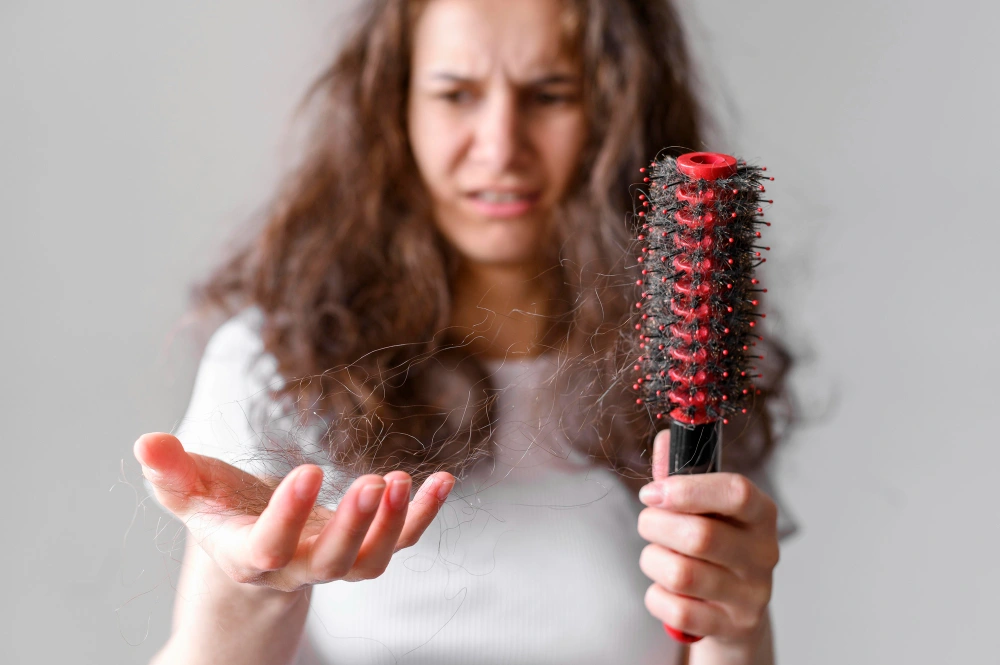
You notice it in the shower drain. On your pillow. Wrapped around your hairbrush. Losing some hair every day is completely normal — but when handfuls start coming out and your scalp begins to show, something deeper is going on. Understanding hair fall causes, symptoms, and treatment is the first step toward reclaiming not just your hair — but your confidence and your health.
📋 Table of Contents
- → What Is Hair Fall and How Much Is Normal?
- → Understanding the Hair Growth Cycle
- → Warning Signs of Abnormal Hair Fall
- → Common and Serious Causes of Hair Fall
- → Types of Hair Loss You Should Know
- → Who Is Most at Risk?
- → How Is Hair Fall Diagnosed?
- → Hair Fall Treatment: What Actually Works
- → Natural Remedies and Lifestyle Changes
- → How to Prevent Hair Fall
- → Frequently Asked Questions
What Is Hair Fall and How Much Is Normal?
Hair fall — medically referred to as alopecia or excessive hair shedding — is one of the most common health complaints worldwide. Every single day, a healthy person loses somewhere between 50 to 100 strands of hair as part of the normal hair growth and replacement cycle. This level of shedding is entirely natural and does not result in visible thinning.
The problem begins when daily hair loss consistently exceeds 100 strands, when hair is not being replaced at the same rate it is lost, or when hair follicles are damaged and stop producing new hair altogether. At this point, visible thinning, widening of the part, a receding hairline, or bald patches begin to appear — and what started as “a little extra shedding” becomes a genuine health and cosmetic concern.
Hair fall affects an estimated 50% of women and 85% of men at some point in their lives. Despite how common it is, the emotional and psychological impact — particularly for women — is profound. Studies consistently show that hair loss is associated with significantly increased rates of anxiety, depression, and reduced quality of life. That’s why getting to the root cause matters — literally and figuratively.
Understanding the Hair Growth Cycle
To understand why hair falls out, you first need to understand how hair grows. Each strand of hair goes through a continuous four-phase cycle — and disruption to any phase can result in excessive shedding or permanent follicle damage.
| Phase | Name | Duration | What Happens |
|---|---|---|---|
| 1 | Anagen (Growth) | 2–7 years | Active hair growth; 85–90% of all hair is in this phase at any time |
| 2 | Catagen (Transition) | 2–3 weeks | Hair stops growing; follicle shrinks and detaches from blood supply |
| 3 | Telogen (Resting) | 3–4 months | Hair rests in follicle; new hair begins forming beneath it |
| 4 | Exogen (Shedding) | 2–5 months | Old hair sheds as new hair pushes through; normal daily shedding occurs here |
When internal or external stressors push a large number of hair follicles prematurely into the telogen (resting) phase, a condition called telogen effluvium occurs — causing sudden, dramatic shedding that can be alarming but is often reversible once the trigger is addressed.
Warning Signs of Abnormal Hair Fall
Knowing the difference between normal daily shedding and genuinely abnormal hair fall is critical for timely intervention. The earlier you recognize and address abnormal hair loss, the better your chances of reversing or minimizing it.
- Noticeably more hair on your pillow, in the shower drain, or on your brush than usual
- Widening of your hair part — a widening part line is one of the earliest visible signs of diffuse hair thinning in women
- Visible scalp — being able to see the scalp through the hair under normal lighting
- Receding hairline — particularly at the temples and forehead; the classic early sign of male-pattern baldness
- Bald patches — circular or irregular areas of complete hair loss; characteristic of alopecia areata
- Thinning ponytail — your ponytail circumference has noticeably reduced over time
- Hair breakage — hair snapping mid-shaft rather than falling from the root; indicates structural damage rather than follicle-level loss
- Scalp symptoms — itching, flaking, redness, or tenderness accompanying hair loss may indicate scalp infection or inflammatory conditions
💡 The Pull Test — A Simple At-Home Check
Gently grasp a small section of about 40–60 hairs between your thumb and index finger. Run your fingers firmly from scalp to tip while applying light tension. Losing more than 6 strands is considered a positive pull test — suggesting active, excessive shedding that warrants medical evaluation. This simple test can give you an immediate indication of whether your hair fall is within normal range.
Common and Serious Causes of Hair Fall
Hair fall is a symptom — not a disease in itself. The most important step in addressing it is identifying its cause. The causes of hair fall are remarkably diverse — spanning nutritional deficiencies, hormonal imbalances, autoimmune conditions, medications, and genetics.
1. Nutritional Deficiencies
Hair follicles are among the most metabolically active structures in the body — they require a constant, rich supply of nutrients to function. Deficiencies in key nutrients are among the most common and most frequently overlooked causes of hair fall:
- Iron deficiency — The most common nutritional cause of hair loss, particularly in women. Iron is essential for producing hemoglobin which carries oxygen to hair follicles. Even mild iron deficiency without clinical anemia can cause noticeable shedding.
- Protein deficiency — Hair is made of keratin — a protein. Inadequate dietary protein forces the body to redirect available protein away from hair production toward vital organ function.
- Biotin (Vitamin B7) — Essential for keratin synthesis. Deficiency causes brittle hair and increased shedding, though true deficiency is less common than supplement marketing suggests.
- Zinc — Critical for hair follicle repair and growth. Both deficiency and excess zinc can trigger hair loss.
- Vitamin D — Emerging research strongly links Vitamin D deficiency to hair follicle cycling disruption and increased shedding.
- Vitamin B12 — Deficiency impairs red blood cell production, reducing oxygen delivery to hair follicles.
2. Hormonal Imbalances
Hormones are powerful regulators of the hair growth cycle. Any significant hormonal disruption can push follicles into the shedding phase prematurely:
- Thyroid disorders — Both hypothyroidism and hyperthyroidism cause diffuse hair thinning across the entire scalp. Thyroid hormones directly regulate hair follicle cycling — making thyroid function one of the first things tested when investigating hair fall.
- Androgens (male hormones) — DHT (dihydrotestosterone), a potent androgen derived from testosterone, is the primary driver of genetic hair loss in both men and women. It miniaturizes hair follicles over time until they stop producing hair entirely.
- PCOS — Elevated androgens in PCOS cause male-pattern thinning at the crown and temples in women, often alongside acne and excess facial hair.
- Postpartum hormonal changes — The dramatic drop in estrogen after childbirth causes a massive synchronized shift of hair follicles into the shedding phase — producing the alarming hair loss many new mothers experience at 3–4 months postpartum.
- Menopause — Declining estrogen levels during perimenopause and menopause reduce the growth-promoting effects of estrogen on hair follicles, resulting in progressive thinning.
3. Chronic Stress
Significant physical or emotional stress — surgery, serious illness, bereavement, job loss, or prolonged psychological pressure — can trigger telogen effluvium: a sudden shift of up to 30% of actively growing hair follicles into the resting and shedding phase simultaneously. The resulting hair loss typically begins 2 to 3 months after the stressful event — which is why people often fail to connect the shedding to its actual cause.
4. Genetics — Androgenetic Alopecia
The most common cause of progressive hair loss in both men and women is androgenetic alopecia — also known as male-pattern or female-pattern baldness. It is a hereditary condition driven by genetic sensitivity of hair follicles to DHT. In men, it typically presents as a receding hairline and crown baldness. In women, it manifests as diffuse thinning at the crown with preservation of the frontal hairline.
Contrary to popular belief, the gene for androgenetic alopecia can be inherited from either parent — not exclusively from the maternal grandfather as the old myth suggests.
5. Scalp Conditions and Infections
- Dandruff and seborrheic dermatitis — Chronic scalp inflammation from these conditions disrupts the follicular environment and can accelerate shedding
- Tinea capitis (scalp ringworm) — A fungal infection causing patchy hair loss with scaly, itchy scalp; most common in children but affects adults too
- Folliculitis — Bacterial or fungal infection of hair follicles causing inflammation, scarring, and permanent hair loss if untreated
- Psoriasis of the scalp — Autoimmune-driven scalp inflammation that disrupts hair growth and causes shedding in affected areas
6. Medications and Medical Treatments
A surprisingly wide range of medications list hair loss as a side effect — including chemotherapy drugs, blood thinners (warfarin, heparin), antidepressants, blood pressure medications (beta-blockers), retinoids, and anti-thyroid drugs. Chemotherapy-induced alopecia is the most dramatic example — targeting all rapidly dividing cells, including hair follicle cells, causing complete hair loss across the body.
7. Autoimmune Conditions
- Alopecia areata — The immune system mistakenly attacks hair follicles, causing sudden, patchy hair loss. Can progress to total scalp baldness (alopecia totalis) or complete body hair loss (alopecia universalis).
- Lupus — Systemic lupus erythematosus causes diffuse hair thinning and characteristic “lupus hair” — fragile, broken hairs along the hairline.
- Hashimoto’s thyroiditis — Autoimmune thyroid destruction leads to hypothyroidism and its associated hair loss.
8. Hair Care Practices and Physical Damage
- Traction alopecia — Chronic pulling from tight hairstyles (braids, weaves, tight ponytails) damages follicles at the hairline over time — eventually causing permanent loss
- Heat damage — Excessive use of flat irons, curling wands, and blow dryers at high temperatures weakens and breaks hair shafts
- Chemical damage — Frequent bleaching, perming, and relaxing treatments strip the hair of its protective protein structure
- Trichotillomania — A psychological condition involving compulsive hair pulling that causes irregular patches of hair loss
⚠️ See a Doctor If You Notice:
- Sudden, rapid hair loss over a matter of weeks
- Patchy or circular bald spots appearing unexpectedly
- Hair loss accompanied by scalp pain, itching, or burning
- Complete loss of eyebrows, eyelashes, or body hair alongside scalp hair loss
- Hair loss after starting a new medication
- Hair loss alongside other symptoms — fatigue, weight changes, or skin changes
Types of Hair Loss You Should Know
| Type | Pattern | Primary Cause | Reversible? |
|---|---|---|---|
| Androgenetic Alopecia | Receding hairline / crown thinning | Genetics + DHT | Manageable, not reversible |
| Telogen Effluvium | Diffuse shedding all over scalp | Stress, illness, nutritional deficiency | Usually fully reversible |
| Alopecia Areata | Patchy, circular bald spots | Autoimmune | Often reversible with treatment |
| Traction Alopecia | Hairline recession at temples | Chronic hair pulling/tight styles | Reversible if caught early |
| Scarring Alopecia | Irregular patches with scalp changes | Inflammation, infection, autoimmune | Permanent — early treatment critical |
| Anagen Effluvium | Rapid, complete hair loss | Chemotherapy, radiation | Typically reversible after treatment |
Who Is Most at Risk?
While hair fall can affect anyone at any age, certain groups face significantly higher risk. Understanding your personal risk profile helps you take preventive action before visible thinning becomes established.
- Men over 30 — Androgenetic alopecia affects approximately 50% of men by age 50 and up to 85% by age 70
- Women after childbirth — Postpartum hair loss affects up to 50% of new mothers, typically peaking at 3–4 months after delivery
- Women with PCOS — Elevated androgens drive female-pattern hair thinning in a significant proportion of PCOS sufferers
- People with thyroid disorders — Both hypo and hyperthyroidism reliably cause hair thinning until the underlying condition is treated
- Anyone with iron deficiency — Particularly young women with heavy periods, vegans, and vegetarians
- People under chronic stress — High cortisol environments accelerate follicular shedding
- Those on restrictive diets — Crash dieting causes sudden protein and micronutrient deficiencies that trigger significant shedding within weeks
- People with a family history of baldness — From either parent’s side
How Is Hair Fall Diagnosed?
Because the treatment of hair fall depends entirely on its cause, accurate diagnosis is the most important step in any hair loss management plan. A dermatologist or trichologist will typically conduct a combination of the following assessments.
- Detailed history — When shedding began, how rapidly it progressed, family history, medications, recent illnesses, stress, diet, and hair care practices
- Scalp examination — Visual assessment of the pattern of loss, scalp condition, and hair density using a dermatoscope — a magnifying instrument that reveals follicle structure and scalp health at a microscopic level
- Pull test — As described above; provides immediate assessment of active shedding severity
- Blood tests — Complete blood count (anemia), ferritin (iron stores), thyroid function (TSH, T3, T4), vitamin D, B12, zinc, hormonal panel (testosterone, DHT, DHEA-S), and inflammatory markers
- Scalp biopsy — A small skin sample from the scalp is examined under a microscope; used to diagnose scarring alopecia, alopecia areata, and other conditions that cannot be confirmed by blood tests alone
- Trichoscopy — Non-invasive scalp and hair imaging that provides detailed information about follicle health, miniaturization patterns, and scalp conditions
Hair Fall Treatment: What Actually Works
The hair fall treatment landscape has evolved significantly in recent years. From proven pharmaceutical options to cutting-edge procedures, there are now more effective tools available than at any point in history. The key is choosing the right treatment for your specific type and cause of hair loss.
1. Minoxidil (Rogaine)
Minoxidil is the only FDA-approved topical treatment for hair loss in both men and women. Available in 2% and 5% concentrations, it works by extending the anagen (growth) phase of hair follicles and increasing blood flow to the scalp. Applied directly to the scalp daily, minoxidil has been shown in clinical trials to significantly reduce shedding and promote regrowth — particularly in the early stages of androgenetic alopecia. Results typically become visible after 3 to 6 months of consistent use. The main caveat: it must be used indefinitely — hair loss resumes within months of stopping.
2. Finasteride and Dutasteride
Finasteride (Propecia) is an oral medication that works by blocking the enzyme that converts testosterone to DHT — the androgen responsible for follicle miniaturization in androgenetic alopecia. It is highly effective in men — clinical trials show it stops hair loss in 83% of men and promotes visible regrowth in 66%. Dutasteride is a more potent version that blocks both forms of the DHT-converting enzyme. Both are prescription-only medications with specific contraindications — particularly in women of childbearing age.
3. Platelet-Rich Plasma (PRP) Therapy
PRP therapy involves drawing a small amount of the patient’s own blood, concentrating the platelets (which are rich in growth factors), and injecting this concentrated plasma directly into the scalp. Growth factors in PRP stimulate dormant follicles, increase hair density, and strengthen existing hair. Multiple clinical studies support its effectiveness — particularly for androgenetic alopecia and alopecia areata. A typical course involves 3 sessions spaced one month apart, followed by maintenance sessions every 3–6 months.
4. Low-Level Laser Therapy (LLLT)
FDA-cleared laser devices — available as in-clinic devices and at-home laser caps or combs — use specific wavelengths of red light to stimulate cellular energy production in hair follicles. Research supports LLLT as an effective adjunct therapy for androgenetic alopecia — improving hair density and thickness over 26 weeks of consistent use with minimal side effects.
5. Hair Transplant Surgery
For permanent hair loss where follicles are irreversibly miniaturized or destroyed, hair transplantation remains the most definitive solution. Modern techniques — particularly FUE (Follicular Unit Extraction) — harvest individual follicles from donor areas (typically the back of the scalp) and transplant them to thinning or bald areas. Results are permanent and natural-looking when performed by an experienced surgeon. It is not suitable for everyone — particularly those with insufficient donor hair density.
6. Treating the Underlying Cause
For hair fall driven by treatable underlying conditions — thyroid disorders, iron deficiency, PCOS, scalp infections — treating the root cause is the most effective hair loss intervention of all. Correcting iron deficiency typically restores hair density within 6 to 12 months. Successfully treating hypothyroidism with levothyroxine usually reverses associated hair thinning within 3 to 6 months. This is why investigation before treatment is so important.
Natural Remedies and Lifestyle Changes
While natural remedies cannot replace medical treatment for significant hair fall, they can meaningfully support scalp health, reduce shedding from lifestyle causes, and complement clinical treatments.
Evidence-Supported Natural Approaches
- Scalp massage — A Japanese study found that 4 minutes of daily scalp massage significantly increased hair thickness after 24 weeks. Massage increases blood flow to follicles and may stimulate dermal papilla cells that regulate hair growth.
- Rosemary oil — A compelling 2015 study published in Skinmed found rosemary oil to be as effective as 2% minoxidil for improving hair count in androgenetic alopecia after 6 months — with less scalp itching. Dilute in a carrier oil and massage into the scalp.
- Pumpkin seed oil — A randomized controlled trial showed 40% increase in hair count in men taking pumpkin seed oil supplements daily for 24 weeks, compared to 10% in the placebo group. Believed to work by blocking DHT.
- Saw palmetto — A natural DHT blocker with emerging clinical evidence supporting its use as a gentler alternative to finasteride for androgenetic alopecia.
- Aloe vera — Applied to the scalp, it soothes inflammation, unblocks follicles clogged by excess sebum, and creates a healthy scalp environment for hair growth.
How to Prevent Hair Fall
While genetically driven hair loss cannot be entirely prevented, lifestyle-related hair fall is largely avoidable with the right habits. These evidence-based strategies protect your hair and scalp from unnecessary damage and nutritional depletion.
- Eat a protein-rich, nutrient-dense diet — Prioritize complete proteins, iron-rich foods, and a wide variety of vegetables and fruits to ensure your hair follicles receive everything they need
- Manage stress proactively — Regular exercise, adequate sleep, mindfulness, and work-life balance all reduce cortisol levels that otherwise accelerate shedding
- Handle hair gently — Avoid tight hairstyles, reduce heat styling, use a wide-tooth comb, and never brush aggressively on wet hair
- Wash hair correctly — Wash as often as needed for your scalp type; a clean, healthy scalp is essential for healthy follicle function
- Avoid crash dieting — Rapid caloric restriction causes sudden nutritional deficiencies that trigger dramatic shedding within weeks
- Protect hair from environmental damage — UV radiation, pollution, and chlorine all damage hair structure; use protective products and cover hair when swimming
- Get regular blood tests — Checking iron, ferritin, thyroid function, and vitamin D annually allows early detection and correction of deficiencies before they cause visible hair loss
Frequently Asked Questions
How many hairs falling per day is considered normal?
Losing between 50 to 100 hairs per day is considered completely normal as part of the natural hair growth cycle. This level of shedding does not cause visible thinning because new hairs are continuously replacing those that are shed. Consistently losing significantly more than 100 strands per day — particularly if you notice visible thinning or reduced hair density — warrants medical evaluation to identify the underlying cause.
Can hair fall be completely reversed?
It depends entirely on the cause. Hair fall from nutritional deficiencies, thyroid disorders, stress, postpartum hormonal changes, and medication side effects is usually fully reversible once the underlying cause is addressed. Hair loss from androgenetic alopecia can be halted and partially reversed with treatment but not completely cured. Scarring alopecia — where follicles are permanently destroyed — cannot be reversed, though early treatment can halt its progression.
Does washing hair frequently cause hair fall?
No — washing your hair does not cause hair fall. The hairs you see in the drain after shampooing were already in the telogen (shedding) phase and would have fallen out regardless. In fact, a clean, healthy scalp supports better follicle function than an unwashed, sebum-clogged one. The appropriate washing frequency depends on your hair type and scalp condition — daily washing is perfectly safe for most people.
Does stress cause permanent hair loss?
Stress-induced hair fall — telogen effluvium — is almost always temporary and fully reversible. Once the stressor is resolved and the body’s stress response normalizes, follicles return to the growth phase and hair density is restored — typically within 3 to 6 months. However, chronic, unrelenting stress over many years can theoretically accelerate the progression of genetically predisposed androgenetic alopecia — which is more difficult to reverse.
Which vitamin deficiency causes the most hair fall?
Iron deficiency — specifically low ferritin (stored iron) — is the most common nutritional cause of hair fall, particularly in women. Even when hemoglobin levels are normal (i.e., no clinical anemia), low ferritin levels are sufficient to cause significant shedding. Vitamin D deficiency is the second most commonly identified nutritional contributor to hair loss. Both are easily identified through blood tests and corrected with supplementation under medical guidance.
How long does it take to see results from hair fall treatment?
Hair growth is inherently slow — and patience is essential in any hair fall treatment program. Most treatments — whether minoxidil, nutritional correction, or PRP therapy — require a minimum of 3 to 6 months before visible improvement is apparent. Full results from treatments like finasteride or PRP may take up to 12 months to be fully appreciated. It is also common to experience an initial increase in shedding in the first 4–6 weeks of minoxidil use as resting follicles are pushed into a new growth cycle — this is a normal and expected part of the process, not a sign the treatment is failing.
Your Hair Is Worth Fighting For — Start Today
Hair fall is rarely just a cosmetic issue. It is often a window into your internal health — reflecting nutritional status, hormonal balance, stress levels, and the presence of underlying medical conditions. Treating it effectively means treating the whole person, not just the scalp.
Understanding the real hair fall causes, symptoms, and treatment options puts you in a position of power — not helplessness. Whether your hair loss is just beginning or has been progressing for years, there are effective, evidence-based solutions available. The sooner you seek proper evaluation and begin the right treatment, the better your results will be.
Don’t wait until you’ve lost more than you can afford to. Act now — your hair follicles are waiting for the signal to grow again.
Medical Disclaimer: The information provided in this article is for general educational purposes only and does not constitute medical advice, diagnosis, or treatment. Hair fall can be caused by a wide range of conditions — some minor and some serious — that require professional evaluation. Always consult a qualified dermatologist, trichologist, or licensed healthcare provider before beginning any hair loss treatment program. BestInMeds.com does not endorse any specific product, medication, or hair loss clinic. Individual results from any treatment vary and depend on the underlying cause of hair loss and the individual’s overall health status.