
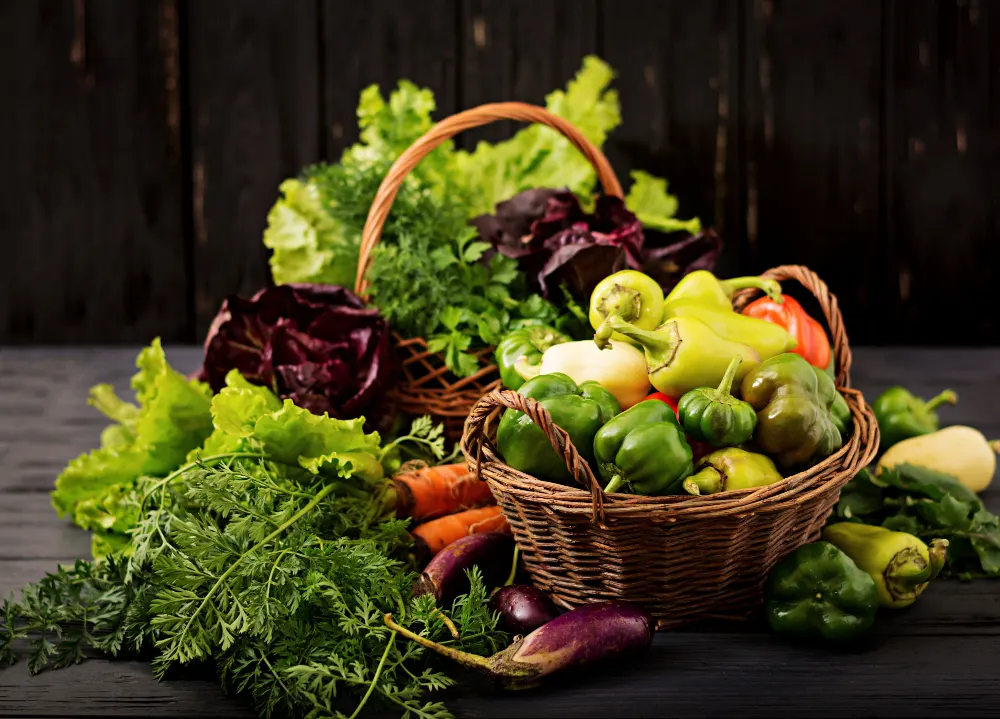
Vegetables: The Most Powerful Medicine on Your Plate
If there is one thing that virtually every nutrition scientist, cardiologist, oncologist, and longevity researcher agrees on — it is this: eating more vegetables is one of the single most impactful things you can do for your health. Yet most people eat far fewer than the recommended amount. The health benefits of eating vegetables daily are not minor or marginal — they are profound, wide-ranging, and backed by decades of consistent scientific evidence. This guide breaks down exactly what vegetables do for your body, which ones to prioritize, and why making them the foundation of your diet could add years to your life.
📋 Table of Contents
- Why Vegetables Are Essential for Human Health
- Vegetables and Heart Health
- Vegetables and Cancer Prevention
- Vegetables That Strengthen Your Immune System
- Vegetables for Gut Health and Digestion
- Vegetables for Weight Loss and Blood Sugar Control
- Vegetables for Brain Health and Mental Wellbeing
- Vegetables for Skin, Bones, and Healthy Aging
- The Most Nutrient-Dense Vegetables and Their Benefits
- Practical Tips to Eat More Vegetables Every Day
- Frequently Asked Questions
Why Vegetables Are Essential for Human Health
Imagine a single food category that simultaneously lowers your risk of heart disease, cancer, diabetes, dementia, obesity, depression, and premature death — while also improving your skin, energy levels, gut health, and immune function. That food category exists. It is vegetables — and most people are not eating nearly enough of them.
The World Health Organization recommends a minimum of 400g of fruits and vegetables per day — roughly 5 servings. Yet global surveys consistently show that the majority of adults fall significantly short of this target. In many countries, fewer than 1 in 10 adults meet the recommended daily vegetable intake.
What makes vegetables so uniquely powerful? It is not any single nutrient — it is the extraordinary combination of fiber, vitamins, minerals, antioxidants, and phytochemicals that work together in ways no supplement can replicate. These compounds interact with your cells, your gut microbiome, your immune system, and your DNA in ways that reduce inflammation, neutralize free radicals, support cellular repair, and regulate gene expression linked to disease and aging.
A landmark study published in the International Journal of Epidemiology analyzed data from 95 studies and over 2 million people. It found that eating 10 servings of fruits and vegetables per day was associated with a 24% reduced risk of heart disease, a 33% reduced risk of stroke, a 28% reduced risk of cardiovascular disease, a 13% reduced risk of cancer, and a 31% reduction in premature death. Every extra serving counts.
Vegetables and Heart Health
Cardiovascular disease remains the leading cause of death worldwide — and diet is one of the most modifiable risk factors. The health benefits of eating vegetables daily for the heart are among the most extensively researched and consistently confirmed findings in all of nutritional science.
Vegetables support heart health through multiple mechanisms working simultaneously. Potassium-rich vegetables — such as spinach, sweet potatoes, and tomatoes — help lower blood pressure by counteracting the effects of sodium and relaxing blood vessel walls. Nitrate-rich vegetables — particularly beetroot, leafy greens, and celery — are converted in the body to nitric oxide, which dilates blood vessels and improves blood flow.
The soluble fiber in vegetables like carrots, Brussels sprouts, and broccoli binds to LDL cholesterol in the digestive tract and removes it from the body before it can be absorbed — directly lowering blood cholesterol levels. And the powerful antioxidants in colorful vegetables — including flavonoids, carotenoids, and polyphenols — reduce oxidative damage to artery walls, one of the primary drivers of atherosclerosis (arterial plaque buildup).
Research shows that people who eat the most vegetables have a 15–30% lower risk of heart disease compared to those who eat the least — a reduction comparable in magnitude to many pharmaceutical interventions, achieved through diet alone.
Vegetables and Cancer Prevention
The relationship between vegetable consumption and cancer prevention is one of the most compelling in nutritional oncology. While no single food prevents cancer outright, the evidence that high vegetable intake meaningfully reduces cancer risk across multiple cancer types is substantial and consistent.
Cruciferous Vegetables — Nature’s Most Potent Cancer Fighters
The cruciferous vegetable family — including broccoli, cauliflower, cabbage, Brussels sprouts, kale, and bok choy — contains a remarkable group of sulfur-containing compounds called glucosinolates. When these vegetables are chewed or chopped, glucosinolates are converted into biologically active compounds including sulforaphane and indole-3-carbinol — which have demonstrated anti-cancer properties in hundreds of laboratory and clinical studies.
These compounds work through multiple anti-cancer mechanisms: they activate detoxification enzymes that neutralize carcinogens, inhibit tumor cell growth, promote apoptosis (programmed death of abnormal cells), and reduce inflammation that drives cancer progression. Studies consistently link high cruciferous vegetable consumption with reduced risks of colorectal, breast, lung, prostate, and bladder cancers.
Lycopene — The Tomato’s Secret Weapon
Tomatoes are rich in lycopene — a carotenoid antioxidant that gives tomatoes their red color and has been extensively studied for its cancer-protective properties. Research particularly links high lycopene intake with a reduced risk of prostate cancer — with some studies showing up to a 35% reduction in risk among men with the highest lycopene intake. Interestingly, lycopene is more bioavailable from cooked tomatoes (tomato sauce, paste) than raw ones — one of the cases where cooking actually enhances a vegetable’s nutritional value.
Vegetables That Strengthen Your Immune System
Your immune system is only as strong as the nutritional environment you create for it. Vegetables provide several of the most critical nutrients for immune function — in their most bioavailable, synergistic natural forms.
- Vitamin C (bell peppers, broccoli, kale, Brussels sprouts) — essential for the production and function of white blood cells; a single red bell pepper contains more than twice the Vitamin C of an orange
- Beta-carotene / Vitamin A (carrots, sweet potatoes, spinach, kale) — critical for maintaining the integrity of mucosal barriers in the respiratory and digestive tracts — the first line of defense against pathogens
- Zinc (peas, spinach, asparagus) — essential for immune cell development and inflammatory response regulation
- Folate (leafy greens, asparagus, Brussels sprouts) — required for DNA repair in immune cells and production of new immune cells
- Prebiotic fiber (garlic, onions, leeks, asparagus, artichokes) — feeds beneficial gut bacteria that produce short-chain fatty acids, directly modulating immune function
- Allicin (garlic, onions) — potent antimicrobial and antiviral compound; research shows regular garlic consumption reduces the frequency and severity of common colds
Vegetables for Gut Health and Digestion
A healthy gut is increasingly recognized as central to overall health — influencing not just digestion but immunity, mood, metabolism, and even brain function. Vegetables are the single most important dietary component for a thriving gut microbiome.
The dietary fiber in vegetables serves as the primary food source for the trillions of beneficial bacteria living in your large intestine. These bacteria ferment fiber into short-chain fatty acids (SCFAs) — particularly butyrate, propionate, and acetate — which nourish colon cells, reduce inflammation throughout the body, strengthen the gut barrier, and send regulatory signals to the immune system and brain.
A diet rich in diverse vegetables feeds a diverse microbiome — and microbiome diversity is one of the strongest markers of gut health and overall metabolic wellbeing. Research shows that eating 30 or more different plant foods per week (including vegetables, fruits, legumes, nuts, and grains) is associated with significantly greater microbiome diversity than eating fewer varieties.
Specific vegetables with particularly notable gut benefits include:
- Artichokes and chicory — exceptionally rich in inulin, a prebiotic fiber that selectively feeds Bifidobacteria
- Garlic and onions — powerful prebiotic effect; also contain antimicrobial compounds that help balance gut bacteria
- Asparagus — rich in both inulin and fructooligosaccharides (FOS), key prebiotic compounds
- Fermented vegetables (sauerkraut, kimchi) — contain live probiotic bacteria that directly add beneficial organisms to the gut
- Leafy greens — contain sulfoquinovose, a sugar that feeds a specific beneficial bacterium (Bacteroides thetaiotaomicron) linked to gut health
Vegetables for Weight Loss and Blood Sugar Control
For anyone managing their weight or blood sugar — whether for general health, diabetes prevention, or diabetes management — vegetables are the most powerful dietary tool available. Here’s why.
Most non-starchy vegetables are extraordinarily low in calories but high in volume and fiber — meaning they fill your stomach and satisfy hunger with minimal caloric cost. A large bowl of spinach, cucumber, and tomatoes contains fewer than 50 calories — yet provides significant satiety, hydration, and a rich array of micronutrients. This is the foundation of what researchers call “volumetric eating” — eating more food by weight while consuming fewer calories.
The soluble fiber in vegetables slows the absorption of glucose into the bloodstream — blunting blood sugar spikes after meals and reducing the insulin response. This is critically important for people with or at risk of type 2 diabetes, as chronic blood sugar spikes drive insulin resistance and progressive metabolic dysfunction.
| Vegetable | Calories per 100g | Fiber (g) | Glycemic Index |
|---|---|---|---|
| Spinach | 23 kcal | 2.2g | 15 (Very Low) |
| Broccoli | 34 kcal | 2.6g | 15 (Very Low) |
| Cucumber | 15 kcal | 0.5g | 15 (Very Low) |
| Carrot | 41 kcal | 2.8g | 35 (Low) |
| Bell Pepper | 31 kcal | 2.1g | 15 (Very Low) |
| Cauliflower | 25 kcal | 2.0g | 15 (Very Low) |
| Sweet Potato | 86 kcal | 3.0g | 44 (Low-Medium) |
Vegetables for Brain Health and Mental Wellbeing
The connection between what you eat and how your brain functions is one of the most exciting frontiers of modern neuroscience — and vegetables sit at the heart of brain-protective nutrition.
Protecting Against Cognitive Decline
A landmark Harvard study following over 13,000 women for 20 years found that those who ate the most leafy green and cruciferous vegetables had significantly less cognitive decline with aging — equivalent to being 1–2 years younger cognitively than women who ate the least. The key nutrients driving this protection include vitamin K, folate, lutein, beta-carotene, and kaempferol — all found in abundance in dark green vegetables like kale, spinach, and broccoli.
Vegetables and Depression
The gut-brain axis — the bidirectional communication system between your gut microbiome and your brain — is increasingly recognized as central to mental health. Since vegetables are the primary food source for beneficial gut bacteria, a vegetable-rich diet directly supports the production of neurotransmitters including serotonin (95% of which is produced in the gut), dopamine, and GABA — all of which regulate mood, anxiety, and emotional wellbeing.
Multiple large observational studies have found that higher vegetable intake is independently associated with lower rates of depression and anxiety. While cause and effect are complex, the biological mechanisms — through the gut-brain axis, reduced neuroinflammation, and better micronutrient status — are increasingly well understood.
Global health surveys consistently show that fewer than 10% of adults meet the recommended daily intake of vegetables. The consequences are real: inadequate vegetable consumption is estimated to cause approximately 1.8 million deaths per year from cardiovascular disease and cancer alone. If there is one dietary change most people could make that would have the greatest impact on their long-term health, eating more vegetables is almost certainly it.
Vegetables for Skin, Bones, and Healthy Aging
Glowing Skin From the Inside Out
The skin reflects what happens inside the body — and vegetable-rich diets produce measurable improvements in skin health and appearance. Beta-carotene (from orange and yellow vegetables like carrots, sweet potatoes, and squash) accumulates in the skin and provides a natural protection against UV damage while imparting a healthy, warm skin tone that studies show is perceived as more attractive than a tan.
Vitamin C from vegetables is essential for collagen synthesis — the structural protein that keeps skin firm, smooth, and youthful. As we age and collagen production naturally declines, adequate Vitamin C intake from vegetables directly supports the skin’s ability to maintain structural integrity and resilience.
Strong Bones Beyond Dairy
While dairy products are traditionally associated with bone health, vegetables provide several critical bone-supporting nutrients that are often overlooked. Vitamin K — found in high concentrations in kale, spinach, broccoli, and Brussels sprouts — is essential for bone mineralization and activates proteins that regulate calcium deposition in bones. Magnesium (spinach, Swiss chard, edamame) and calcium (kale, bok choy, broccoli) also contribute directly to bone density. Research suggests that people who eat the most vegetables have significantly higher bone mineral density and lower fracture risk as they age.
The Most Nutrient-Dense Vegetables and Their Benefits
| Vegetable | Key Nutrients | Top Health Benefits |
|---|---|---|
| Spinach | Iron, folate, Vitamin K, magnesium, lutein | Eye health, bone density, energy, brain protection |
| Broccoli | Sulforaphane, Vitamin C, K, folate, fiber | Cancer protection, detoxification, heart health |
| Kale | Vitamins A, C, K, calcium, antioxidants | Bone health, immunity, skin, anti-inflammation |
| Sweet Potato | Beta-carotene, potassium, Vitamin B6, fiber | Eye health, blood sugar control, heart health |
| Garlic | Allicin, selenium, Vitamin C, B6, manganese | Immunity, blood pressure, antibacterial, heart |
| Carrots | Beta-carotene, Vitamin K, potassium, fiber | Eye health, skin, immunity, cancer protection |
| Bell Peppers | Vitamin C (200%+ DV), B6, folate, antioxidants | Immunity, collagen, eye health, anti-inflammation |
| Beetroot | Nitrates, folate, manganese, iron, betalains | Blood pressure, athletic performance, liver health |
Practical Tips to Eat More Vegetables Every Day
Knowing vegetables are healthy is one thing — consistently eating enough of them is another. Here are the most practical, evidence-backed strategies for genuinely increasing your daily vegetable intake without turning every meal into a chore.
- Make vegetables the largest portion on your plate — aim for half your plate to be vegetables at lunch and dinner; this simple visual rule transforms the nutritional profile of every meal
- Add vegetables to foods you already love — spinach in smoothies, grated zucchini in pasta sauce, cauliflower in rice dishes, kale in soups; the flavors blend and the nutrition multiplies
- Prep vegetables in advance — wash, chop, and store vegetables on Sunday so they are ready to grab throughout the week; the biggest barrier to eating vegetables is inconvenience
- Eat vegetables as snacks — carrot sticks, cucumber slices, celery with hummus, and cherry tomatoes are more satisfying than most packaged snacks and infinitely more nutritious
- Start meals with a vegetable-based starter — a simple green salad or vegetable soup before your main course naturally reduces overall calorie intake while increasing vegetable consumption
- Try different cooking methods — roasting transforms even vegetables you don’t enjoy raw; roasted broccoli, caramelized onions, and baked sweet potato are deeply flavorful and satisfying
- Aim for color variety — different colors represent different phytochemicals; eating a rainbow of vegetables maximizes the breadth of nutritional benefits you receive
Frequently Asked Questions
❓ How many servings of vegetables should I eat per day?
The World Health Organization recommends a minimum of 400g of fruits and vegetables combined per day — roughly 5 servings. However, research consistently shows that higher intakes (up to 10 servings per day) are associated with progressively greater health benefits. For most people, aiming for at least 3–5 servings of vegetables specifically each day is a realistic and meaningful target. A serving is approximately one cup of raw leafy greens, half a cup of other vegetables (raw or cooked), or one medium tomato or carrot.
❓ Are cooked vegetables as nutritious as raw?
It depends on the vegetable and cooking method. Some nutrients — particularly water-soluble vitamins like Vitamin C and folate — are reduced by heat and water-based cooking. However, cooking actually increases the bioavailability of many other nutrients: lycopene in tomatoes, beta-carotene in carrots and sweet potatoes, and the anti-cancer compounds in cruciferous vegetables are all more available after light cooking. Gentle cooking methods (steaming, roasting, stir-frying) preserve more nutrients than boiling. The best approach is to eat a mix of raw and cooked vegetables regularly.
❓ Which vegetables are best for weight loss?
The best vegetables for weight loss are those that are high in fiber and volume but very low in calories — allowing you to eat satisfying amounts without excess caloric intake. Top choices include leafy greens (spinach, kale, lettuce), cucumber, zucchini, celery, broccoli, cauliflower, cabbage, and bell peppers. These vegetables create significant satiety while contributing very few calories. Adding a lean protein source alongside these vegetables further enhances the hunger-suppressing effect — making them the cornerstone of any evidence-based weight loss eating plan.
❓ Can eating more vegetables improve my skin?
Yes — the evidence for diet’s impact on skin health is compelling. Beta-carotene-rich vegetables (carrots, sweet potatoes, squash) accumulate in skin and provide natural photoprotection while contributing to a healthy skin tone. Vitamin C-rich vegetables (bell peppers, broccoli, kale) are essential for collagen production — directly supporting skin firmness and reducing the appearance of fine lines. The antioxidants in colorful vegetables neutralize free radicals that accelerate skin aging. And by supporting gut health, vegetables indirectly improve inflammatory skin conditions including acne, eczema, and rosacea.
❓ Do frozen vegetables have the same health benefits as fresh?
Yes — and in some cases, frozen vegetables may actually be more nutritious than “fresh” vegetables that have spent several days in transport and storage. Vegetables destined for freezing are typically harvested at peak ripeness and flash-frozen within hours — locking in their nutritional content at its highest point. Studies comparing fresh versus frozen show similar or sometimes superior nutrient retention in frozen varieties. Frozen vegetables are also more affordable, more convenient, and produce less food waste — making them an excellent and fully valid choice for meeting your daily vegetable intake goals.
🥗 Start Small. Eat More Color. Live Longer.
The health benefits of eating vegetables daily are not subtle — they are transformative. A diet rich in diverse, colorful vegetables reduces your risk of the world’s deadliest diseases, supports your mental health, keeps your gut thriving, protects your brain as you age, and nourishes the skin you live in. No supplement, no superfood powder, and no pharmaceutical can replicate what a plate full of real vegetables delivers to your body every single day.
You don’t need to overhaul your entire diet overnight. Start with one extra serving of vegetables at dinner tonight. Add spinach to tomorrow’s breakfast. Swap an afternoon snack for carrot sticks and hummus. Small, consistent steps compound into extraordinary long-term results.
Your body was designed to thrive on plants. Give it what it needs — and it will reward you with energy, resilience, and years of good health. 💚
Medical Disclaimer: The information provided in this article is intended for general educational and informational purposes only and does not constitute medical advice, diagnosis, or treatment. While vegetables are beneficial for most people, individuals with specific health conditions — including kidney disease (which may require limiting high-potassium or high-oxalate vegetables), thyroid disorders, or those taking blood-thinning medications (which interact with high Vitamin K vegetables) — should consult a qualified healthcare provider or registered dietitian before making significant dietary changes. BestInMeds.com does not endorse any specific diet plan, supplement, or treatment protocol.