
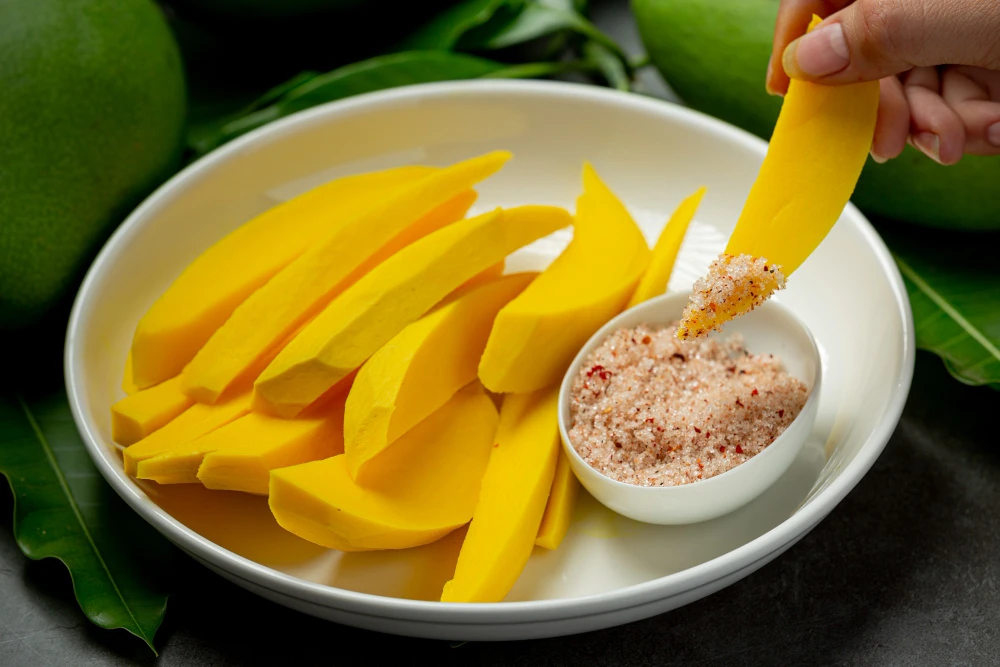
The King of Fruits Has Been Quietly Protecting Your Health All Along
Every summer, billions of people reach for a ripe, golden mango — not because science told them to, but because nothing else tastes quite like it. But behind that extraordinary sweetness lies something even more remarkable: a nutritional profile so rich and diverse that researchers around the world are still discovering new ways mangoes protect, heal, and nourish the human body. Understanding the real health benefits of mango for body and skin will make every bite feel like both a pleasure and a privilege.
📋 Table of Contents
- → Mango Nutrition: What’s Inside One Cup?
- → Mango for a Stronger Immune System
- → Mango for Gut Health and Digestion
- → Mango for Glowing Skin and Anti-Aging
- → Mango for Eye Health and Vision
- → Mango for Heart Health
- → Mango for Brain Health and Memory
- → Mango and Cancer Prevention
- → Mango for Weight Management
- → Can Diabetics Eat Mango?
- → Mango During Pregnancy
- → Raw Mango vs Ripe Mango: Which Is Better?
- → How Much Mango Should You Eat Per Day?
- → Frequently Asked Questions
Mango Nutrition: What’s Inside One Cup?
Mango — Mangifera indica — has been cultivated in South Asia for over 4,000 years and is today the most consumed tropical fruit on the planet. It is the national fruit of India, Pakistan, and the Philippines — and for good reason. One cup (165g) of fresh mango delivers a stunning array of vitamins, minerals, antioxidants, and bioactive compounds that place it firmly among the most nutritionally complete fruits available.
What makes mango particularly special is not any single nutrient — it is the extraordinary diversity of health-protective compounds packed into every serving. Mangoes contain over 20 different vitamins and minerals, dozens of polyphenolic antioxidants, unique enzymes, and bioactive compounds found in very few other fruits.
| Nutrient | Amount per Cup (165g) | % Daily Value |
|---|---|---|
| Calories | 99 kcal | 5% |
| Vitamin C | 60mg | 67% |
| Vitamin A (from beta-carotene) | 89mcg RAE | 10% |
| Folate (B9) | 71mcg | 18% |
| Vitamin B6 | 0.2mg | 12% |
| Vitamin E | 1.5mg | 10% |
| Vitamin K | 6.9mcg | 6% |
| Potassium | 277mg | 6% |
| Dietary Fiber | 2.6g | 9% |
| Mangiferin (unique antioxidant) | Significant amounts | — |
Beyond these key nutrients, mangoes are rich in powerful antioxidants including quercetin, kaempferol, rhamnetin, beta-carotene, zeaxanthin, and most uniquely — mangiferin — a bioactive compound found almost exclusively in mangoes that is the subject of intense scientific research for its anti-inflammatory, antidiabetic, and anticancer properties.
Mango for a Stronger Immune System
If there is one area where mango’s nutritional profile truly shines — it is immune support. A single cup of mango delivers 67% of your daily Vitamin C requirement — making it one of the most practical and delicious ways to meet this critical immune nutrient’s daily target.
Vitamin C is not just a cold remedy — it is a fundamental pillar of immune architecture. It stimulates the production and function of neutrophils, lymphocytes, and natural killer cells — the immune system’s primary fighting forces. It also acts as a powerful antioxidant within immune cells themselves, protecting them from the oxidative stress generated during active infection.
The Vitamin A Connection
Mango’s beta-carotene — converted to Vitamin A in the body — plays an equally critical immune role. Vitamin A maintains the integrity of epithelial barriers — the skin, mucous membranes, and respiratory lining that form the body’s first line of defense against pathogens. Without adequate Vitamin A, these barriers weaken — allowing infectious agents easier entry into the body.
Additionally, the unique mangiferin compound in mangoes has demonstrated direct antiviral and antibacterial properties in laboratory studies — inhibiting the replication of several viruses and suppressing the growth of pathogenic bacteria. While human clinical trials are still ongoing, the early science is genuinely compelling.
Mango for Gut Health and Digestion
Mangoes have been used in traditional medicine across Asia for centuries as a digestive aid — and modern science has confirmed the biological basis for this ancient wisdom. Mango contributes to gut health through multiple simultaneous mechanisms that together make it one of the most genuinely digestive-supportive fruits available.
Amylase Enzymes
Mangoes — particularly ripe ones — are rich in amylase enzymes that help break down complex carbohydrates (starches) into simpler sugars that the body can more easily absorb. These natural digestive enzymes enhance carbohydrate digestion and reduce the digestive burden — particularly beneficial after large meals. This is why many traditional cuisines incorporate mango as a post-meal digestive.
Dietary Fiber and Gut Motility
With 2.6 grams of fiber per cup — from both soluble and insoluble sources — mango supports healthy bowel regularity, prevents constipation, and feeds the beneficial bacteria of the gut microbiome. A clinical study published in Molecular Nutrition and Food Research found that consuming mango daily for four weeks significantly improved chronic constipation more effectively than an equivalent amount of fiber supplement — suggesting that mango’s full matrix of bioactive compounds (not just fiber alone) drives its digestive benefits.
Prebiotic Effect
The polyphenols and fiber in mango act as powerful prebiotics — selectively feeding beneficial gut bacteria including Bifidobacterium and Lactobacillus strains. A flourishing gut microbiome improves not just digestion but also immune function, mood, metabolic health, and even skin quality — making mango’s gut benefits far-reaching and systemic.
💡 Did You Know?
Mango leaves — not just the fruit — have a long history of medicinal use in Ayurvedic and traditional African medicine for digestive complaints, diabetes management, and respiratory conditions. Modern research is beginning to validate some of these uses, particularly the role of mango leaf extracts in improving insulin sensitivity and reducing post-meal blood glucose spikes. While mango leaves are not commonly consumed in Western diets, mango leaf tea is a traditional preparation in parts of Asia and Africa.
Mango for Glowing Skin and Anti-Aging
The health benefits of mango for body and skin are perhaps most visibly apparent in the skin — where the combination of Vitamin C, Vitamin A, Vitamin E, and potent antioxidants produces effects that rival expensive skincare formulations. The key difference: mango works from the inside out — addressing the root causes of skin aging and damage rather than simply masking their appearance.
Vitamin C and Collagen Synthesis
Vitamin C is the essential co-factor for collagen synthesis — without it, the enzyme prolyl hydroxylase cannot stabilize the collagen triple helix structure that gives skin its firmness and elasticity. With 67% of the daily Vitamin C requirement per cup, regular mango consumption meaningfully supports ongoing collagen production — helping maintain skin firmness, reduce fine lines, and accelerate wound healing.
Beta-Carotene as a Natural Skin Protector
The beta-carotene that gives mango its golden color accumulates in skin tissue and provides measurable protection against UV-induced oxidative damage. It also promotes skin cell turnover — reducing the buildup of dead skin cells that leads to dullness, uneven tone, and clogged pores. Regular consumption of beta-carotene-rich foods like mango is associated with a warmer, healthier-looking complexion — the same “carotenoid glow” seen with consistent carrot consumption.
Antioxidants Against Skin Aging
The polyphenolic antioxidants in mango — particularly quercetin, mangiferin, and gallic acid — neutralize the free radicals that drive oxidative skin aging. Free radicals generated by UV exposure, pollution, and metabolic processes break down collagen, damage DNA in skin cells, and accelerate the visible signs of aging. Mangoes’ antioxidant armory provides a meaningful dietary defense against this process.
Mango for Acne-Prone Skin
The Vitamin A in mango regulates sebum production and promotes healthy skin cell turnover — two of the most important factors in preventing and managing acne. Applied topically, mango extract has shown anti-inflammatory effects on acne lesions in early research. But the internal benefit from regularly eating mango — providing the building blocks for healthy skin cell renewal — is equally valuable.
Mango for Eye Health and Vision
Mango is one of the most eye-friendly fruits available — delivering three distinct vision-protective nutrients in every serving that work through different but complementary mechanisms.
- Beta-carotene → Vitamin A — Essential for producing rhodopsin, the light-sensitive pigment that enables vision in dim light. Vitamin A deficiency causes night blindness — and mango is one of the most accessible and enjoyable dietary sources of beta-carotene for populations at risk.
- Lutein and Zeaxanthin — These carotenoids accumulate specifically in the macula of the retina — the area responsible for central, detailed vision. They act as natural internal sunglasses, filtering harmful blue light and reducing the risk of age-related macular degeneration (AMD) and cataracts.
- Vitamin C — Concentrated in the lens of the eye; protects against oxidative damage that drives cataract formation. People with high dietary Vitamin C intake have measurably lower cataract rates than those with low intake.
Research published in the Journal of the Academy of Nutrition and Dietetics found that regular mango consumption significantly increased blood levels of both lutein and zeaxanthin — demonstrating that the eye-protective carotenoids in mango are efficiently absorbed and distributed to ocular tissues.
Mango for Heart Health
Despite its sweetness, mango makes a genuinely meaningful contribution to cardiovascular health — through a combination of nutrients and bioactive compounds that address multiple heart disease risk factors simultaneously.
Mangiferin and Cholesterol
Mangiferin — mango’s signature bioactive compound — has demonstrated the ability to lower LDL (“bad”) cholesterol and raise HDL (“good”) cholesterol in animal studies. It achieves this partly by inhibiting fat absorption in the gut and partly by modulating liver lipid metabolism. Human clinical trials are confirming these effects, with one study showing that mango consumption for 12 weeks produced measurable improvements in lipid profiles.
Potassium for Blood Pressure
Mangoes provide a meaningful amount of potassium — the mineral that counteracts sodium’s blood-pressure-raising effects by relaxing arterial walls and promoting sodium excretion through the kidneys. Regular potassium-rich fruit consumption — including mango — is consistently associated with lower blood pressure and reduced stroke risk in large population studies.
Anti-Inflammatory Protection
Chronic low-grade inflammation is now recognized as a primary driver of atherosclerosis — the arterial plaques that cause heart attacks and strokes. The polyphenolic antioxidants in mango — particularly quercetin, gallic acid, and mangiferin — directly suppress key inflammatory pathways including NF-κB, reducing the chronic vascular inflammation that promotes plaque formation and arterial stiffness.
Mango for Brain Health and Memory
The brain benefits of mango are increasingly recognized by nutritional neuroscientists — and they are more substantial than most people realize.
Vitamin B6 and Neurotransmitter Production
Mango is a good source of Vitamin B6 — essential for synthesizing key neurotransmitters including serotonin, dopamine, and GABA. These chemical messengers regulate mood, sleep, focus, anxiety, and cognitive performance. Adequate Vitamin B6 intake is associated with better mood stability, reduced risk of depression, and improved cognitive function across all age groups.
Folate for Neural Health
With 18% of the daily folate requirement per cup, mango contributes meaningfully to homocysteine metabolism — reducing circulating homocysteine levels that, when elevated, damage blood vessel walls and increase dementia risk. Folate also supports DNA synthesis and repair in rapidly dividing neurons — essential for ongoing brain maintenance throughout life.
Mangiferin and Neuroprotection
Emerging research on mangiferin’s neurological effects is particularly exciting. Studies in animal models show that mangiferin crosses the blood-brain barrier and demonstrates significant neuroprotective effects — reducing amyloid plaque formation (associated with Alzheimer’s disease), protecting dopaminergic neurons (relevant to Parkinson’s disease), and reducing neuroinflammation. Human trials are in early stages — but the mechanistic evidence is compelling.
Mango and Cancer Prevention
The anticancer potential of mango is one of the most actively researched areas of mango science — and the evidence is generating genuine scientific excitement. Multiple compounds in mango appear to inhibit cancer cell growth through distinct mechanisms.
- Mangiferin — Has demonstrated the ability to induce apoptosis (programmed cell death) in cancer cells — including breast, colon, lung, and leukemia cell lines — while leaving normal cells unaffected in laboratory studies
- Lupeol — A triterpene compound in mango that inhibits cancer cell proliferation and has shown particular activity against pancreatic and skin cancer cells
- Quercetin and Fisetin — Flavonoids in mango with documented anti-proliferative effects on multiple cancer cell types
- Gallic acid — Shown to trigger cancer cell death through mitochondrial pathways in prostate and lung cancer cell lines
- Beta-carotene — As a precursor to Vitamin A; high dietary carotenoid intake is consistently associated with reduced risk of lung, colorectal, and other cancers in epidemiological studies
⚠️ Important Note
While the laboratory and epidemiological evidence linking mango consumption to cancer risk reduction is promising, mango is not a cancer treatment or cure. Cancer is a complex disease requiring professional medical management. The potential anticancer benefits of mango work as part of an overall healthy, plant-rich diet — not as a standalone intervention. Always follow evidence-based cancer screening recommendations and consult qualified oncologists regarding cancer prevention and treatment.
Mango for Weight Management
Many people avoid mango during weight loss — fearing its sweetness and caloric content. But the science tells a more nuanced and ultimately encouraging story. When consumed in appropriate portions as part of a balanced diet, mango actually supports rather than hinders healthy weight management.
- High water content (~83%) — Mango is predominantly water, which creates volume and fullness without significant caloric load
- Fiber-driven satiety — The 2.6g of fiber per cup slows digestion, delays gastric emptying, and suppresses hunger hormones — reducing overall appetite and calorie intake at subsequent meals
- Low energy density — At just 99 calories per cup, mango provides substantial volume and satiety value relative to its caloric content
- Blood sugar modulation — Despite its sweetness, mango has a moderate glycemic index of 51 — fiber slows glucose absorption and prevents the sharp blood sugar spikes that drive hunger and fat storage
- Lupeol and fat metabolism — Emerging research suggests that lupeol in mango may inhibit adipogenesis (fat cell formation) and improve fat metabolism — though human evidence is still developing
A study published in Nutrition and Metabolic Insights found that participants who included mango in a calorie-controlled diet did not gain weight compared to controls — and showed improvements in blood glucose and inflammatory markers. The key, as always, is portion control — one cup per day within a balanced diet is the evidence-backed approach.
Can Diabetics Eat Mango?
This is one of the most frequently asked questions about mango — and the answer is more nuanced than a simple yes or no. Mango contains natural sugars (approximately 23g per cup) — and for this reason, many diabetics avoid it entirely. But this avoidance may be unnecessarily restrictive.
Mango has a moderate glycemic index (GI) of approximately 51 — lower than white bread (GI 73), white rice (GI 64), and many breakfast cereals. The fiber in mango significantly slows glucose absorption, blunting blood sugar impact. Additionally, mangiferin has demonstrated direct antidiabetic properties — improving insulin sensitivity, reducing post-meal glucose spikes, and inhibiting enzymes that break down dietary starch.
The practical guidance for diabetics:
- Limit to ½ cup (about half a mango) per serving — smaller portions minimize blood sugar impact
- Pair with protein or healthy fat — eating mango with yogurt, nuts, or a protein source further slows glucose absorption
- Choose slightly underripe mangoes — lower sugar content than fully ripe varieties
- Monitor blood glucose after eating mango to understand your individual response
- Always follow your healthcare provider’s or dietitian’s specific dietary guidance for your individual situation
Mango During Pregnancy
Mango is an excellent food choice during pregnancy — providing several nutrients that are particularly critical during fetal development:
- Folate (18% DV per cup) — Essential for preventing neural tube defects in the developing fetus; critical particularly in the first trimester when neural tube closure occurs
- Vitamin C — Supports collagen formation in the growing fetus and enhances iron absorption — critical given the high iron demands of pregnancy
- Vitamin A — Essential for fetal eye, lung, and immune system development
- Iron absorption enhancement — Mango’s Vitamin C dramatically improves the absorption of non-heme iron from plant sources — particularly valuable for pregnant women who rely on plant-based iron
- Natural digestive support — Mango’s fiber and enzymes help manage the constipation that affects up to 40% of pregnant women
Pregnant women should consume mango in moderate amounts — one cup per day is generally considered safe and beneficial. Excessive consumption should be avoided due to the high natural sugar content. Raw or unripe mango in large quantities should also be approached cautiously — though small amounts as part of balanced meals are generally fine.
Raw Mango vs Ripe Mango: Which Is Better?
Both raw and ripe mangoes have unique nutritional profiles and health benefits — and the optimal choice depends on what you’re looking to support.
| Aspect | Raw (Green) Mango | Ripe Mango |
|---|---|---|
| Vitamin C | Higher — raw mangoes contain significantly more Vitamin C | Lower — some Vitamin C lost as fruit ripens |
| Beta-carotene | Lower | Higher — beta-carotene increases dramatically as fruit ripens |
| Sugar content | Lower — better for blood sugar management | Higher — sweeter; more impact on blood glucose |
| Digestive enzymes | Lower amylase activity | Higher — more active digestive enzymes |
| Taste | Sour, tangy — used in chutneys and salads | Sweet — eaten fresh or in desserts |
| Best for | Vitamin C boost, diabetics, weight management | Eye health, skin, immunity, general nutrition |
The verdict: Both forms are nutritionally valuable — incorporating both raw and ripe mango throughout the season gives you the broadest spectrum of mango’s health benefits. Diabetics and those watching blood sugar should lean toward raw mango or smaller portions of ripe mango.
How Much Mango Should You Eat Per Day?
For most healthy adults, one cup (approximately 165g or roughly half a large mango) per day is the sweet spot for capturing mango’s health benefits without excessive sugar intake. This serving delivers nearly 70% of daily Vitamin C, meaningful beta-carotene, folate, and fiber — all within a modest 99 calories.
| Group | Recommended Daily Amount | Notes |
|---|---|---|
| Healthy adults | 1 cup (165g) per day | Safe and highly beneficial daily |
| Children (4–12 years) | ½ to 1 cup per day | Excellent source of vitamins for growing children |
| Pregnant women | 1 cup per day | Excellent folate and Vitamin C source |
| Type 2 diabetics | ½ cup per serving | Monitor blood glucose; pair with protein |
| Weight loss | 1 cup per day as part of calorie-controlled diet | Replace processed snacks rather than adding to existing diet |
Frequently Asked Questions
Is mango good for weight loss or does it cause weight gain?
When eaten in appropriate portions — one cup per day — mango supports rather than hinders weight management. Its high fiber content promotes satiety, its high water content creates volume without excess calories, and its moderate glycemic index prevents blood sugar spikes that drive cravings. Clinical research shows that including mango in a calorie-controlled diet does not cause weight gain. The key is portion control and replacing processed snacks with mango — not simply adding extra calories to your diet.
What is the best time to eat mango?
The best time to eat mango is as a mid-morning or afternoon snack — between meals — when its natural sugars provide sustained energy without disrupting blood glucose balance. Eating mango as dessert after a protein-rich meal also works well — the protein slows sugar absorption. Avoid eating mango immediately before bed — its sugar content is better metabolized when you are physically active. Most importantly, consistency matters more than timing — enjoy mango regularly as part of a balanced diet.
Can mango cause allergies?
Yes — mango allergy, while not extremely common, does occur. Mango belongs to the same botanical family (Anacardiaceae) as poison ivy and cashews — and people allergic to these plants may experience cross-reactive allergic reactions to mango. The skin of the mango contains urushiol — the same compound responsible for poison ivy rash — and contact dermatitis from handling mango skin is more common than true oral allergy. Peeling mango before eating (or having someone else peel it) eliminates the skin contact risk. True mango fruit allergy causing systemic reactions is less common but does occur — consult an allergist if you experience hives, swelling, or respiratory symptoms after eating mango.
Is dried mango as healthy as fresh mango?
Dried mango retains many of mango’s vitamins, minerals, and antioxidants — but with critical differences. The dehydration process concentrates natural sugars dramatically — dried mango can contain 3 to 4 times more sugar per gram than fresh mango. Many commercial dried mango products also contain added sugar and preservatives. Vitamin C is significantly reduced by the drying process. Fresh mango is nutritionally superior — but unsweetened dried mango in very small quantities (1–2 pieces) can be a convenient source of some mango nutrients when fresh is unavailable.
Does mango help with constipation?
Yes — mango is one of the most effective fruits for relieving constipation. A clinical study found that daily mango consumption was more effective at improving chronic constipation than an equivalent fiber supplement — suggesting that mango’s unique combination of fiber, digestive enzymes, water content, and bioactive polyphenols works synergistically to promote bowel regularity. The amylase enzymes in ripe mango aid overall digestion, while the fiber feeds gut bacteria and adds bulk to stool. For best results, eat mango alongside adequate water intake throughout the day.
Is mango good for hair growth?
Yes — the health benefits of mango for body and skin extend to hair health through several nutrient pathways. Vitamin C in mango supports collagen production — essential for the structure of hair follicles. Vitamin A promotes sebum production that moisturizes the scalp. Vitamin E protects hair follicle cells from oxidative damage. Folate and B6 support the cellular metabolism of rapidly dividing hair follicle cells. While mango alone cannot reverse genetic hair loss, its nutritional contribution to overall hair follicle health is meaningful and well-supported by the underlying nutritional science.
The King of Fruits Earns Its Crown Every Single Day
Mango has been beloved across cultures and centuries — not just for its extraordinary flavor, but because generations of people intuitively understood that this fruit made them feel well. Modern nutritional science has now given us the molecular language to explain what those generations already knew intuitively.
The health benefits of mango for body and skin are real, diverse, and scientifically substantiated — from the Vitamin C that builds your immune defenses and skin collagen, to the beta-carotene that protects your eyes and skin, to the mangiferin that researchers are exploring for its remarkable range of protective properties.
One cup a day. Fresh, ripe, golden. Eat it with joy — and know that every bite is doing far more for your health than you ever imagined.
Medical Disclaimer: The information provided in this article is for general educational and informational purposes only and does not constitute medical advice, diagnosis, or treatment. While mango is a nutritious fruit with well-documented health benefits, it is not a substitute for professional medical care or prescribed treatment. People with diabetes, mango allergies, or specific medical conditions should consult a qualified healthcare provider or registered dietitian before making significant dietary changes. BestInMeds.com does not endorse any specific mango variety, product, or supplement.