
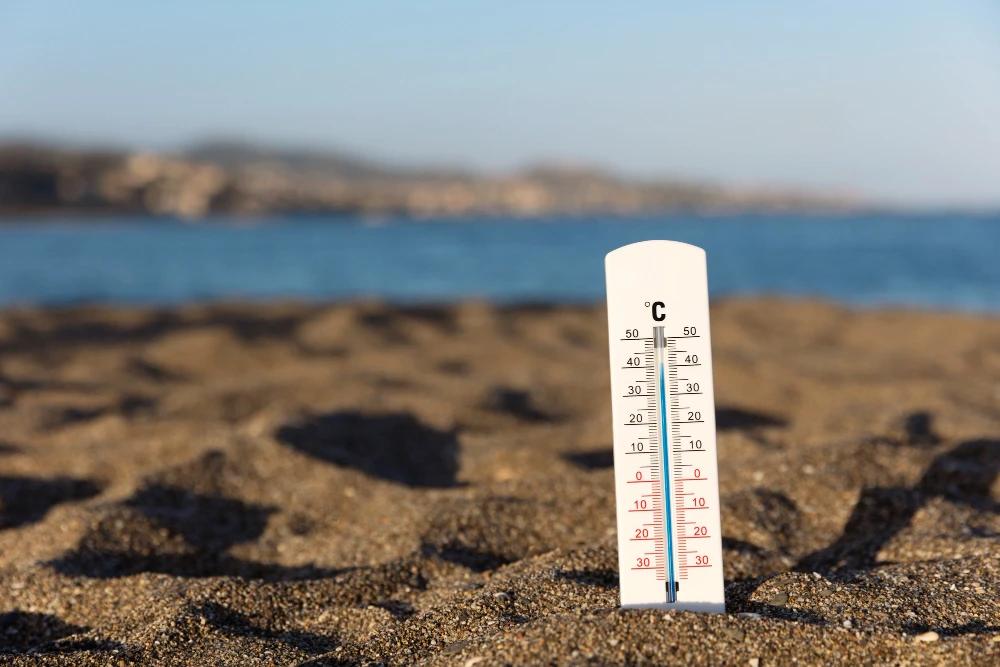
Heat Stroke Can Kill Within Hours Do You Know What to Do?
It’s a hot summer afternoon. Someone suddenly stops sweating, becomes confused, and collapses. Their skin is burning hot and dry. This is not just heat exhaustion this is a heat stroke, and it is a life-threatening emergency. Every minute without treatment increases the risk of permanent brain damage or death. Understanding heat stroke symptoms, causes, and emergency treatment could be the difference between life and death for someone you love.
📋 Table of Contents
- → What Is Heat Stroke?
- → Heat Stroke vs. Heat Exhaustion — Know the Difference
- → Heat Stroke Symptoms: Warning Signs You Must Recognize
- → What Causes Heat Stroke?
- → Who Is Most at Risk?
- → Dangerous Complications of Heat Stroke
- → Heat Stroke First Aid: What to Do Right Now
- → Hospital Treatment for Heat Stroke
- → How to Prevent Heat Stroke
- → Frequently Asked Questions
What Is Heat Stroke?
Heat stroke is the most severe form of heat-related illness — a medical emergency in which the body’s core temperature rises to 40°C (104°F) or above and the body’s natural cooling mechanisms completely fail. Unlike heat exhaustion, which is serious but manageable, heat stroke causes direct damage to the brain, heart, kidneys, and muscles — sometimes within minutes of onset.
According to the World Health Organization, heat-related deaths are increasing globally as climate change drives more frequent and intense heat waves. In the United States alone, heat kills more people every year than floods, hurricanes, and tornadoes combined. Heat stroke is responsible for approximately 600 deaths annually in the US — and tens of thousands worldwide.
Yet despite its severity, heat stroke is largely preventable — and when it does occur, rapid response dramatically improves survival outcomes. The challenge is that people often don’t recognize heat stroke until it has already progressed to a dangerous stage. That’s exactly why knowing the heat stroke symptoms, causes, and emergency treatment steps could save a life — possibly today.
Heat Stroke vs. Heat Exhaustion — Know the Difference
One of the most common and dangerous mistakes people make is confusing heat exhaustion with heat stroke. Both are serious — but heat stroke is a life-threatening emergency that requires immediate action, while heat exhaustion is a warning that the body is struggling but still coping.
| Feature | Heat Exhaustion | Heat Stroke |
|---|---|---|
| Body Temperature | Below 40°C (104°F) | 40°C (104°F) or above |
| Sweating | Heavy sweating present | Skin hot and DRY (no sweating) |
| Mental State | Normal or mildly anxious | Confused, delirious, unconscious |
| Skin | Pale, cool, clammy | Red, hot, dry |
| Pulse | Weak and rapid | Strong and rapid |
| Emergency Level | Serious — needs prompt care | CRITICAL — call 911 immediately |
| Organ Damage | Unlikely if treated promptly | Likely without immediate cooling |
The critical distinction: a person with heat stroke can no longer help themselves. The brain damage from extreme heat impairs judgment, coordination, and consciousness. By the time someone with heat stroke is confused or unresponsive, they are entirely dependent on the people around them to survive.
Heat Stroke Symptoms: Warning Signs You Must Recognize
Heat stroke symptoms can develop rapidly — sometimes within minutes in extreme conditions. The faster you recognize these signs, the faster you can act. And in heat stroke, speed of response is everything.
1. Extremely High Body Temperature
A core body temperature of 40°C (104°F) or higher is the defining characteristic of heat stroke. At this temperature, proteins in the body begin to denature — meaning they lose their structure and stop functioning. Brain cells are particularly vulnerable, which explains why neurological symptoms appear so rapidly.
2. Hot, Dry Skin With No Sweating
In classic heat stroke — typically seen in elderly people or those with chronic illness during heat waves — the skin is hot, red, and completely dry. The sweating mechanism has shut down entirely, removing the body’s primary cooling tool. In exertional heat stroke (seen in athletes and outdoor workers), some sweating may still be present — but it is overwhelmed by heat production.
3. Confusion, Disorientation, and Altered Behavior
This is one of the most telling heat stroke symptoms — and one of the most frightening to witness. The person may seem drunk, speak incoherently, fail to recognize familiar faces, act aggressively or bizarrely, or become completely unresponsive. This neurological impairment is caused by direct heat damage to brain tissue and is a clear signal that the situation is critical.
4. Rapid, Strong Pulse
As the body desperately tries to move blood to the skin surface to release heat, the heart races. The pulse becomes rapid and forceful — sometimes described as bounding. Over time, as the cardiovascular system becomes overwhelmed, the pulse may weaken and become irregular.
5. Throbbing Headache
A severe, throbbing headache is frequently one of the earliest symptoms that something is seriously wrong. It results from increased blood flow to the head combined with the beginnings of brain inflammation from extreme heat. Many heat stroke victims report this headache as unlike any they have experienced before.
6. Nausea, Vomiting, and Dizziness
As body temperature rises, the gastrointestinal system is affected. Nausea and vomiting are common — and dangerous, as they worsen dehydration in a situation where the body is already critically fluid-depleted. Dizziness and lightheadedness reflect the cardiovascular strain of extreme heat.
7. Seizures and Loss of Consciousness
In severe cases, the brain damage caused by extreme heat triggers seizures — uncontrolled electrical activity in the brain. Loss of consciousness and coma can follow rapidly. These are signs of imminent organ failure and represent a dire emergency requiring immediate medical intervention.
⚠️ Call Emergency Services Immediately If You See:
- Body temperature at or above 40°C (104°F)
- Hot, red, dry skin with no sweating in a hot environment
- Any confusion, disorientation, or loss of consciousness
- Seizures in someone who has been exposed to extreme heat
- A person who cannot be roused after heat exposure
What Causes Heat Stroke?
Heat stroke occurs when the body generates or absorbs more heat than it can release — and its cooling systems fail catastrophically. There are two distinct types of heat stroke, each with different underlying causes.
Type 1: Classic (Non-Exertional) Heat Stroke
Classic heat stroke occurs during periods of prolonged exposure to high environmental temperatures — typically during heat waves. It develops slowly over hours or days and most commonly affects elderly people, young children, and those with chronic illnesses whose bodies cannot adequately regulate temperature. Poor living conditions — no air conditioning, limited ventilation, inadequate hydration — are major contributing factors.
Type 2: Exertional Heat Stroke
Exertional heat stroke develops rapidly — sometimes within 30 to 60 minutes — during intense physical activity in hot, humid conditions. It primarily affects young, healthy athletes, military recruits, and outdoor workers. The body generates heat faster than it can dissipate it, overwhelming the sweating mechanism. High humidity makes this worse by preventing sweat from evaporating effectively.
Contributing Factors That Increase Risk
- Dehydration — Reduces the body’s ability to sweat and cool itself effectively
- High humidity — Prevents sweat evaporation, the body’s most efficient cooling mechanism
- Alcohol consumption — Impairs the body’s heat regulation and accelerates dehydration
- Certain medications — Diuretics, antihistamines, antipsychotics, and beta-blockers all impair heat regulation
- Dark, tight clothing — Traps heat and prevents cooling airflow
- Sudden exposure — Moving from a cool climate to extreme heat without acclimatization time
- Fever from illness — Pre-existing elevated body temperature reduces the safety margin dramatically
Who Is Most at Risk?
While heat stroke can strike anyone in extreme conditions, certain groups face a significantly elevated risk. Understanding these vulnerabilities is critical for targeted prevention efforts.
| Risk Group | Why They Are Vulnerable |
|---|---|
| Elderly adults (65+) | Reduced sweating ability, impaired thirst sensation, chronic medications |
| Infants and young children | Immature heat regulation system; depend entirely on caregivers |
| Athletes and outdoor workers | High heat generation during exertion in hot conditions |
| People with heart disease | Reduced cardiovascular capacity to handle heat stress |
| Obese individuals | Excess body fat acts as insulation, trapping heat |
| People on certain medications | Diuretics, antidepressants, and antihistamines impair cooling |
| Military recruits | Intense training in full gear in hot climates without adequate acclimatization |
💡 Never Leave Children or Pets in Parked Cars
The temperature inside a parked car can reach 60°C (140°F) within minutes on a hot day — even with windows cracked. Children’s bodies heat up three to five times faster than adults. Dozens of children die each year from vehicular heat stroke. Never leave a child or pet unattended in a parked vehicle under any circumstances.
Dangerous Complications of Heat Stroke
Heat stroke is not simply an overheating event that resolves with rest and fluids. Without rapid treatment, the extreme internal temperatures cause direct cellular damage to multiple organ systems simultaneously — creating a cascade of potentially irreversible complications.
- Brain damage — The brain is the most heat-sensitive organ. Temperatures above 40°C cause neuronal death within minutes. Survivors may experience permanent cognitive impairment, personality changes, or motor deficits.
- Acute kidney failure — Heat stroke causes rhabdomyolysis — the breakdown of muscle tissue — releasing myoglobin into the bloodstream that clogs and damages the kidneys. Some survivors require long-term dialysis.
- Liver damage — Extreme heat directly damages liver cells. Liver failure can develop within 24–72 hours of a severe heat stroke episode.
- Heart damage — The cardiovascular stress of heat stroke can cause arrhythmias and, in severe cases, cardiac arrest.
- Disseminated Intravascular Coagulation (DIC) — A life-threatening clotting disorder triggered by heat stroke that causes simultaneous dangerous clotting and bleeding throughout the body.
- Respiratory failure — Fluid accumulation in the lungs (pulmonary edema) can develop, requiring mechanical ventilation.
- Death — Without rapid cooling and emergency treatment, heat stroke can be fatal within hours.
Heat Stroke First Aid: What to Do Right Now
If you suspect someone is having a heat stroke, every second counts. The goal of first aid is simple and non-negotiable: cool the person down as fast as possible while getting emergency help on the way. Do not wait to see if they improve on their own.
Step-by-Step Heat Stroke Emergency Response
- Step 1 — Call emergency services immediately (911 or local emergency number) — Do not delay this step. Heat stroke requires hospital-level intervention.
- Step 2 — Move the person to a cool environment — Get them indoors with air conditioning, into shade, or anywhere cooler immediately. Remove as much clothing as possible.
- Step 3 — Cool them aggressively — This is the most important action you can take. Methods include:
- Immersing in a cold or ice water bath — the most effective cooling method if available
- Applying ice packs to the neck, armpits, and groin — areas with large blood vessels close to the skin
- Spraying cool water on the skin and fanning vigorously
- Wrapping in cold, wet sheets
- Step 4 — Monitor body temperature — If a thermometer is available, continue cooling until temperature drops below 38.5°C (101.3°F).
- Step 5 — Position carefully — If unconscious, place in the recovery position (on their side) to prevent choking if vomiting occurs.
- Step 6 — Do NOT give fluids by mouth — A confused or unconscious person cannot safely swallow and may choke. Fluids must be given intravenously at the hospital.
- Step 7 — Do NOT give fever-reducing medication — Paracetamol or ibuprofen are ineffective for heat stroke and may worsen kidney and liver damage.
Hospital Treatment for Heat Stroke
Once emergency services arrive, hospital treatment focuses on rapid, controlled cooling combined with intensive organ support. The medical team has access to far more powerful cooling and monitoring tools than are available in the field.
- Evaporative cooling — Spraying cool mist on the skin while large fans blow air across the body — a rapid and effective hospital cooling technique
- Cold IV fluids — Chilled saline solution administered intravenously cools from the inside while restoring fluid and electrolyte balance
- Cooling blankets — Specialized medical blankets that circulate cold water or air around the body
- Intravascular cooling catheters — In severe cases, catheters that directly cool the blood are used
- Continuous temperature monitoring — Core temperature is monitored continuously via rectal or esophageal probe
- Organ support — Kidney dialysis, mechanical ventilation, anti-seizure medications, and cardiac monitoring as needed
- Blood tests — Regular monitoring of kidney function, liver enzymes, electrolytes, and clotting factors to detect and treat complications early
How to Prevent Heat Stroke
The best treatment for heat stroke is preventing it entirely. With the right habits and awareness, the vast majority of heat stroke cases are completely avoidable — even in extreme summer heat.
Hydration Is Non-Negotiable
Drink water consistently throughout hot days — don’t wait until you feel thirsty. Thirst is a late indicator of dehydration. In hot weather or during physical activity, aim for at least 500–600ml of water every hour. Avoid alcohol and caffeine which accelerate fluid loss. Sports drinks can help replace electrolytes during prolonged outdoor activity.
Dress Smart and Time Your Activities
- Wear lightweight, light-colored, loose-fitting clothing that allows sweat to evaporate
- Schedule outdoor exercise and work during early morning or evening — avoid the hottest hours of 11am to 3pm
- Take frequent breaks in shade or air-conditioned spaces
- Use sunscreen to prevent sunburn — sunburned skin is less effective at releasing heat
- Wear a wide-brimmed hat and sunglasses when outdoors
Acclimatize Gradually
If you are not used to hot weather — whether traveling to a hot climate or starting outdoor work in summer — acclimatize gradually. Limit initial exposure to 1–2 hours per day and increase gradually over 1–2 weeks. The body needs time to develop improved sweating efficiency and cardiovascular adaptation to heat stress.
Look Out for Vulnerable People
During heat waves, check on elderly neighbors, family members with chronic illness, and young children regularly. Ensure they have access to cool spaces, adequate hydration, and working fans or air conditioning. Many classic heat stroke deaths are entirely preventable with community awareness and basic human connection.
Frequently Asked Questions
What is the fastest way to cool someone with heat stroke?
The fastest and most effective method is cold water immersion — submerging the person in a bath of cold or ice water. If immersion is not possible, apply ice packs to the neck, armpits, and groin simultaneously while spraying cool water on the skin and fanning vigorously. The goal is to lower body temperature as rapidly as possible — ideally below 38.5°C within 30 minutes of onset.
Can you recover fully from heat stroke?
Recovery depends entirely on how quickly treatment was initiated. People who receive rapid cooling and emergency care often recover fully — particularly younger, healthier individuals with exertional heat stroke. However, severe heat stroke with prolonged high body temperatures can cause permanent neurological damage, kidney impairment, and other lasting complications. Some survivors experience increased heat sensitivity for months to years after the event.
Should I give water to someone with heat stroke?
Never give fluids by mouth to someone who is confused, drowsy, or unconscious — they may choke or aspirate fluid into the lungs. If the person is fully alert and able to swallow safely, cool water in small sips is acceptable while waiting for emergency services. Intravenous fluids administered in hospital are the appropriate route for rehydration in heat stroke cases.
How is heat stroke different in children vs adults?
Children’s bodies heat up significantly faster than adults — up to five times faster — because their surface-area-to-body-mass ratio is higher and their heat regulation systems are less mature. Children are also less able to communicate that they are overheating, making caregiver awareness critical. Heat stroke in children can progress to seizures and loss of consciousness with alarming speed, requiring the same emergency response as adult heat stroke.
Does heat stroke cause permanent brain damage?
It can. Brain cells begin to die when core temperature exceeds 40–41°C for a sustained period. The longer the temperature remains elevated, the greater the neurological damage. Some heat stroke survivors experience permanent cognitive difficulties, memory problems, personality changes, or cerebellar damage affecting coordination and balance. Rapid cooling is the only intervention that limits brain injury — which is why every minute of delay matters enormously.
Can heat stroke happen indoors?
Absolutely. Classic heat stroke most commonly occurs indoors — in poorly ventilated homes, nursing facilities, or apartments without air conditioning during prolonged heat waves. Elderly individuals living alone in hot, unventilated environments are at particularly high risk. Indoor temperatures can reach dangerous levels even when outdoor temperatures seem manageable, especially in upper floors or poorly insulated buildings.
Act Fast — Heat Stroke Waits for No One
Heat stroke is one of those emergencies where the difference between a full recovery and permanent disability — or death — is measured in minutes. It does not give warnings. It does not wait for a convenient time. And it can happen to anyone: the athlete training on a hot day, the elderly neighbor without air conditioning, the child left in a car for “just a few minutes.”
Knowing the heat stroke symptoms, causes, and emergency treatment steps means you will never be caught unprepared. You will know what to look for. You will know what to do. And that knowledge — shared widely — saves lives every single summer.
Stay cool. Stay hydrated. Look out for each other. And never underestimate what heat can do to a human body.
Medical Disclaimer: The information provided in this article is for general educational purposes only and does not constitute medical advice, diagnosis, or treatment. Heat stroke is a life-threatening medical emergency requiring immediate professional intervention. If you suspect heat stroke, call emergency services immediately. Do not attempt to manage heat stroke without professional medical assistance. BestInMeds.com does not endorse any specific treatment protocol or medical device. Always follow the guidance of qualified emergency medical personnel.