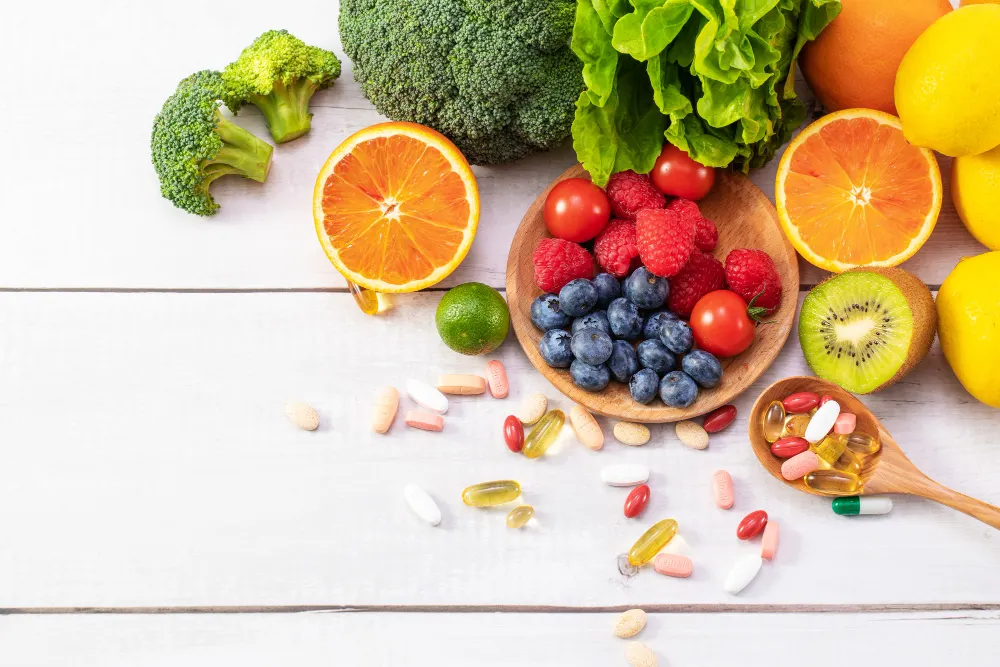
How Street Food Affects Your Gut Health
Street Food Is Delicious But What Is It Doing to Your Gut? Street food is one of the most beloved food experiences in the world. It's affordable, flavorful, and deeply tied to culture and community. But
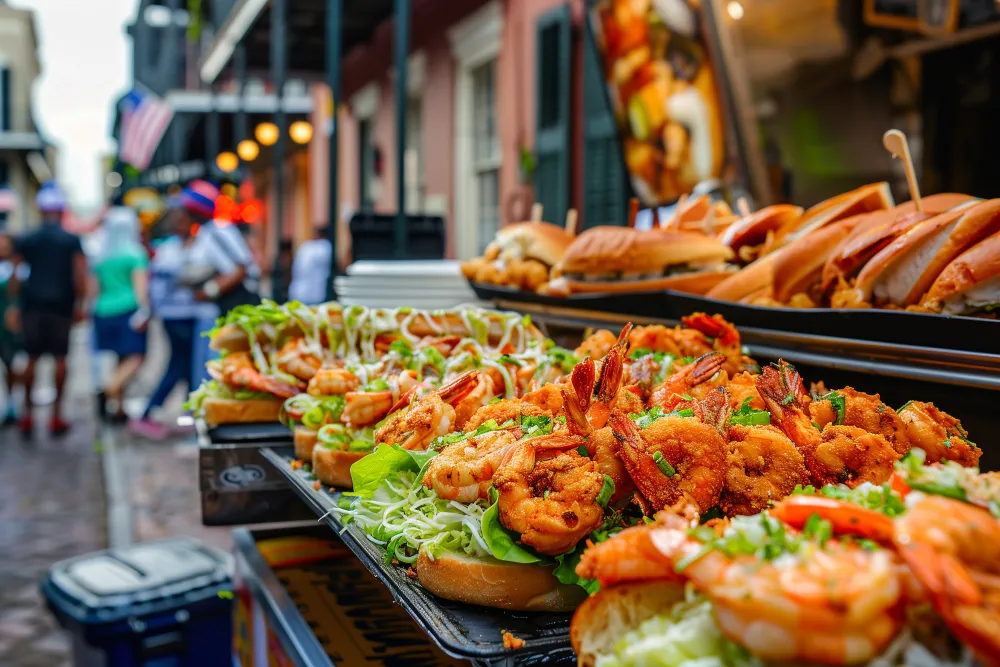
Street Food Is Delicious But What Is It Doing to Your Gut? Street food is one of the most beloved food experiences in the world. It's affordable, flavorful, and deeply tied to culture and community. But
By Anamul Haque
Updated
10 min read
Advertisement
Street food is one of the most beloved food experiences in the world. It’s affordable, flavorful, and deeply tied to culture and community.
But here’s a question most people don’t stop to ask. How does street food affect your gut health? Because what happens inside your digestive system after that meal matters just as much as how good it tastes.
The good news is that eating street food doesn’t have to mean compromising your digestive health. This guide explains exactly what’s going on inside your gut, what the real risks are, and how to protect yourself without giving up the foods you love.
Before we get into street food specifically, let’s quickly cover what “gut health” actually means. Because it’s more than just digestion.
Your gut is home to trillions of microorganisms — bacteria, fungi, and viruses — collectively known as the gut microbiome. A healthy, diverse microbiome plays a critical role in digestion, immunity, mood, metabolism, and even brain function.
Think of your gut lining like a protective wall. When that wall is healthy, it allows nutrients in while keeping harmful substances out. When it’s damaged or inflamed — by poor diet, infection, or harmful bacteria — the entire system can be disrupted.
This is exactly why what you eat matters so deeply for your overall health. And it’s why understanding how street food affects your gut health is worth knowing.
The World Health Organization estimates that 600 million people worldwide suffer from foodborne illness every year. Street food is one of the most common sources, particularly in warm climates where food may sit at room temperature for extended periods.
Street food affects your gut in several different ways. Some effects are short-term. Others, when street food is eaten frequently, can be longer-lasting.
After eating street food, your gut immediately begins processing unfamiliar bacteria, spices, fats, and cooking oils. For most healthy people with a robust microbiome, this is handled without issue.
However, when street food carries harmful pathogens or is prepared in unhygienic conditions, the gut’s immune response kicks in quickly. This often shows up as bloating, nausea, cramping, or diarrhea within hours of eating.
Eating street food occasionally is very different from eating it daily. Frequent consumption of heavily fried, high-sodium, low-fiber street food can gradually shift your gut microbiome in an unfavorable direction.
Specifically, a diet dominated by processed, low-fiber foods feeds harmful gut bacteria while starving the beneficial ones. Over time, this reduces microbiome diversity, a key marker of gut health. Research consistently links low microbiome diversity with higher risk of digestive disorders, weakened immunity, and even depression.
Let’s be clear about what the risks actually are. Street food itself isn’t inherently dangerous. The risks depend on how the food is prepared, stored, and handled.
Pregnant women, young children, elderly adults, and people with weakened immune systems or inflammatory bowel conditions face a significantly higher risk of serious complications from foodborne illness. These groups should be particularly careful about street food hygiene.
Understanding which bacteria are most commonly associated with street food helps explain why gut reactions happen so quickly and why some cases become serious.
| Bacteria / Pathogen | Common Source | Typical Symptoms | Onset Time |
|---|---|---|---|
| Salmonella | Undercooked meat, eggs, raw salads | Diarrhea, fever, cramping | 6–72 hours |
| E. coli | Contaminated water, raw vegetables | Severe diarrhea, vomiting | 1–10 days |
| Staphylococcus aureus | Poor hand hygiene, room-temperature food | Nausea, vomiting, stomach cramps | 30 min–8 hours |
| Vibrio cholerae | Contaminated water, seafood | Severe watery diarrhea, dehydration | 2 hours–5 days |
| Hepatitis A virus | Contaminated food and water, poor sanitation | Jaundice, fatigue, nausea, liver inflammation | 15–50 days |
Notice something about the onset times. Some reactions happen within hours. Others, like Hepatitis A, can take weeks to appear. This is exactly why many people don’t connect a gut problem to something they ate days earlier.
Here’s the part that surprises most people. Not all street food is harmful to your gut. In fact, some traditional street foods can actively support gut health.
Many traditional street foods include naturally fermented ingredients that are genuinely good for your microbiome. Think of foods like kimchi, sauerkraut, fermented pickles, yogurt-based drinks, and certain fermented rice or lentil dishes. These foods contain live beneficial bacteria that directly support gut microbiome diversity.
Many traditional street foods are built around legumes, vegetables, and whole grains — ingredients rich in prebiotic fiber that feeds beneficial gut bacteria. A bowl of lentil soup, chickpea curry, or vegetable stew from a trusted vendor actually delivers meaningful gut health benefits.
The key distinction is this. Street food that is freshly cooked, plant-based, or fermented can genuinely support gut health. Street food that is heavily fried, old, or stored at unsafe temperatures is where the risks arise.
Most mild gut reactions after street food resolve on their own within 24 to 48 hours. But some signs tell you to seek medical attention sooner.
These symptoms suggest a more serious infection that may need medical treatment, including rehydration therapy or in some cases antibiotics.
The goal isn’t to avoid street food completely. It’s to enjoy it more smartly. These practical tips significantly reduce your risk of gut problems.
Even with the best precautions, gut reactions from street food can still happen. Here’s how to help your gut recover as quickly as possible.
Not necessarily. How street food affects your gut health depends largely on how it’s prepared and stored. Freshly cooked, hot street food from a hygienic vendor is generally safe. The real risks come from food that has been sitting at unsafe temperatures, prepared with contaminated water, or handled with poor hygiene.
Several things could cause this. Common reasons include unfamiliar spices or oils irritating a sensitive gut, mild bacterial contamination, high fat content slowing digestion, or an underlying digestive condition like IBS that makes your gut more reactive. If it happens consistently, it may be worth speaking to a doctor about your digestive health.
Most mild cases of food poisoning from street food resolve within 24 to 48 hours with proper hydration and rest. More serious bacterial infections may take 3 to 7 days. If symptoms persist beyond 3 days, worsen significantly, or include blood in stool or high fever, seek medical attention promptly.
Eating street food occasionally is unlikely to cause lasting harm. However, eating heavily fried, low-fiber, high-sodium street food daily over months and years can gradually reduce gut microbiome diversity and increase gut inflammation. Balancing street food with a diet rich in whole, plant-based foods helps protect your gut health long-term.
Yes, definitely. Freshly cooked, plant-based street foods — particularly those including legumes, vegetables, and fermented ingredients — are significantly better for gut health than heavily fried, meat-heavy, or high-sugar options. Fermented street foods like kimchi, yogurt-based dishes, and fermented lentil preparations can actively support your gut microbiome.
Understanding how street food affects your gut health doesn’t mean avoiding it entirely. It means making smarter choices — choosing freshly cooked over pre-made, hot over lukewarm, and plant-rich over heavily processed.
Your gut is remarkably resilient when you take care of it. A diverse, fiber-rich diet most of the time gives it the strength to handle occasional street food adventures without major consequence.
So go ahead and enjoy that street food. Just watch it being cooked, choose the busy stall, carry your hand sanitizer, and drink sealed water. Your gut will thank you. 💚
Medical Disclaimer: The information provided in this article is intended for general educational and informational purposes only and does not constitute medical advice, diagnosis, or treatment. If you experience severe or persistent digestive symptoms after eating street food, please consult a qualified physician promptly. BestInMeds.com does not recommend or endorse any specific medication, probiotic, or treatment protocol.
Advertisement

Find a specialist
A check-up three months before you try finds problems early, from blood sugar to missing vaccines. Find a gynecologist in your district and call the chamber directly.

Advertisement
Related
Advertisement