Osteoporosis: The Bone Disease You Can’t Feel Until It’s Too Late
Your bones are alive. They constantly rebuild themselves throughout your life. But sometimes, that rebuilding process slows down too much.
This is osteoporosis. It makes bones weak and brittle. And here’s the scary part. You usually can’t feel it happening.
This guide explains the real osteoporosis causes, symptoms, and treatment options. By the end, you’ll know exactly how to protect your bones for life.
📋 Table of Contents
What Is Osteoporosis?
Let’s start simple. Your bones aren’t static. They’re living tissue, constantly being broken down and rebuilt in a process called remodeling.
In your younger years, your body builds new bone faster than it breaks down old bone. This is why bone density typically peaks around age 30.
After that, bone breakdown gradually starts to outpace bone formation. For most people, this happens slowly and isn’t a problem. But for people with osteoporosis, bone loss happens much faster than normal.
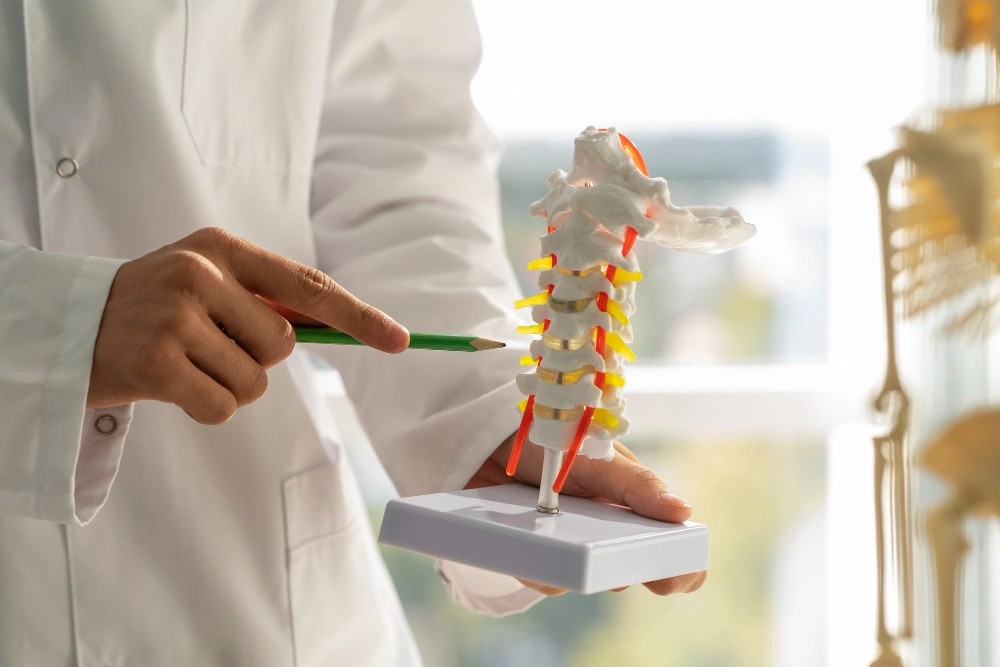
The word osteoporosis literally means “porous bone.” Under a microscope, healthy bone looks like a tight honeycomb. Osteoporotic bone looks like that same honeycomb, but with much larger holes. The structure becomes fragile. Even small falls or bumps can cause serious fractures.
According to the International Osteoporosis Foundation, osteoporosis affects roughly 1 in 3 women and 1 in 5 men over the age of 50 worldwide. Yet most people don’t know they have it until they break a bone.
What Causes Osteoporosis
So, what actually causes bones to weaken this much? It usually comes down to a mix of hormonal, lifestyle, and genetic factors working together.
Hormonal Changes
Estrogen plays a major role in protecting bone density in women. After menopause, estrogen levels drop sharply. This causes bone loss to speed up dramatically. In fact, women can lose up to 20% of their bone density in the five to seven years following menopause.
Men aren’t immune either. Declining testosterone levels with age also contribute to bone loss, though typically at a slower pace than in women.
Insufficient Calcium and Vitamin D
Calcium is the primary building block of bone tissue. Vitamin D helps your body absorb that calcium. Without enough of both, your body starts pulling calcium from your bones to maintain normal blood levels. Over years, this steadily weakens bone structure.
Physical Inactivity
Bones respond to stress by getting stronger. This is why weight-bearing exercise is so important. A sedentary lifestyle removes this stimulus, accelerating bone loss over time.
Medications and Medical Conditions
Certain medications can weaken bones with long-term use. These include corticosteroids, some anti-seizure drugs, and certain cancer treatments. Conditions like rheumatoid arthritis, celiac disease, and hyperthyroidism also raise osteoporosis risk significantly.
Who Is Most at Risk?
Anyone can develop osteoporosis. But some people face a much higher risk than others. Pay closer attention if you fall into one or more of these groups.
- Women, especially after menopause
- Adults over the age of 50
- People with a family history of osteoporosis or hip fracture
- People with a small, thin body frame
- People who smoke or drink alcohol heavily
- People with low calcium or vitamin D intake
- People with a sedentary lifestyle
- People taking long-term corticosteroid medications
- People with certain autoimmune or digestive conditions
If several of these apply to you, talk to your doctor about bone density screening. Catching bone loss early makes a huge difference.
Symptoms of Osteoporosis
Here’s the most important thing to understand about osteoporosis. It’s often called a “silent disease” for a good reason. Most people have no symptoms at all in the early stages.
Bone loss happens gradually, without pain or warning. Many people only discover they have osteoporosis after breaking a bone from a minor fall or bump.
As the condition progresses, some signs may eventually appear.
- Back pain, often caused by a fractured or collapsed vertebra
- Loss of height over time
- A stooped posture, sometimes called a “dowager’s hump”
- A bone that breaks much more easily than expected
- Weakened grip strength
If you notice unexplained back pain or height loss, it’s worth mentioning to your doctor, especially if you have other risk factors.
How Osteoporosis Is Diagnosed
The good news is that diagnosing osteoporosis is simple, painless, and quick.
- DEXA scan. This is the gold standard test. It’s a quick, low-radiation X-ray that measures bone mineral density, usually at the hip and spine.
- T-score result. Your results are compared to the bone density of a healthy young adult. A score of negative 2.5 or below indicates osteoporosis.
- Osteopenia. A T-score between negative 1 and negative 2.5 indicates osteopenia, a milder form of bone loss that can progress to osteoporosis if untreated.
- Blood tests. These may be used to rule out underlying conditions contributing to bone loss.
Most guidelines recommend bone density screening for all women starting at age 65, and earlier for those with risk factors. Men with risk factors should also discuss screening with their doctor, typically starting around age 70. Don’t wait for symptoms. A simple scan today could prevent a serious fracture later.
Complications and Fracture Risk
The real danger of osteoporosis isn’t the condition itself. It’s what happens when weakened bones break. Here’s why fractures from osteoporosis are so serious.
- Hip fractures. Among the most serious osteoporotic fractures. Roughly 20% of people who suffer a hip fracture die within a year, often from complications of reduced mobility.
- Spinal fractures. These can happen even without a fall, simply from the pressure of daily movement. They cause height loss, back pain, and a stooped posture.
- Wrist fractures. Often the first sign of osteoporosis, typically from a fall onto an outstretched hand.
- Reduced independence. Fractures, especially hip fractures, often lead to long-term mobility loss and the need for ongoing care.
- Chronic pain. Spinal fractures in particular can cause persistent, long-term pain that affects daily quality of life.
Treatment Options for Osteoporosis
Osteoporosis treatment focuses on slowing bone loss, building bone density where possible, and preventing fractures. Several effective approaches exist.
- Bisphosphonates. The most commonly prescribed medications. They slow the rate of bone breakdown, helping preserve existing bone density.
- Hormone-related therapy. For some postmenopausal women, hormone therapy can help slow bone loss, though it carries its own risks and benefits to discuss with a doctor.
- Bone-building medications. Certain newer medications actively stimulate new bone formation rather than just slowing loss, used for more severe cases.
- Calcium and vitamin D supplements. Often recommended alongside other treatments to ensure your body has the building blocks it needs.
- Fall prevention strategies. Since fractures are the main danger, reducing fall risk through home safety changes and balance training is a critical part of treatment.
Treatment plans are highly individual. Your doctor will consider your bone density, fracture risk, age, and other health conditions to recommend the right approach for you.
Best Foods for Strong Bones
Diet plays a foundational role in bone health, at every age. Here’s what your bones need most.
| Nutrient | Best Food Sources | Why It Matters |
|---|---|---|
| Calcium | Dairy, leafy greens, fortified foods, sardines | The main building block of bone tissue |
| Vitamin D | Sunlight, fatty fish, egg yolks, fortified milk | Helps your body absorb calcium effectively |
| Vitamin K | Kale, spinach, broccoli, Brussels sprouts | Helps direct calcium into bones properly |
| Magnesium | Nuts, seeds, whole grains, legumes | Supports bone structure and density |
| Protein | Lean meat, fish, eggs, legumes, dairy | Forms part of the bone matrix itself |
It’s also worth limiting excessive caffeine, alcohol, and very high sodium intake. All three can interfere with calcium absorption or increase calcium loss over time.
Exercise for Bone Health
Bones get stronger when they’re put under load. This makes exercise one of the most powerful tools for building and maintaining bone density.
- Weight-bearing exercise. Walking, jogging, dancing, and stair climbing force your bones to work against gravity, stimulating new bone growth.
- Resistance training. Lifting weights or using resistance bands builds both muscle and bone strength together.
- Balance exercises. Yoga and tai chi improve balance and coordination, directly reducing fall risk.
- Posture-focused exercises. Strengthening the back and core muscles helps support spinal health and reduces fracture risk.
Aim for weight-bearing activity most days of the week, combined with strength training two to three times weekly. Always check with your doctor before starting a new exercise routine if you already have osteoporosis.
How to Prevent Osteoporosis
The best time to protect your bones is long before any problem develops. Building strong bone density early in life provides a buffer against the natural bone loss that comes with age.
- Get enough calcium and vitamin D throughout life, not just after diagnosis
- Stay physically active with regular weight-bearing exercise
- Avoid smoking, which directly accelerates bone loss
- Limit alcohol consumption to moderate levels
- Maintain a healthy body weight, since being underweight raises fracture risk
- Get screened for bone density starting at the recommended age, especially with risk factors
- Review medications with your doctor if you’re on long-term corticosteroids
These habits matter at every age. But they’re especially powerful when started in your 20s and 30s, while your body is still actively building peak bone mass.
Frequently Asked Questions
❓ Can osteoporosis be reversed?
Osteoporosis generally can’t be fully reversed, but its progression can be slowed significantly, and in some cases, bone density can improve. With proper treatment, including medication, adequate calcium and vitamin D, and regular weight-bearing exercise, many people see meaningful improvements in bone strength and a reduced fracture risk over time.
❓ At what age should I get a bone density test?
Most guidelines recommend bone density screening for all women starting at age 65. Women with risk factors, including early menopause or a family history of osteoporosis, may need earlier testing. Men with significant risk factors should discuss screening with their doctor, typically starting around age 70.
❓ Is osteoporosis only a women’s disease?
No. While women are at higher risk, particularly after menopause, men get osteoporosis too. Roughly 1 in 5 men over 50 will experience an osteoporosis-related fracture in their lifetime. Men’s bone loss tends to happen more gradually, which can sometimes lead to later diagnosis.
❓ What is the difference between osteoporosis and osteopenia?
Osteopenia is a milder stage of bone loss that comes before osteoporosis. A T-score between negative 1 and negative 2.5 indicates osteopenia, while a score of negative 2.5 or lower indicates osteoporosis. Osteopenia is a warning sign. Lifestyle changes at this stage can often prevent progression to full osteoporosis.
❓ How much calcium do I need daily to prevent osteoporosis?
Most adults need around 1,000mg of calcium daily. Women over 50 and men over 70 typically need closer to 1,200mg daily. It’s best to get calcium primarily from food sources like dairy, leafy greens, and fortified foods, with supplements used to fill any remaining gaps under medical guidance.
🦴 Strong Bones Start With Today’s Choices
Understanding osteoporosis causes, symptoms, and treatment gives you real power over your bone health. This condition is often silent, but it’s far from unstoppable.
Eat enough calcium and vitamin D. Stay active with weight-bearing exercise. Avoid smoking. Get screened if you’re at risk. These simple, consistent habits genuinely protect your bones for decades to come.
Your bones have carried you your whole life. A little care today helps make sure they keep doing that for many years ahead. 💚
Medical Disclaimer: The information provided in this article is intended for general educational and informational purposes only and does not constitute medical advice, diagnosis, or treatment. Please consult a qualified physician for proper bone density screening, diagnosis, and management of osteoporosis. BestInMeds.com does not recommend or endorse any specific medication, supplement, or treatment protocol.