


Preparation For Pregnancy
Getting ready for pregnancy is about more than a positive test. A few months of simple preparation – a check-up, balanced food, healthy habits and time to talk things through together – can help both partners feel ready and give a future pregnancy the best possible start.
BestinMeds8 Sections

Advertisement
Google Ads 970 x 250Google Ads 300 x 250
Good preparation for pregnancy starts a few months before you try to conceive. A preconception check-up, balanced food, folic acid and healthy daily habits can help you feel ready and give a future pregnancy the best possible start. This guide explains the simple steps that matter most for women in Bangladesh who are planning a baby.
Preparation for pregnancy
Preconception health means your health before pregnancy: your general health, any long-term conditions, your medicines, your food and your daily habits. The first weeks of pregnancy matter greatly for your baby’s development, often before you know you are pregnant, so this is a good time to sort out small problems.
You do not need to change everything at once. Start with a check-up and folic acid, then build from there. Your partner’s health matters too, so it helps to prepare together.
See your doctor before you conceive
Book a preconception check-up a few months before you start trying. Your doctor can review your general health, blood pressure, weight and medicines. Some medicines need to change before pregnancy, so never stop a regular medicine on your own. If you need a doctor, you can find a gynaecologist on BestinMeds.
- Health checks: Ask whether you need blood tests, a blood group check or screening for infections before you conceive.
- Vaccinations: Ask your doctor whether your tetanus and rubella vaccinations are up to date, as some vaccines are best given before pregnancy.
Food, folic acid and supplements
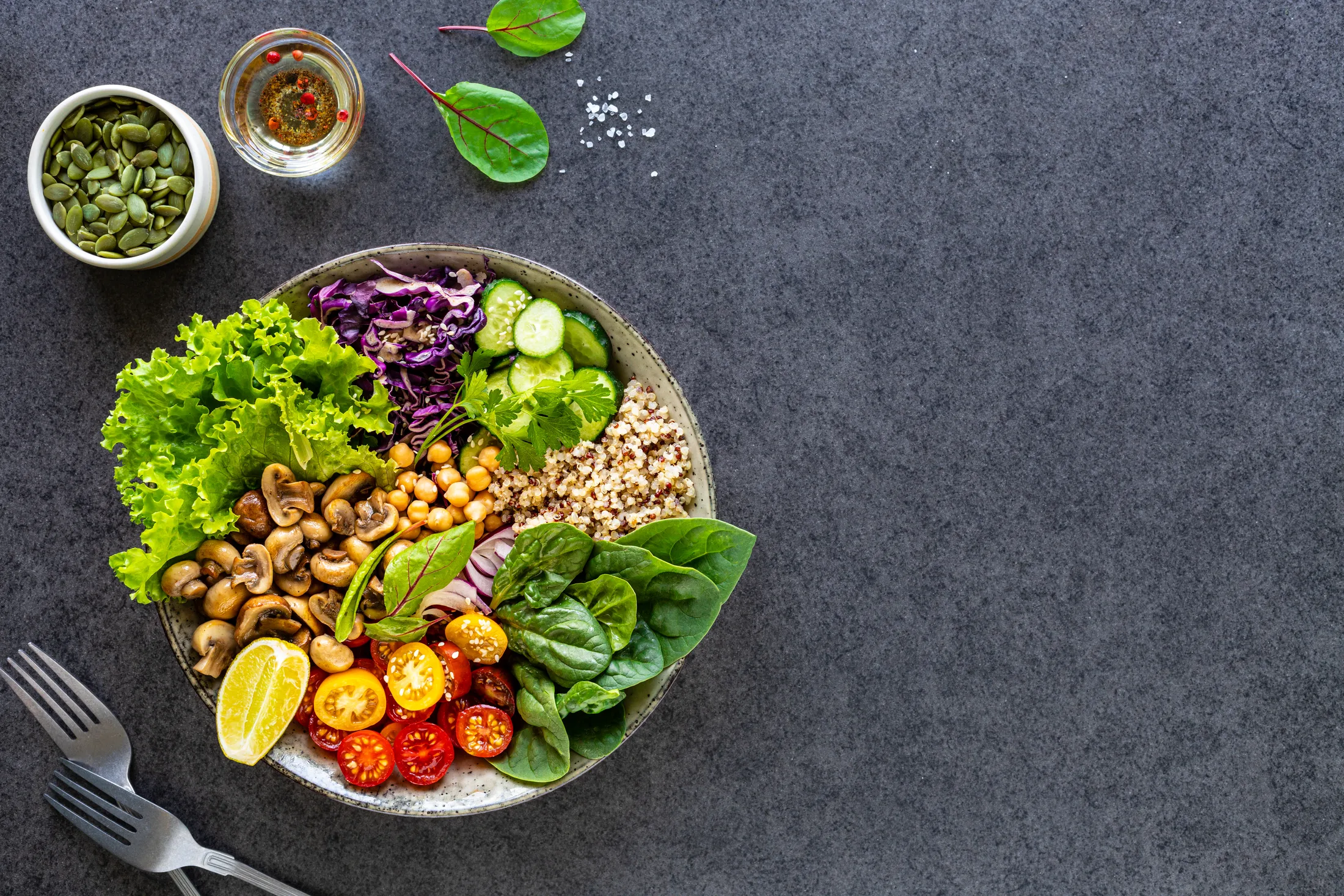
A balanced diet is the best foundation. Build meals around rice or whole grains, lentils and beans, vegetables, fruit, eggs, fish or lean meat, and milk or yoghurt. Drink plenty of clean water, and cut down on very salty, sugary and fried foods.
Folic acid is one of the few supplements recommended before and in early pregnancy. Public health guidance recommends 400 micrograms a day, starting before conception and continuing through the first weeks of pregnancy, because it helps prevent serious problems with the baby’s brain and spine. Ask your doctor or pharmacist which product suits you.
Iron helps prevent anaemia, which is common in pregnancy. Lentils, leafy greens, eggs and red meat provide iron, and vitamin C from fruit helps your body absorb it. Your doctor may suggest a supplement if blood tests show low iron.
Healthy weight and daily movement
Being very underweight or overweight can make it harder to conceive and can increase the chance of complications in pregnancy. Aim for a healthy weight through balanced food and regular activity, rather than a strict diet.
Try to move your body most days. Brisk walking, swimming, cycling or light exercise for about 30 minutes on most days is a good goal for most women. Build up gradually and keep a regular sleep routine.
Healthy habits for both partners
Smoking, alcohol and recreational drugs can reduce fertility and harm a developing baby. If you smoke, try to stop before you conceive, and ask your partner to stop too, as secondhand smoke also matters. Avoid alcohol while you are trying to conceive and during pregnancy.
- Medicines and herbal products: Tell your doctor about every medicine, vitamin and herbal product you take, as some are not safe in pregnancy.
- Stress: Trying to conceive can be stressful. Gentle routines such as walking, rest and talking with your partner or a trusted person can help.
Long-term conditions and medicines
If you have diabetes, high blood pressure, thyroid disease, epilepsy, asthma or another long-term condition, talk with your doctor before you try to conceive. Good control of your condition before pregnancy helps protect you and your baby.
Your doctor may adjust your medicines or suggest extra checks. Do not change or stop treatment on your own. If you have had a previous pregnancy loss, ask your doctor whether any extra tests or care would help.
Understanding your cycle
Knowing how your cycle works can help you time intercourse around your fertile days. Ovulation usually happens about two weeks before your next period, and the fertile window is the few days before and around ovulation.
It is normal for conception to take a few months. Track your periods for a few cycles and note signs such as changes in cervical mucus. Ovulation kits can also help, but they are not needed for everyone.
Emotional and practical preparation
Pregnancy brings big changes, and it is normal to feel excited, nervous or both. Talk openly with your partner about your hopes and worries, and build a support circle of family and friends.
A little practical planning also helps. Find out what antenatal care and delivery may cost where you live, learn about maternity leave and benefits, and start saving for your baby’s first months. Once you conceive, our pregnancy tips guide can help you through each stage.
When to see a doctor
See your doctor before you start trying if you have a long-term condition, take regular medicines, have had a previous pregnancy loss, have irregular periods, or have been trying for a year without success, or after six months if you are over 35. Seek care sooner if you have severe pain, heavy bleeding or a fever.
BestinMeds Shares Health Information To Help You Plan And Understand Your Care. It Does Not Replace A Doctor.
Advertisement
Google Ads 970 x 250Google Ads 300 x 250

For doctors, hospitals and companies
Want more patients? Get
featured
A Featured listing puts your profile at the top of search results and on the home page, always labelled for patients.
Featured doctorFeatured hospitalSponsored medicine
Get featuredAsk on WhatsApp

Advertisement
Google Ads 970 x 250Google Ads 300 x 250
Related
More Pregnancy Topics
All Pregnancy Topics GuidePregnancy Tips
 GuideFood During Pregnancy
 GuidePregnancy Signs/Symptom
Advertisement
Google Ads 970 x 250Google Ads 300 x 250