
Type 2 Diabetes: The Condition Affecting Half a Billion People Worldwide
Type 2 diabetes is one of the fastest-growing health conditions on the planet. Over 537 million adults are currently living with diabetes globally. And millions more have it without knowing.
Here’s what makes this condition particularly important to understand. Type 2 diabetes causes symptoms and complications that affect virtually every organ in the body. Left unmanaged, it silently damages your heart, kidneys, eyes, and nerves over years.
But here’s the genuinely hopeful part. Type 2 diabetes is largely preventable. And in many cases, it is even reversible. This guide explains everything you need to know, in plain, simple language.
📋 Table of Contents
- What Is Type 2 Diabetes?
- What Causes Type 2 Diabetes
- Who Is Most at Risk?
- Symptoms of Type 2 Diabetes
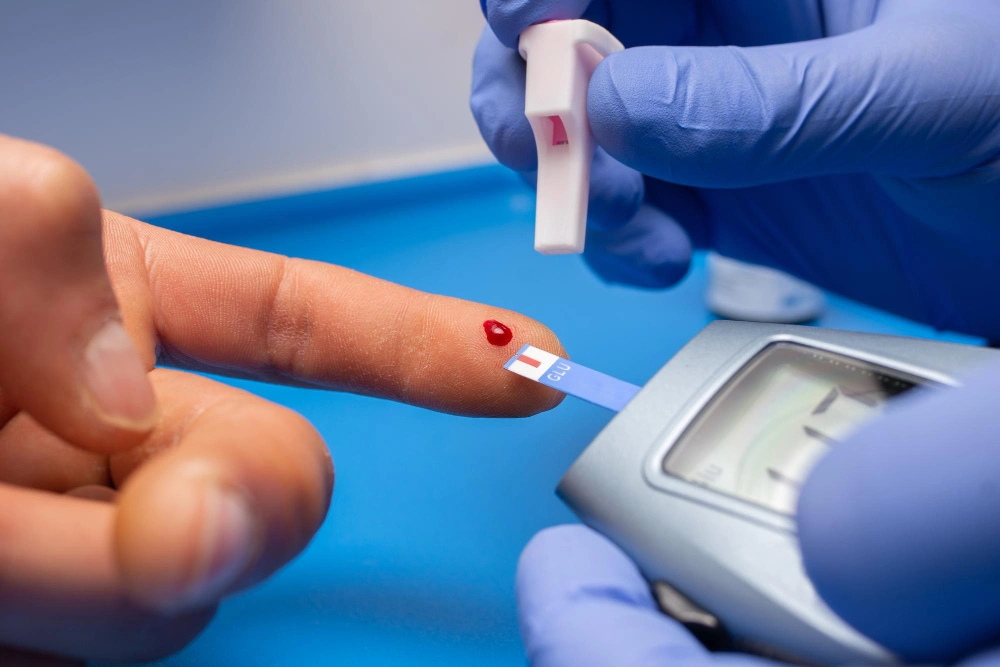
- How Type 2 Diabetes Is Diagnosed
- Complications of Untreated Type 2 Diabetes
- Treatment Options for Type 2 Diabetes
- Best Diet for Type 2 Diabetes
- Can Type 2 Diabetes Be Reversed?
- How to Prevent Type 2 Diabetes
- Frequently Asked Questions
What Is Type 2 Diabetes?
Let’s start with the basics. Your body runs on glucose, a type of sugar that comes from the food you eat. Normally, a hormone called insulin acts like a key that unlocks your cells, letting glucose inside to be used as energy.
In Type 2 diabetes, two things go wrong. First, your cells stop responding properly to insulin. This is called insulin resistance. Second, over time, your pancreas struggles to produce enough insulin to compensate. The result? Glucose stays stuck in your bloodstream instead of entering your cells.
High blood sugar over months and years is what causes all the serious complications associated with Type 2 diabetes. The cells that need energy don’t get it. And the excess glucose in the blood acts like a slow poison, damaging blood vessels and nerves throughout the body.
The International Diabetes Federation estimates that 1 in 2 adults with diabetes remains undiagnosed. That’s over 240 million people worldwide silently experiencing blood sugar damage without knowing it. Type 2 diabetes often develops slowly and quietly, which is exactly why awareness and regular screening matter so much.
What Causes Type 2 Diabetes
Type 2 diabetes doesn’t develop overnight. It builds up slowly over years, driven by a combination of lifestyle factors and genetic predisposition.
Insulin Resistance: The Core Problem
The central driver of Type 2 diabetes is insulin resistance. When your cells stop responding efficiently to insulin, your pancreas compensates by pumping out more and more insulin. Over time, the pancreas becomes exhausted. It can no longer keep up. Blood sugar levels rise, and diabetes develops.
So what causes insulin resistance in the first place? Several factors work together.
- Excess body fat, especially around the belly. Visceral fat actively releases inflammatory chemicals that interfere with insulin signaling in cells.
- A diet high in refined sugar and processed carbohydrates. Frequent blood sugar spikes force the pancreas to work overtime, gradually wearing it down.
- Physical inactivity. Muscles are the body’s primary glucose consumers. Without regular movement, glucose stays in the blood instead of being used.
- Chronic sleep deprivation. Poor sleep impairs insulin sensitivity within just a few nights of disruption.
- Chronic stress. Elevated cortisol from sustained stress directly promotes insulin resistance and abdominal fat storage.
- Genetics. Having a parent or sibling with Type 2 diabetes significantly raises your personal risk.
Who Is Most at Risk?
Type 2 diabetes can affect anyone, but certain groups face a significantly higher risk. Check this list carefully.
- People who are overweight or obese, especially with belly fat
- Adults over the age of 45
- People with a family history of Type 2 diabetes
- People with prediabetes (blood sugar higher than normal but not yet diabetic)
- Women who had gestational diabetes during pregnancy
- People with PCOS (polycystic ovary syndrome)
- People with high blood pressure or high cholesterol
- People who are physically inactive
- People from certain ethnic backgrounds, including South Asian, African, and Hispanic populations
If several of these apply to you, getting your blood sugar tested regularly is genuinely important. Catching prediabetes early gives you the best chance to reverse course before Type 2 diabetes develops.
Symptoms of Type 2 Diabetes
This is where Type 2 diabetes becomes particularly tricky. In its early stages, it often causes no noticeable symptoms at all. Many people live with it for years before getting diagnosed.
When symptoms do appear, they include:
- Increased thirst and frequent urination. Excess glucose in the blood pulls water from tissues, making you thirsty. Your kidneys work overtime to filter the glucose, leading to frequent trips to the bathroom.
- Unexplained fatigue. Without glucose reaching your cells efficiently, you feel persistently tired even after rest.
- Blurred vision. High blood sugar draws fluid from the lenses of your eyes, affecting your ability to focus.
- Slow-healing wounds or frequent infections. High blood sugar impairs immune function and blood flow, slowing the body’s natural healing process.
- Tingling or numbness in hands and feet. A sign of early nerve damage from elevated blood sugar.
- Darkened skin patches. Particularly in the neck, armpits, or groin, a condition called acanthosis nigricans signals insulin resistance.
- Unexplained weight loss. When cells can’t access glucose, the body breaks down fat and muscle for energy instead.
Because Type 2 diabetes often causes no symptoms in its early stages, waiting to feel sick before getting tested is a dangerous strategy. Blood vessel and nerve damage can begin years before any obvious symptoms appear. If you have risk factors, ask your doctor about routine blood sugar screening even if you feel perfectly fine.
How Type 2 Diabetes Is Diagnosed
Diagnosing Type 2 diabetes requires a simple blood test. Here are the main tests doctors use.
| Test | Normal | Prediabetes | Diabetes |
|---|---|---|---|
| Fasting Blood Sugar | Below 100 mg/dL | 100-125 mg/dL | 126 mg/dL or above |
| HbA1c (3-month average) | Below 5.7% | 5.7% – 6.4% | 6.5% or above |
| Random Blood Sugar | Below 140 mg/dL | 140-199 mg/dL | 200 mg/dL or above |
| Oral Glucose Tolerance Test | Below 140 mg/dL | 140-199 mg/dL | 200 mg/dL or above |
The HbA1c test is particularly useful because it shows your average blood sugar over the past 2 to 3 months. It doesn’t require fasting and gives doctors a clear picture of long-term blood sugar control.
Complications of Untreated Type 2 Diabetes
This is why managing Type 2 diabetes seriously matters so much. Left untreated or poorly controlled, high blood sugar silently attacks nearly every organ in the body over time.
| Body System | Complication | Risk Increase |
|---|---|---|
| Cardiovascular | Heart attack, stroke, heart failure | 2 to 4 times higher risk |
| Kidneys | Diabetic nephropathy, kidney failure | Leading cause of kidney failure |
| Eyes | Diabetic retinopathy, blindness | Leading cause of adult blindness |
| Nerves | Diabetic neuropathy, pain, numbness | Affects up to 50% of diabetics |
| Feet | Poor circulation, ulcers, amputation | 15 times higher amputation risk |
| Brain | Cognitive decline, dementia | 2 times higher dementia risk |
Here’s the critical point. Most of these complications are preventable with good blood sugar management. The damage doesn’t have to happen. Consistent, well-managed blood sugar levels protect every organ in this list.
Treatment Options for Type 2 Diabetes
Type 2 diabetes treatment has one central goal: keep your blood sugar levels within a healthy range to prevent complications. Here’s how that’s achieved.
Lifestyle Change: The Most Powerful First Step
For many people, particularly those in the early stages of Type 2 diabetes, lifestyle changes alone can bring blood sugar back to normal or near-normal levels. This includes dietary changes, regular physical activity, and weight loss.
Even a 5 to 10% reduction in body weight produces meaningful improvements in blood sugar control, insulin sensitivity, and cardiovascular risk factors. This is not a small effect. It’s genuinely transformative for many people.
Medications
When lifestyle changes aren’t sufficient on their own, several medications can help manage blood sugar effectively.
- Metformin. The most commonly prescribed first-line medication for Type 2 diabetes. It reduces glucose production in the liver and improves insulin sensitivity.
- SGLT2 inhibitors. Help the kidneys remove excess glucose through urine. Also shown to protect the heart and kidneys.
- GLP-1 receptor agonists. Stimulate insulin release, reduce appetite, and support weight loss. Some also reduce cardiovascular risk significantly.
- Insulin therapy. Required when the pancreas can no longer produce sufficient insulin on its own.
Always work with your doctor to find the right medication approach for your specific situation. Diabetes management is not one-size-fits-all.
Best Diet for Type 2 Diabetes
Diet is arguably the most powerful tool available for managing Type 2 diabetes. The right eating pattern keeps blood sugar stable, reduces insulin demand, and supports weight management all at once.
Foods to Eat More Of
- Non-starchy vegetables. Spinach, broccoli, cucumber, and leafy greens are high in fiber and very low in carbohydrates.
- Whole grains. Oats, brown rice, and quinoa release glucose slowly, preventing spikes.
- Lean protein. Eggs, fish, chicken, tofu, and legumes support satiety without raising blood sugar.
- Healthy fats. Avocados, olive oil, and nuts improve insulin sensitivity over time.
- Legumes. Lentils and chickpeas are rich in fiber and protein, making them ideal for blood sugar control.
Foods to Limit or Avoid
- Sugary drinks. Soda, fruit juice, and sweetened coffee spike blood sugar rapidly and severely.
- White bread, white rice, and refined pasta. These digest quickly and cause sharp blood sugar rises.
- Ultra-processed snacks and sweets. High in sugar, unhealthy fats, and empty calories.
- Fried foods. Add unhealthy fats and calories without any nutritional benefit for blood sugar management.
Can Type 2 Diabetes Be Reversed?
This is one of the most common questions people ask after a Type 2 diabetes diagnosis. The answer is more hopeful than most people expect.
For many people, especially those diagnosed early and with significant weight to lose, Type 2 diabetes can go into remission. Remission means blood sugar levels return to normal without medication. The condition isn’t “cured” in the traditional sense, since the underlying predisposition remains. But the active disease can be effectively put on hold.
Research shows that losing 10 to 15% of body weight through calorie restriction, combined with regular exercise, can achieve remission in a meaningful proportion of people with Type 2 diabetes. The landmark DiRECT trial found that nearly 50% of participants achieved remission after one year of intensive dietary intervention.
The key factors for achieving remission are early diagnosis, significant weight loss, and sustained lifestyle change. The longer diabetes has been present and the more pancreatic function has declined, the harder remission becomes. This is another reason why catching it early matters so much.
How to Prevent Type 2 Diabetes
Here’s the most important section of this entire guide. Type 2 diabetes is largely preventable. The Diabetes Prevention Program, one of the largest clinical trials on this topic, found that lifestyle intervention reduced the risk of Type 2 diabetes by 58% in people with prediabetes. That’s a remarkable finding.
- Maintain a healthy body weight. Even modest weight loss, if you’re overweight, dramatically reduces diabetes risk.
- Move your body every day. Aim for at least 150 minutes of moderate activity weekly. Exercise makes muscles more sensitive to insulin.
- Eat more fiber. Fiber slows glucose absorption, reduces blood sugar spikes, and feeds beneficial gut bacteria.
- Cut back on sugary drinks. Replacing soda and juice with water is one of the most impactful single changes for diabetes prevention.
- Sleep 7 to 9 hours nightly. Poor sleep impairs insulin sensitivity rapidly and consistently.
- Manage stress actively. Chronic stress raises cortisol, promotes insulin resistance, and drives emotional eating.
- Get screened regularly. If you have risk factors, a simple fasting blood sugar or HbA1c test every 1 to 3 years could catch prediabetes in time to reverse it.
Frequently Asked Questions
❓ What is the main cause of Type 2 diabetes?
The central cause is insulin resistance, where the body’s cells stop responding efficiently to insulin. This is primarily driven by excess body fat (especially around the belly), a diet high in refined sugars and processed carbohydrates, physical inactivity, poor sleep, and chronic stress. Genetic predisposition also plays a meaningful role, increasing risk independently of lifestyle factors.
❓ Can Type 2 diabetes be cured permanently?
Type 2 diabetes cannot be permanently “cured” in the traditional sense, as the underlying predisposition remains. However, it can go into remission, meaning blood sugar levels return to normal without medication. This is achievable for many people, particularly those diagnosed early, through significant weight loss and sustained lifestyle change. Maintaining remission requires ongoing commitment to healthy habits.
❓ What are the early warning signs of Type 2 diabetes?
Early signs include increased thirst, frequent urination, unexplained fatigue, blurred vision, and slow-healing cuts or infections. However, many people have no symptoms at all in the early stages. This is why regular screening is so important, particularly if you have risk factors like obesity, family history, or a sedentary lifestyle.
❓ How much weight loss is needed to improve Type 2 diabetes?
Studies consistently show that losing 5 to 10% of body weight produces meaningful improvements in blood sugar, insulin sensitivity, and cardiovascular risk factors. For remission, a weight loss of 10 to 15% or more tends to be most effective. Even smaller amounts of weight loss produce clinically significant benefits for overall diabetes management.
❓ Is Type 2 diabetes the same as Type 1 diabetes?
No. They are distinct conditions with different causes. Type 1 diabetes is an autoimmune condition where the immune system destroys the insulin-producing cells of the pancreas. It is not preventable and always requires insulin therapy. Type 2 diabetes is primarily driven by insulin resistance and is strongly linked to lifestyle factors. It is largely preventable and can often be managed or reversed with lifestyle changes.
🌿 Knowledge Is the First Step to Better Blood Sugar
Understanding the causes, symptoms, and treatment of Type 2 diabetes puts real power in your hands. This condition doesn’t have to be a life sentence. Caught early and managed well, people with Type 2 diabetes live full, healthy, active lives.
The most important steps are simple, even if they’re not always easy. Eat real food. Move your body. Sleep well. Manage your stress. Get your blood sugar checked regularly. Each of these steps works on its own. Together, they are transformative.
If you haven’t been tested recently and you have risk factors, today is the right day to schedule that appointment. Your future health is worth it. 💚
Medical Disclaimer: The information provided in this article is intended for general educational and informational purposes only and does not constitute medical advice, diagnosis, or treatment. Type 2 diabetes is a serious medical condition that requires proper diagnosis and management by a qualified physician or endocrinologist. Please do not start, stop, or change any diabetes medication based on information read online. BestInMeds.com does not recommend or endorse any specific medication, supplement, or treatment protocol.