
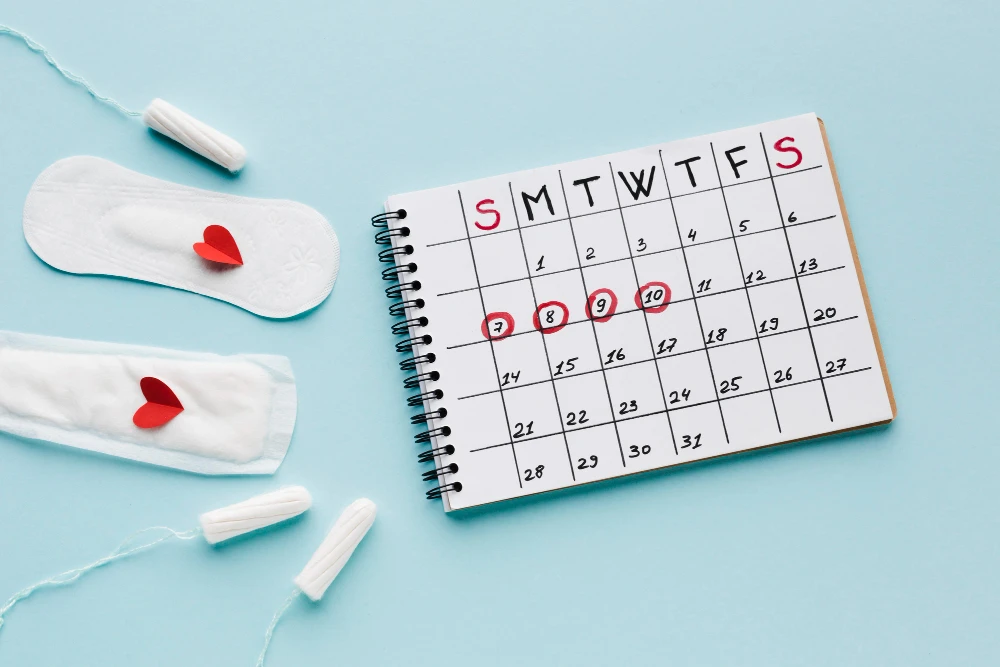
Your Period Is Trying to Tell You Something Are You Listening?
For many women, an irregular period is dismissed as “just stress” or “normal variation.” But your menstrual cycle is one of the most sensitive indicators of your overall health. When it becomes unpredictable, too frequent, too infrequent, or disappears altogether your body is sending a signal that deserves serious attention. Understanding irregular menstruation causes, symptoms, and treatment is not just about managing your cycle — it’s about understanding your health from the inside out.
📋 Table of Contents
- → What Is Irregular Menstruation?
- → What Does a Normal Menstrual Cycle Look Like?
- → Types of Menstrual Irregularities
- → Symptoms of Irregular Menstruation
- → Common and Serious Causes of Irregular Periods
- → Who Is Most at Risk?
- → How Is Irregular Menstruation Diagnosed?
- → Irregular Menstruation Treatment Options
- → Natural Ways to Support Menstrual Regularity
- → When Should You See a Doctor?
- → Frequently Asked Questions
What Is Irregular Menstruation?
Irregular menstruation refers to any significant deviation from a woman’s established menstrual pattern whether in the timing, duration, frequency, or volume of bleeding. While some variation from month to month is completely normal, persistent irregularity or sudden, unexplained changes in a previously regular cycle warrants attention and often investigation.
According to the American College of Obstetricians and Gynecologists (ACOG), irregular menstruation affects up to 14 to 25% of women of reproductive age at any given time. Yet despite its prevalence, many women suffer in silence assuming their irregular cycles are something they simply have to live with. They don’t.
Consider the experience of a 27-year-old woman whose periods had always arrived every 28 days like clockwork until they didn’t. Suddenly her cycle stretched to 45 days, then 60. She felt tired, noticed unexpected weight gain, and her skin broke out badly. After months of dismissing it as stress, she finally saw a doctor and was diagnosed with an underactive thyroid a completely treatable condition that had been silently disrupting her cycle for over a year. Her story is far from unique.
What Does a Normal Menstrual Cycle Look Like?
Before understanding what makes a period irregular, it’s important to know what “normal” actually means — because normal varies significantly between women.
| Parameter | Normal Range | Irregular If… |
|---|---|---|
| Cycle Length | 21 to 35 days | Shorter than 21 or longer than 35 days |
| Period Duration | 2 to 7 days | Less than 2 or more than 7 days |
| Blood Volume | 20 to 80ml per period | Soaking a pad/tampon every hour or barely spotting |
| Cycle Variability | Up to 7–9 days variation | More than 9 days variation between cycles |
| Pain Level | Mild to moderate cramping | Pain so severe it disrupts daily life |
💡 Did You Know?
The menstrual cycle is now considered by many medical organizations — including the American Academy of Pediatrics — as a fifth vital sign, alongside pulse, blood pressure, temperature, and respiratory rate. Just as an abnormal blood pressure reading prompts investigation, so should a consistently irregular menstrual cycle. Your period is not just a reproductive event — it is a monthly health report.
Types of Menstrual Irregularities
Irregular menstruation is not a single condition — it is an umbrella term that encompasses several distinct patterns of abnormal menstrual bleeding. Understanding which type you are experiencing helps guide the diagnostic and treatment process.
- Oligomenorrhea — Infrequent periods occurring more than 35 days apart. Fewer than 9 periods per year. Commonly associated with PCOS, thyroid disorders, and excessive exercise.
- Polymenorrhea — Abnormally frequent periods occurring less than 21 days apart. Can lead to anemia from excessive blood loss over time.
- Amenorrhea — Complete absence of periods. Primary amenorrhea means periods never started by age 15–16. Secondary amenorrhea means periods stopped for 3 or more consecutive months in a woman who previously menstruated normally.
- Menorrhagia — Abnormally heavy or prolonged periods — soaking through a pad or tampon every hour for several consecutive hours, or periods lasting longer than 7 days.
- Metrorrhagia — Bleeding between periods — spotting or heavier bleeding that occurs outside the expected menstrual window.
- Dysmenorrhea — Severely painful periods that significantly disrupt daily functioning — beyond the mild to moderate cramping considered normal.
- Hypomenorrhea — Unusually light periods with minimal blood flow — often a sign of hormonal imbalance or structural issues like uterine adhesions.
Symptoms of Irregular Menstruation
Beyond the obvious changes in menstrual timing and flow, irregular menstruation is frequently accompanied by a constellation of other symptoms that reflect the underlying hormonal or physiological disturbance causing the irregularity. Recognizing these associated symptoms helps paint a fuller clinical picture.
Menstrual-Related Symptoms
- Unpredictable cycle timing — Periods arriving significantly earlier or later than expected with no consistent pattern
- Unusually heavy bleeding — Soaking through protection rapidly, passing large blood clots, or bleeding that disrupts sleep and daily activities
- Unusually light bleeding — Barely spotting when a full period is expected
- Prolonged bleeding — Periods lasting more than 7–10 days
- Intermenstrual bleeding — Spotting or bleeding between expected periods
- Severe cramping — Pelvic pain so intense it prevents normal daily functioning
Systemic Symptoms That Often Accompany Irregular Periods
- Unexplained weight changes — Significant gain or loss without dietary changes
- Acne or skin changes — Hormonal fluctuations often manifest on the skin, particularly along the jawline and chin
- Excessive hair growth (hirsutism) — Unwanted hair on the face, chest, or abdomen — a classic sign of androgen excess
- Hair thinning or loss — Particularly from the scalp — associated with thyroid disorders and hormonal imbalances
- Mood changes — Increased anxiety, depression, or pronounced PMS symptoms
- Fatigue and low energy — Persistent tiredness, particularly associated with thyroid dysfunction or anemia from heavy bleeding
- Hot flashes or night sweats — May signal premature ovarian insufficiency in younger women
- Difficulty conceiving — Irregular cycles often indicate irregular or absent ovulation
Common and Serious Causes of Irregular Periods
The causes of irregular menstruation span a wide spectrum — from completely normal life transitions to serious medical conditions requiring treatment. Understanding the cause is essential because the appropriate treatment differs entirely depending on what’s driving the irregularity.
1. Hormonal Imbalances
The menstrual cycle is orchestrated by a delicate interplay of hormones — primarily estrogen, progesterone, FSH (follicle-stimulating hormone), and LH (luteinizing hormone). Any disruption to this hormonal symphony can derail the cycle. Hormonal imbalance is the single most common underlying cause of irregular menstruation — and it can stem from numerous sources including stress, weight changes, thyroid dysfunction, and medical conditions like PCOS.
2. Polycystic Ovary Syndrome (PCOS)
PCOS is the most common hormonal disorder in women of reproductive age — affecting approximately 1 in 10 women worldwide. It is characterized by elevated androgen levels, multiple small ovarian cysts, and chronic ovulatory dysfunction — which directly causes irregular, infrequent, or absent periods. Women with PCOS often go months without a period, then experience heavy, prolonged bleeding when menstruation does occur.
3. Thyroid Disorders
Both an underactive thyroid (hypothyroidism) and an overactive thyroid (hyperthyroidism) significantly disrupt menstrual function. Hypothyroidism typically causes heavy, frequent, or prolonged periods — while hyperthyroidism tends to produce light, infrequent, or absent periods. The thyroid gland interacts directly with the reproductive hormonal axis — making thyroid function one of the first things doctors check when investigating irregular cycles.
4. Stress — Physical and Psychological
Chronic stress — whether from emotional pressure, illness, extreme physical training, or significant life events — triggers the release of cortisol, which directly suppresses the hormones that regulate the menstrual cycle. The hypothalamus — the brain region that controls reproductive hormone release — is exquisitely sensitive to stress signals. This is why periods frequently become irregular or stop entirely during periods of extreme emotional or physical stress.
5. Significant Weight Changes
Both significant weight gain and weight loss disrupt hormonal balance and menstrual regularity. Body fat plays an active role in estrogen production — too little body fat (as seen in eating disorders, extreme athletic training, or malnutrition) reduces estrogen to levels too low to sustain regular ovulation and menstruation. Conversely, excess body fat — particularly abdominal fat — increases estrogen and androgen production in ways that disrupt the hormonal cycle.
6. Uterine Structural Issues
Structural abnormalities within the uterus can cause irregular, heavy, or painful periods regardless of hormonal status:
- Uterine fibroids — Non-cancerous growths within or around the uterus; very common (affecting up to 70% of women by age 50) and a leading cause of heavy, prolonged periods
- Endometriosis — Uterine lining tissue growing outside the uterus; causes severe pain, irregular bleeding, and fertility problems
- Uterine polyps — Small benign growths on the uterine lining causing intermenstrual bleeding and heavy periods
- Adenomyosis — Uterine lining growing into the muscular wall of the uterus; causes severe cramping and heavy bleeding
- Asherman’s syndrome — Uterine adhesions (scar tissue) that can reduce or stop menstrual flow entirely
7. Premature Ovarian Insufficiency (POI)
Also called premature menopause, POI occurs when the ovaries stop functioning normally before the age of 40. It affects approximately 1 in 100 women under 40 and causes irregular or absent periods, hot flashes, night sweats, and infertility. Unlike natural menopause, POI may be intermittent — ovarian function can fluctuate — and some women with POI still occasionally ovulate and conceive.
8. Medications and Contraceptives
Many medications can disrupt menstrual regularity as a side effect — including antipsychotics, antidepressants, blood thinners, chemotherapy drugs, and corticosteroids. Additionally, hormonal contraceptives — particularly the contraceptive injection (Depo-Provera), hormonal IUDs, and implants — commonly cause irregular bleeding or amenorrhea as an expected effect of their mechanism of action.
9. Perimenopause
In the years leading up to menopause — typically beginning in the mid-40s — fluctuating hormone levels naturally cause progressive menstrual irregularity. Cycles may become shorter or longer, flows heavier or lighter, and periods may be skipped entirely for months at a time. This transition, known as perimenopause, can last 4 to 10 years before menopause is reached.
⚠️ Seek Immediate Medical Attention If You Experience:
- Soaking through a pad or tampon every hour for 2 or more consecutive hours
- Periods lasting longer than 10 days
- Bleeding between periods that is more than light spotting
- Severe pelvic pain unrelieved by standard pain medication
- Complete absence of periods for 3 or more months when not pregnant
- Any vaginal bleeding after menopause
Who Is Most at Risk?
While any woman of reproductive age can experience menstrual irregularity, certain groups face a significantly elevated risk. Recognizing these risk factors allows for earlier investigation and intervention.
| Risk Group | Primary Reason for Increased Risk |
|---|---|
| Adolescent girls (first 2–3 years of menstruation) | Hormonal axis still maturing; irregular cycles are common and often normal |
| Women with PCOS | Chronic ovulatory dysfunction is a defining feature of PCOS |
| Elite athletes and heavy exercisers | Low energy availability suppresses reproductive hormone production |
| Women with eating disorders | Severe caloric restriction depletes estrogen to levels too low for menstruation |
| Perimenopausal women (40s–50s) | Natural hormonal fluctuations of the menopausal transition |
| Women with thyroid disorders | Thyroid hormones directly regulate the reproductive hormonal axis |
| Women under chronic high stress | Cortisol suppresses GnRH, the master reproductive hormone signal |
How Is Irregular Menstruation Diagnosed?
Diagnosing the underlying cause of irregular menstruation requires a systematic approach — because the same symptom (irregular periods) can have dozens of different causes requiring completely different treatments. A thorough evaluation typically includes the following.
Medical History and Menstrual Diary
Your doctor will ask detailed questions about your cycle history — when irregularity began, how cycles have changed, associated symptoms, contraceptive use, medications, stress levels, weight changes, and family history of reproductive or endocrine disorders. Keeping a menstrual diary or using a period tracking app for at least 3 months before your appointment gives your doctor invaluable objective data.
Blood Tests
- Pregnancy test — Always the first investigation in any woman of reproductive age with missed or irregular periods
- Thyroid function tests (TSH, free T3, free T4) — Thyroid disorders are among the most common correctable causes of menstrual irregularity
- Reproductive hormones — FSH, LH, estradiol, progesterone, prolactin — to assess ovarian function and identify hormonal imbalances
- Androgens — Testosterone, DHEA-S — elevated in PCOS and other androgen excess conditions
- AMH (Anti-Müllerian Hormone) — Indicates ovarian reserve; elevated in PCOS, low in premature ovarian insufficiency
- Blood glucose and insulin — Insulin resistance commonly accompanies PCOS and contributes to hormonal disruption
- Full blood count — To detect anemia from heavy menstrual blood loss
Imaging Studies
- Transvaginal or pelvic ultrasound — Visualizes the uterus and ovaries; detects fibroids, polyps, ovarian cysts, polycystic ovarian morphology, and endometrial thickness abnormalities
- MRI — Used when ultrasound findings are inconclusive; provides detailed images of uterine structure and can detect adenomyosis and endometriosis
- Hysteroscopy — A thin camera inserted into the uterus to directly visualize the uterine cavity — the gold standard for detecting and treating polyps and fibroids
Irregular Menstruation Treatment Options
The most important principle in irregular menstruation treatment is this: treat the underlying cause, not just the symptom. There is no one-size-fits-all approach — the right treatment depends entirely on what is causing the irregularity.
Hormonal Therapy
For women whose irregular periods stem from hormonal imbalance without a specific structural cause, hormonal therapy is often the first-line medical treatment:
- Combined oral contraceptive pill (OCP) — Regulates the menstrual cycle by providing a steady hormonal environment. Commonly prescribed for PCOS, endometriosis, and hormonal irregularity of unclear cause.
- Progestin therapy — Cyclic progestin given for 10–14 days each month can induce regular withdrawal bleeds in women who are not ovulating regularly
- Hormonal IUD (Mirena) — Reduces or eliminates periods — particularly helpful for women with heavy, irregular periods from fibroids or adenomyosis
- Thyroid hormone replacement — For hypothyroidism-related irregular periods; correcting thyroid function often restores menstrual regularity within 3 to 6 months
- Metformin — For PCOS-related irregular periods, particularly when insulin resistance is present; improves ovulatory function and cycle regularity over time
Surgical Treatment
When structural causes — such as fibroids, polyps, endometriosis, or adhesions — are responsible for irregular bleeding, surgical intervention may be necessary:
- Hysteroscopic polypectomy or myomectomy — Removal of uterine polyps or submucosal fibroids via hysteroscope; minimally invasive and highly effective
- Laparoscopic surgery for endometriosis — Surgical removal or ablation of endometrial implants outside the uterus
- Endometrial ablation — Destruction of the uterine lining to reduce or eliminate heavy menstrual bleeding; not appropriate for women wishing to conceive
- Hysterectomy — Removal of the uterus; reserved for severe, refractory cases where other treatments have failed and the woman does not wish to preserve fertility
Natural Ways to Support Menstrual Regularity
While natural approaches cannot replace medical treatment for serious underlying conditions, lifestyle modifications have a genuinely significant impact on menstrual regularity — particularly when irregularity is driven by stress, weight issues, nutritional deficiencies, or mild hormonal imbalance.
Maintain a Healthy Weight
Both underweight and overweight states disrupt reproductive hormones. Achieving and maintaining a healthy BMI through balanced nutrition and regular moderate exercise is one of the most powerful steps a woman can take to restore menstrual regularity naturally. Even a 5–10% change in body weight can significantly improve cycle regularity in women with PCOS or weight-related hormonal disruption.
Manage Stress Effectively
Because chronic stress directly suppresses reproductive hormones, evidence-based stress management has real, measurable benefits for menstrual regularity. Regular yoga, mindfulness meditation, adequate sleep (7–9 hours per night), and reducing excessive workloads all help lower cortisol levels and restore normal hormonal signaling.
Nutritional Support
- Iron — Essential for women with heavy periods to prevent anemia; found in red meat, legumes, leafy greens, and fortified foods
- Magnesium — Helps regulate hormonal balance and reduces menstrual pain; found in nuts, seeds, dark chocolate, and leafy greens
- Vitamin D — Deficiency is strongly associated with menstrual irregularity, particularly in women with PCOS; most people need supplementation, especially in low-sunlight regions
- Omega-3 fatty acids — Found in fatty fish, flaxseeds, and walnuts; reduce inflammation and support hormonal balance
- Zinc — Supports progesterone production and ovarian function; found in meat, shellfish, and pumpkin seeds
- B vitamins — Particularly B6 and B12; support hormonal metabolism and reduce PMS symptoms
Exercise — the Right Amount
Regular, moderate exercise improves insulin sensitivity, reduces androgen levels in PCOS, and supports healthy weight — all of which contribute to more regular cycles. However, excessive exercise — particularly in combination with caloric restriction — is itself a cause of irregular periods. The key is balance: aim for 150 minutes of moderate aerobic activity per week, avoiding extreme endurance training unless under nutritional supervision.
When Should You See a Doctor?
Not every irregular period requires urgent medical attention — but certain situations absolutely do. As a general guideline, see your doctor if irregular periods persist for more than 3 months or if any of the following apply.
- You have gone 3 or more months without a period and are not pregnant
- Your periods are consistently shorter than 21 days or longer than 35 days apart
- You are experiencing extremely heavy bleeding — soaking through a pad or tampon hourly
- You have severe pain during periods that disrupts your daily life
- You are experiencing bleeding between periods regularly
- You are trying to conceive and have irregular cycles — ovulatory disorders are a leading cause of infertility
- You notice new symptoms alongside period changes — unexplained weight gain, hair loss, acne, or excessive facial hair
- Any postmenopausal bleeding — bleeding after 12 months without a period always requires immediate medical evaluation
Frequently Asked Questions
Can stress really cause irregular periods?
Absolutely — and this is one of the most well-documented connections in reproductive medicine. Chronic psychological or physical stress elevates cortisol levels, which directly suppresses GnRH — the master hormone that initiates the entire menstrual cycle cascade. The result can be delayed ovulation, missed periods, or a complete cessation of menstruation (stress-induced amenorrhea). Once the stressor is resolved and stress levels normalize, periods typically return — though this can take several months.
Can irregular periods affect my ability to get pregnant?
Yes — significantly. Regular periods are generally a sign of regular ovulation, and regular ovulation is essential for natural conception. Irregular cycles often indicate irregular or absent ovulation (anovulation) — which is one of the leading causes of female infertility. However, the underlying cause of the irregularity usually determines the fertility impact and the treatment options. Many women with irregular periods conceive successfully with appropriate medical support.
Is it normal to have irregular periods as a teenager?
Yes — to a point. Irregular periods are extremely common in the first 1 to 3 years after menstruation begins, as the hormonal axis is still maturing. Cycles during this time may vary significantly in length and flow without any underlying pathology. However, if periods remain very irregular beyond 3 years after menarche, are extremely heavy, or are accompanied by severe pain or other concerning symptoms, evaluation is recommended — as PCOS and other conditions do present during adolescence.
How does PCOS cause irregular periods?
In PCOS, elevated androgen levels and insulin resistance disrupt the normal hormonal signaling that triggers monthly ovulation. Without regular ovulation, the uterine lining (endometrium) continues to build up without the progesterone that normally follows ovulation — leading to either very long gaps between periods or sudden heavy, prolonged bleeding when the lining eventually sheds. This is why PCOS is the most common cause of irregular menstruation in women of reproductive age.
Can diet and exercise fix irregular periods?
For some women — yes, significantly. When irregular menstruation is driven by weight issues, nutritional deficiencies, insulin resistance, or lifestyle-related hormonal imbalance, targeted dietary changes and appropriate exercise can restore regularity without medication. However, when irregularity is caused by structural conditions (fibroids, polyps), thyroid disease, or primary hormonal disorders, lifestyle changes alone are generally insufficient and medical treatment is necessary. Diet and exercise always complement — but cannot always replace — medical care.
Does the contraceptive pill cause irregular periods after stopping?
For most women, periods return to their pre-pill pattern within 1 to 3 months of stopping the combined oral contraceptive pill. Some women experience a temporary delay — called post-pill amenorrhea — lasting up to 6 months. This is generally not a cause for alarm. However, if periods do not return within 6 months of stopping hormonal contraception, medical evaluation is warranted — as the contraceptive may have been masking an underlying condition like PCOS or thyroid dysfunction that was already present before starting the pill.
Your Cycle Is Your Health — Take It Seriously
An irregular period is never “just one of those things.” It is your body communicating — sometimes whispering, sometimes shouting — that something in your internal environment has shifted and needs attention. Understanding irregular menstruation causes, symptoms, and treatment gives you the knowledge to listen to that signal rather than silence it.
Whether your irregular cycles are driven by stress, PCOS, thyroid dysfunction, structural issues, or the natural transitions of perimenopause — there are effective, evidence-based solutions available. The first step is simply deciding that your menstrual health deserves the same attention as any other aspect of your wellbeing.
Track your cycle. Know your normal. And when something changes — speak up, seek answers, and get the care you deserve.
Medical Disclaimer: The information provided in this article is for general educational purposes only and does not constitute medical advice, diagnosis, or treatment. Menstrual irregularities can be caused by a wide range of conditions — some minor and some serious — that require professional evaluation. Always consult a qualified gynecologist, endocrinologist, or licensed healthcare provider if you are experiencing irregular periods or any concerning menstrual changes. BestInMeds.com does not endorse any specific medication, supplement, or treatment protocol. Individual medical needs vary significantly and require personalized professional assessment.