
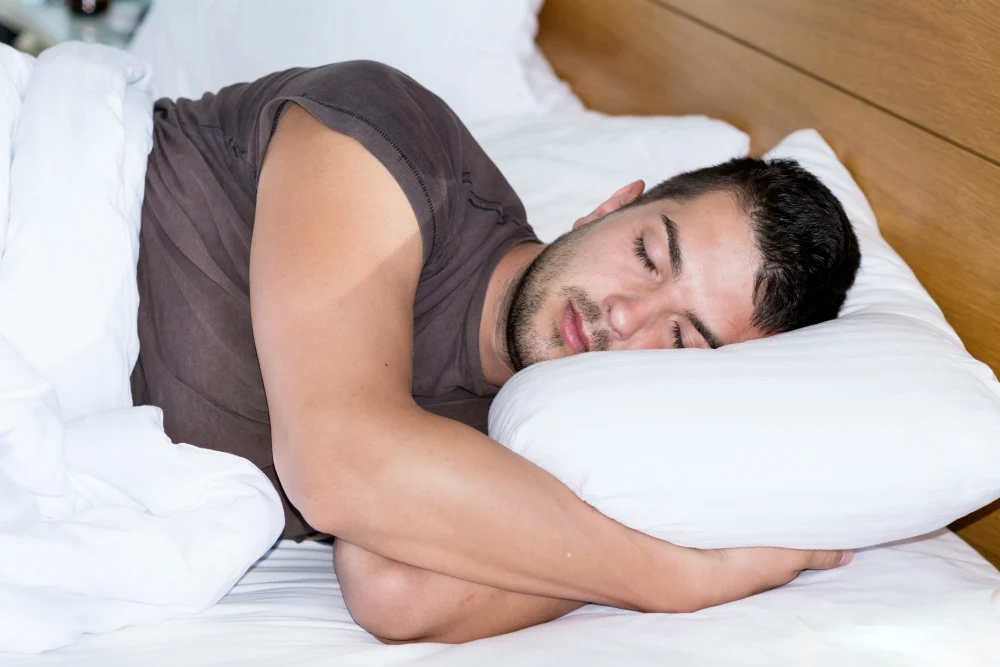
Sleep Is Not a Luxury. It’s a Biological Necessity.
Most people treat sleep as optional. Something to sacrifice when life gets busy. But your body has a very different opinion.
Every single night, while you sleep, your brain is cleaning itself, your heart is recovering, your immune system is rebuilding, and your memories are being organized. None of this happens properly without adequate sleep.
This guide explains exactly why adequate sleep is essential for good health, what chronic sleep deprivation does to your body, and the most effective ways to sleep better starting tonight.
📋 Table of Contents
- What Actually Happens While You Sleep
- How Much Sleep Do You Really Need?
- Health Benefits of Adequate Sleep
- What Sleep Deprivation Does to Your Body
- Sleep and Brain Health
- Sleep and Heart Health
- Sleep and Weight Management
- Sleep and Your Immune System
- Proven Tips to Sleep Better Every Night
- Common Sleep Disorders to Know About
- Frequently Asked Questions
What Actually Happens While You Sleep
Most people think sleep is simply “doing nothing.” But that couldn’t be further from the truth.
Sleep is one of the most biologically active states your body enters. While you’re unconscious, your body is running a complex series of repair and maintenance processes that simply cannot happen any other way.
The Sleep Stages Explained
Sleep is divided into cycles, each lasting roughly 90 minutes. Each cycle includes several stages.
- Stage 1 (Light Sleep). Your body begins to relax. Heart rate and breathing slow. This is the transition from wakefulness to sleep.
- Stage 2 (Deeper Light Sleep). Body temperature drops. Eye movement stops. Brain activity slows with occasional bursts of activity called sleep spindles.
- Stage 3 (Deep Sleep). This is the most restorative stage. Growth hormone is released. Tissue repair happens. Your immune system strengthens. This stage is crucial for physical recovery.
- REM Sleep (Rapid Eye Movement). Your brain becomes more active. Dreams occur. Memories are processed and consolidated. Emotional regulation happens here.
Each of these stages serves a specific purpose. Cutting sleep short means missing out on critical stages, especially the deep and REM stages that occur in greater proportion later in the night.
During deep sleep, your brain activates a waste-clearance system called the glymphatic system. It flushes out toxic proteins that accumulate during waking hours, including amyloid and tau proteins linked to Alzheimer’s disease. This cleaning process is almost entirely dependent on adequate sleep.
How Much Sleep Do You Really Need?
Sleep needs vary by age. But for most adults, the answer is more than most people actually get.
| Age Group | Recommended Sleep | Why It Matters |
|---|---|---|
| Newborns (0 to 3 months) | 14 to 17 hours | Brain and body development |
| Children (6 to 12 years) | 9 to 12 hours | Growth, learning, and immunity |
| Teenagers (13 to 18 years) | 8 to 10 hours | Hormonal development and mood |
| Adults (18 to 64 years) | 7 to 9 hours | Physical recovery, cognition, health |
| Older Adults (65 and above) | 7 to 8 hours | Brain health, immunity, balance |
Here’s something important. You can’t “catch up” on lost sleep over the weekend. Chronic sleep debt accumulates over time. Its effects on health build up regardless of whether you occasionally sleep longer on Saturdays.
Health Benefits of Adequate Sleep
Getting enough quality sleep isn’t just about feeling rested. It touches virtually every system in your body. Here’s what adequate sleep actually does for you.
- Sharper thinking and better memory. Sleep consolidates information learned during the day and clears mental fog.
- Stronger immune function. Your body produces infection-fighting proteins called cytokines mainly during sleep.
- Better weight control. Adequate sleep regulates hunger hormones, reducing cravings for high-calorie foods.
- Lower heart disease risk. Quality sleep reduces blood pressure, inflammation, and cardiovascular stress.
- Improved mood and emotional resilience. REM sleep specifically regulates emotional responses and stress tolerance.
- Better blood sugar control. Adequate sleep improves insulin sensitivity, reducing diabetes risk.
- Reduced inflammation. Poor sleep is a major driver of systemic inflammation linked to many chronic diseases.
- Lower dementia risk. The brain’s nightly cleanup process protects against toxic protein buildup.
What Sleep Deprivation Does to Your Body
Sleep deprivation isn’t just uncomfortable. It’s genuinely dangerous. Here’s what happens when you consistently get too little sleep.
- After 24 hours without sleep. Cognitive impairment equivalent to being legally drunk. Reaction times slow dramatically.
- After one week of poor sleep. Measurable increases in blood pressure, cortisol, and inflammatory markers. Mood deteriorates significantly.
- Chronically, over months and years. Dramatically raised risk of obesity, type 2 diabetes, heart disease, depression, and dementia.
The science is unambiguous. People who regularly sleep fewer than 6 hours per night are significantly more likely to develop serious health conditions than those who sleep 7 to 9 hours.
Studies from the National Sleep Foundation show that driving after being awake for 18 hours produces impairment similar to a blood alcohol level of 0.05%. After 24 hours without sleep, impairment equals a blood alcohol level of 0.10%. Never drive when severely sleep-deprived.
Sleep and Brain Health
Your brain is perhaps the organ most affected by sleep quality. Here’s why.
During sleep, the glymphatic system flushes out metabolic waste from brain cells. This includes amyloid beta and tau proteins, the same toxic proteins that accumulate in Alzheimer’s disease. Without adequate sleep, these proteins build up faster than they can be cleared.
Research published in Science found that even a single night of sleep deprivation caused a significant increase in amyloid beta accumulation in the brain. Imagine what years of poor sleep does.
Additionally, REM sleep is when your brain processes and organizes new information. This is why learning suffers dramatically when sleep is cut short. Students who sleep well after studying consistently outperform those who stay up all night.
Sleep and Heart Health
Your heart gets a much-needed break while you sleep. Blood pressure naturally drops during sleep. Heart rate slows. This period of reduced cardiovascular strain is essential for long-term heart health.
When sleep is cut short or disrupted, that recovery time is stolen from your heart. Studies consistently show that people who sleep fewer than 6 hours nightly have significantly higher rates of hypertension, heart attack, and stroke compared to those sleeping 7 to 9 hours.
Furthermore, poor sleep drives inflammation in blood vessels. It raises cortisol. It promotes insulin resistance. All three directly increase cardiovascular risk over time.
Sleep and Weight Management
If you’ve ever noticed you crave junk food after a bad night’s sleep, there’s a clear biological reason for that.
Sleep directly regulates two key hunger hormones. Ghrelin is the hunger hormone that tells you to eat. Leptin is the satiety hormone that tells you to stop. Poor sleep raises ghrelin and lowers leptin simultaneously. The result is increased hunger, stronger cravings for high-calorie foods, and reduced willpower to resist them.
Research shows that people who sleep fewer than 7 hours per night consume significantly more calories the next day. They also preferentially crave sugary, fatty foods. Over time, this drives weight gain.
Studies confirm that people who sleep poorly are 55% more likely to become obese than those who sleep adequately. No diet can fully compensate for the hormonal chaos that chronic sleep deprivation creates.
Sleep and Your Immune System
Your immune system does much of its most important work while you sleep. During deep sleep, your body produces proteins called cytokines. These proteins help fight infection, inflammation, and stress.
When you don’t get enough sleep, cytokine production drops. Your immune defenses weaken. Studies show that people who sleep fewer than 7 hours are three times more likely to catch a cold when exposed to the virus compared to those sleeping 8 or more hours.
This is also why you feel so tired when you’re sick. Your body is essentially forcing you to sleep more so it can direct maximum resources toward fighting the infection.
Proven Tips to Sleep Better Every Night
The science of sleep hygiene is well-established. These strategies are backed by strong evidence and work for most people.
Keep a Consistent Sleep Schedule
Go to bed and wake up at the same time every day, including weekends. Your body’s circadian rhythm is sensitive to consistency. Even one or two late nights per week can disrupt it significantly.
Make Your Bedroom a Sleep Sanctuary
Your sleep environment matters more than most people realize. Keep your bedroom cool (around 18 to 20 degrees Celsius), dark, and quiet. Use blackout curtains if needed. Consider white noise for blocking disruptions.
Limit Screens Before Bed
The blue light from phones, tablets, and computers suppresses melatonin production. Melatonin is the hormone that signals your body it’s time to sleep. Avoid screens for at least one hour before bedtime.
Watch Your Caffeine Timing
Caffeine has a half-life of about 5 to 6 hours. This means a coffee at 3 PM still has half its caffeine in your system at 9 PM. For better sleep quality, cut off caffeine intake after 2 PM.
Exercise Regularly, But Not Too Late
Regular physical activity improves sleep quality significantly. However, vigorous exercise within 2 hours of bedtime can raise cortisol and body temperature, making it harder to fall asleep. Morning or afternoon workouts work best for sleep.
Wind Down With a Relaxing Routine
Your brain needs a transition signal between activity and sleep. A consistent 20 to 30 minute wind-down routine helps. This might include light stretching, reading a book, a warm shower, or deep breathing exercises.
| Sleep Habit | What to Do | Effect on Sleep |
|---|---|---|
| Sleep schedule | Same time every day including weekends | Regulates circadian rhythm |
| Bedroom temperature | Keep cool at 18 to 20 degrees Celsius | Supports deep sleep stages |
| Screen exposure | Avoid 1 hour before bed | Protects melatonin production |
| Caffeine cutoff | No caffeine after 2 PM | Allows caffeine to clear the system |
| Exercise timing | Morning or early afternoon | Improves sleep depth without disrupting it |
Common Sleep Disorders to Know About
Sometimes, poor sleep isn’t just a habit problem. It’s a medical condition. Here are the most common sleep disorders to be aware of.
- Insomnia. Difficulty falling asleep, staying asleep, or waking too early. The most common sleep disorder, affecting up to 30% of adults at any given time.
- Sleep apnea. Repeated pauses in breathing during sleep, causing fragmented rest and reduced oxygen. Often undiagnosed, strongly linked to heart disease.
- Restless leg syndrome. An uncomfortable urge to move the legs, especially at night, disrupting the ability to fall asleep.
- Circadian rhythm disorders. Misalignment between your internal clock and your environment, common in shift workers and frequent travelers.
If you consistently struggle with sleep despite good sleep hygiene, talk to your doctor. Many sleep disorders are highly treatable once properly diagnosed.
Frequently Asked Questions
❓ How many hours of sleep is considered adequate for adults?
Most adults need 7 to 9 hours of sleep per night, according to the National Sleep Foundation and the American Academy of Sleep Medicine. However, sleep needs vary slightly between individuals. The key indicator is how you feel during the day. If you feel alert, focused, and energetic without relying on caffeine, you’re likely getting adequate sleep.
❓ Can you catch up on lost sleep on weekends?
Unfortunately, not fully. While sleeping longer on weekends can partially reduce sleepiness, research shows it does not fully reverse the health consequences of chronic sleep deprivation. Cognitive impairment, metabolic changes, and cardiovascular effects from a week of poor sleep cannot be completely undone by two nights of recovery sleep. Consistent nightly sleep is far more beneficial than irregular patterns.
❓ Does poor sleep really cause weight gain?
Yes, significantly. Poor sleep raises ghrelin (the hunger hormone) and lowers leptin (the fullness hormone). This causes increased appetite and stronger cravings for high-calorie foods. Studies show that people who regularly sleep fewer than 7 hours are 55% more likely to become obese over time. Good sleep is a foundational component of any effective weight management strategy.
❓ What is the best sleeping position for health?
Sleeping on your side is generally considered the healthiest position for most people. It reduces snoring, helps with acid reflux, and supports spinal alignment. The left side is often recommended for heart health and digestion. Sleeping on your back is acceptable for spine health but can worsen sleep apnea. Sleeping on your stomach is typically the least recommended as it strains the neck and lower back.
❓ Can melatonin supplements help improve sleep?
Melatonin supplements can be helpful in specific situations, particularly for jet lag, shift work, or resetting a disrupted sleep schedule. However, they are not a cure for chronic insomnia or poor sleep hygiene. Melatonin works best in low doses (0.5 to 1mg) taken about 30 to 60 minutes before bed. For persistent sleep problems, improving sleep hygiene and addressing any underlying disorders is more effective long-term. Always consult your doctor before using sleep supplements regularly.
Sleep Well Tonight. Live Better Tomorrow.
Understanding why adequate sleep is essential for good health changes how you look at those 7 to 9 hours. Sleep is not wasted time. It’s when your brain cleans itself, your heart recovers, your immune system rebuilds, and your body prepares for another day.
Start tonight. Set a consistent bedtime. Put the phone down an hour earlier. Keep your room cool and dark. These changes are small. But done consistently, their impact on your health is profound and lasting.
Your body heals while you sleep. Give it the time it needs. 💚
Medical Disclaimer: The information provided in this article is intended for general educational and informational purposes only and does not constitute medical advice, diagnosis, or treatment. If you consistently experience poor sleep, excessive daytime sleepiness, or symptoms of a sleep disorder such as sleep apnea, please consult a qualified physician or sleep specialist. BestInMeds.com does not recommend or endorse any specific medication, supplement, or treatment protocol.