

Pregnancy Test
Learn how pregnancy tests detect hCG, when to take them, and how accurate urine and blood tests can be.
BestinMeds6 Sections
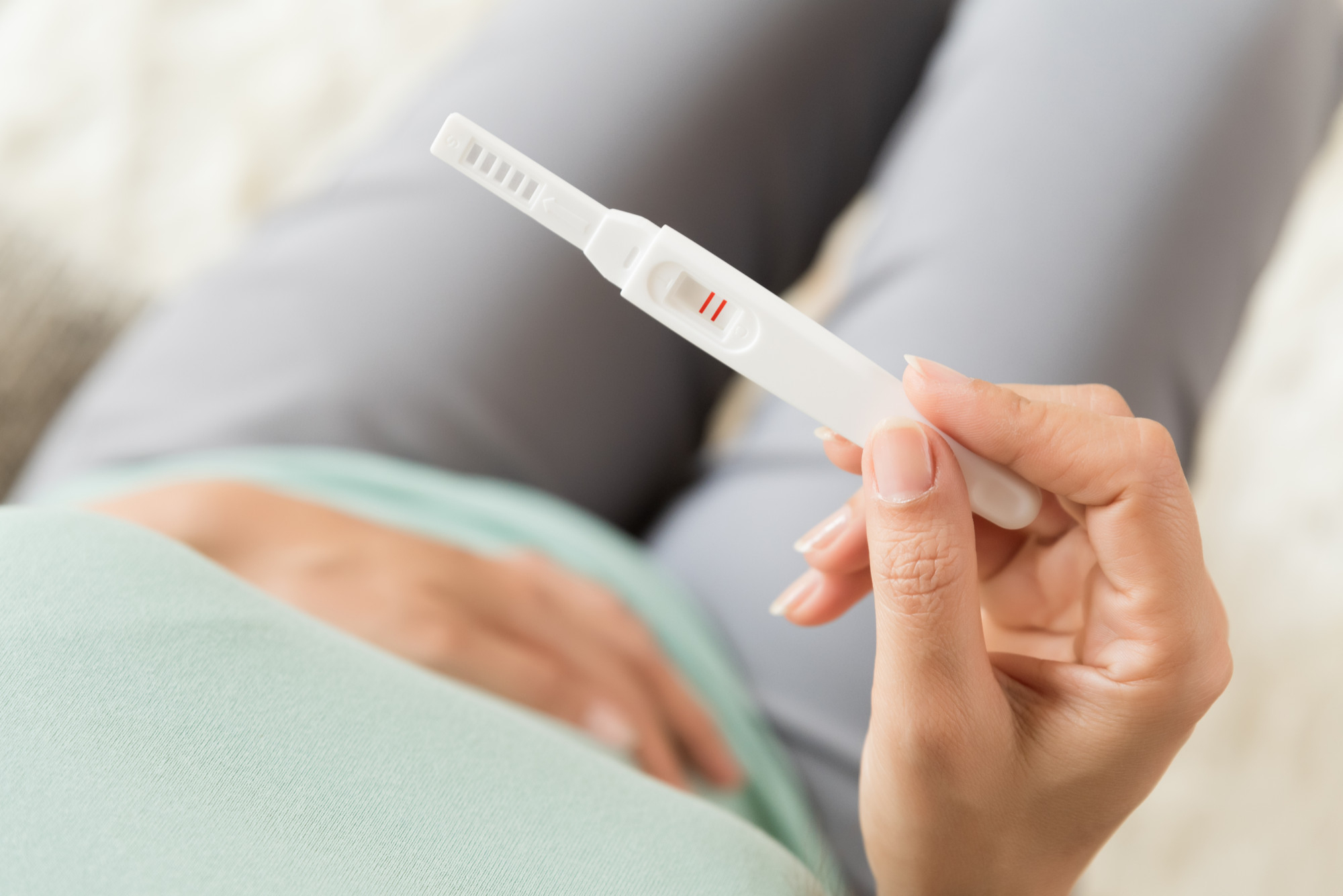
A pregnancy test is the simplest way to find out whether you are pregnant. It detects a hormone called hCG in your urine or blood, and it works best from the first day of a missed period. This guide explains how pregnancy tests work, when to take one, and what your result means.
Everything You Need To Know About Pregnancy Tests
Pregnancy tests are quick, private and widely available. You can buy a home urine test at a pharmacy, or have a blood test at a clinic or hospital. Both types look for the same hormone, human chorionic gonadotropin (hCG), which your body starts to make after a fertilised egg implants in the womb.
A test can confirm pregnancy, but it cannot tell you everything. If the result is positive, book an antenatal check-up so a doctor can confirm it and plan your care.
How Does A Pregnancy Test Work
After conception, the developing placenta makes hCG. The level of this hormone rises quickly in the first weeks, doubling roughly every two days. A urine test detects hCG once it reaches a certain level, usually from the day your period is due.
A blood test can detect hCG earlier and measure how much is present. Your doctor may use a blood test if a urine test is unclear, or to check how a pregnancy is progressing.
Home Urine Pregnancy Test
Home tests are easy to use. Read the instructions on the packet, collect your urine in a clean container or hold the test stick in your urine stream, then wait the time the packet says, usually a few minutes. Use your first urine of the morning, when hCG is most concentrated.
- When to test: Wait until the first day of a missed period for the most reliable result. Testing too early can give a false negative.
- Reading the result: A line, a plus sign or the word ‘pregnant’ usually means positive. A faint line still counts as positive.
Blood Pregnancy Test
A blood test is done at a clinic, hospital or laboratory. It can detect pregnancy a few days earlier than a urine test, and it can measure the exact level of hCG. Your doctor may order one if your urine test is unclear, if you have had a previous pregnancy loss, or if there are concerns about the pregnancy.
You will get the result within a day or so. A blood test costs more than a home test, so most women start with a urine test and only have a blood test if their doctor advises it.
Understanding Your Result
A positive result almost always means you are pregnant. A negative result usually means you are not pregnant, but it can be wrong if you tested too early, if your urine was diluted, or if the test was used incorrectly.
- False negative: You may be pregnant even if the test says no. Wait a few days and test again, or see your doctor.
- False positive: This is rare, but it can happen after a recent pregnancy loss, with some medicines, or with a faulty test.
- Unclear result: If the line is very faint or you are unsure, test again in a few days with a new test.
What To Do After A Positive Test
If your test is positive, book an antenatal check-up with your doctor. Your doctor will confirm the pregnancy, estimate your due date, and arrange the first tests and scans. If you are unsure about the result, read our pregnancy signs guide to see how early signs fit with your result.
Start taking folic acid if you are not already doing so, and follow your doctor’s advice on food, rest and medicines. Avoid smoking and alcohol, and tell your doctor about any medicines you take.
When to see a doctor
See your doctor if your test is positive, if your period is late and repeated tests are negative, or if you have bleeding, severe pain, dizziness or a fever. You can find a gynaecologist on BestinMeds for a check-up.
BestinMeds Shares Health Information To Help You Plan And Understand Your Care. It Does Not Replace A Doctor.
More Pregnancy Topics
All Pregnancy Topics

