
Simple Tips For Normal Delivery
Healthy habits, gentle exercise and good preparation can help your body get ready for a normal delivery. Here are simple, practical tips for each stage of pregnancy.
BestinMeds6 Sections

A normal delivery, also called a vaginal birth, is the most common way babies are born. While no one can guarantee how labour will go, healthy habits during pregnancy, gentle exercise and good preparation can help your body get ready. These simple tips for normal delivery explain what you can do, step by step.
Simple Tips for Normal Delivery
Normal delivery means giving birth through the birth canal without surgery. Your body is made for this, and most women who are healthy and have a low-risk pregnancy can aim for a normal delivery. Your doctor will advise you on the safest option for you and your baby.
The tips below are general guidance for healthy pregnancies. Always follow your own doctor’s advice, especially if you have a medical condition or a previous caesarean.
Stay Active During Pregnancy
Regular gentle movement helps your body prepare for labour. Walking is one of the best exercises in pregnancy: it keeps your muscles strong, improves your mood and helps your baby settle into a good position for birth.
Pelvic floor exercises, often called Kegels, strengthen the muscles that support your bladder, womb and bowel. Practise them daily by tightening the muscles you use to stop passing urine, holding for a few seconds, then relaxing. Ask your doctor or midwife to show you the correct way.
- Walk daily: Aim for a comfortable walk most days, and build up slowly.
- Swimming and stretching: Gentle swimming and pregnancy yoga can ease back pain and help you relax.
- Avoid heavy strain: Do not lift heavy loads or do intense exercise without your doctor’s advice.
Eat Well And Rest Well
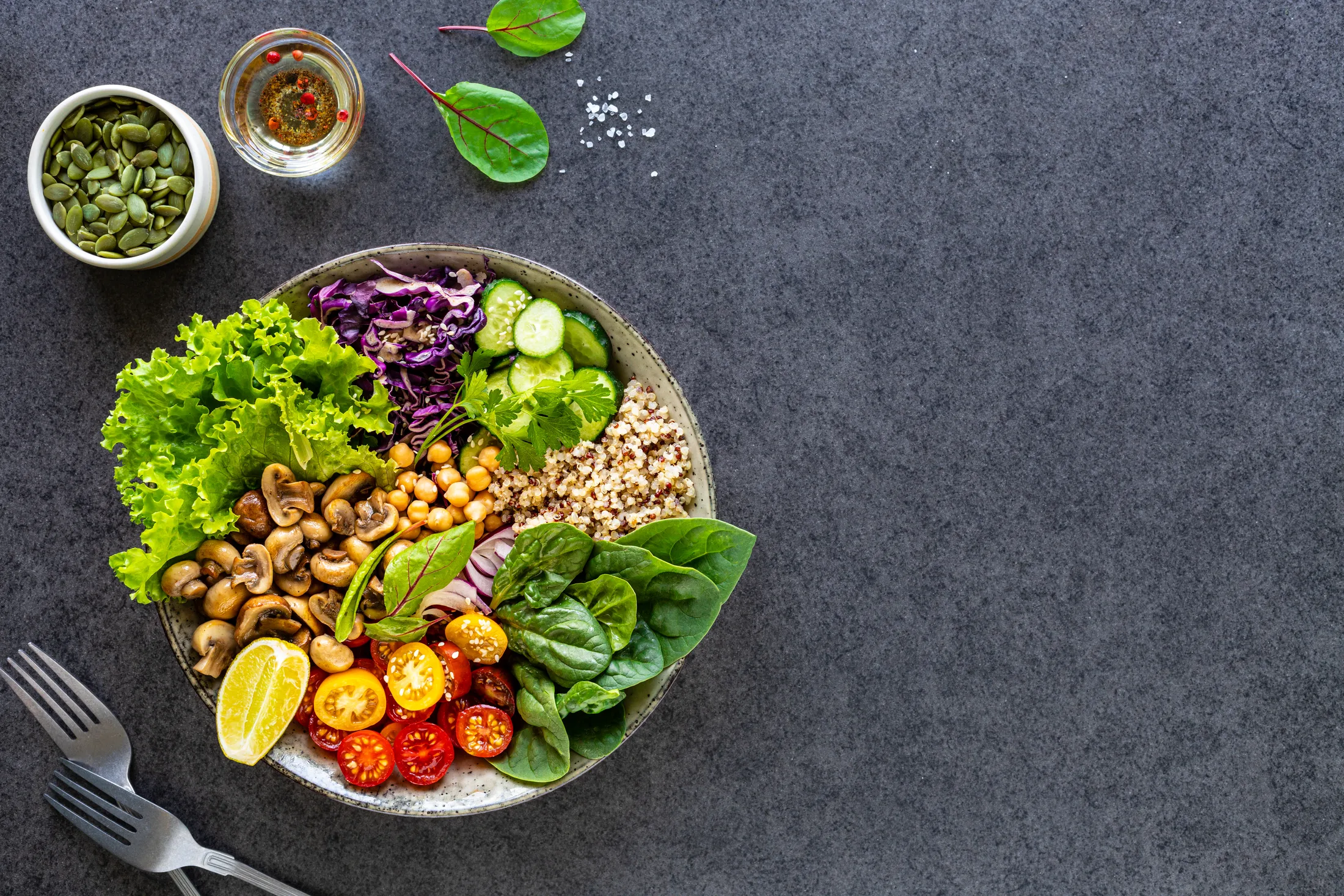
A balanced diet gives you the energy you need for pregnancy and labour. Eat regular meals with rice or whole grains, lentils, vegetables, fruit, eggs, fish or lean meat, and milk or yoghurt. Drink plenty of clean water.
Rest is just as important. Aim for a regular sleep routine, and nap during the day if you feel tired. In the last weeks, rest more and save your energy for labour.
Prepare Your Body For Labour
Learning how to breathe and relax can help you cope with contractions. Slow, deep breathing and relaxing your shoulders between contractions are simple techniques you can practise at home. Antenatal classes can teach you these skills.
Ask your doctor or midwife about perineal massage in the last weeks of pregnancy, which some women use to prepare the birth canal. Stay upright and move around during early labour if you can, as changing position can help labour progress.
Make A Birth Plan
A birth plan is a simple note of your wishes for labour and birth. Write down where you plan to give birth, who will be with you, how you would like to manage pain, and what you would like to happen after birth. Share it with your doctor and your family.
Plan the practical details too: pack a hospital bag, arrange transport, and keep your doctor’s number and the hospital’s number close at hand. Read our normal vs caesarean delivery guide to understand the options, and find a hospital near you.
Know The Signs Of Labour
Labour usually starts with regular contractions that get stronger and closer together. Other signs include your waters breaking, a bloody show, or a dull backache that does not go away. When contractions come every 5 minutes and last about a minute, it is usually time to go to hospital.
Every labour is different, and first labours often take longer. Stay calm, keep moving if you can, and follow your doctor’s advice on when to come in.
When to see a doctor
Call your doctor or go to hospital straight away if you have heavy bleeding, severe pain, reduced baby movements, fever, leaking fluid, or contractions before 37 weeks. Attend all antenatal visits so your doctor can check that a normal delivery is safe for you.
BestinMeds Shares Health Information To Help You Plan And Understand Your Care. It Does Not Replace A Doctor.
More Pregnancy Topics
All Pregnancy Topics