

Weight Loss After Baby Delivery
After your baby arrives, losing the pregnancy weight takes time — and that is normal. This guide covers food, gentle exercise, rest and realistic goals, so you can get stronger and healthier at your own pace.
BestinMeds6 Sections
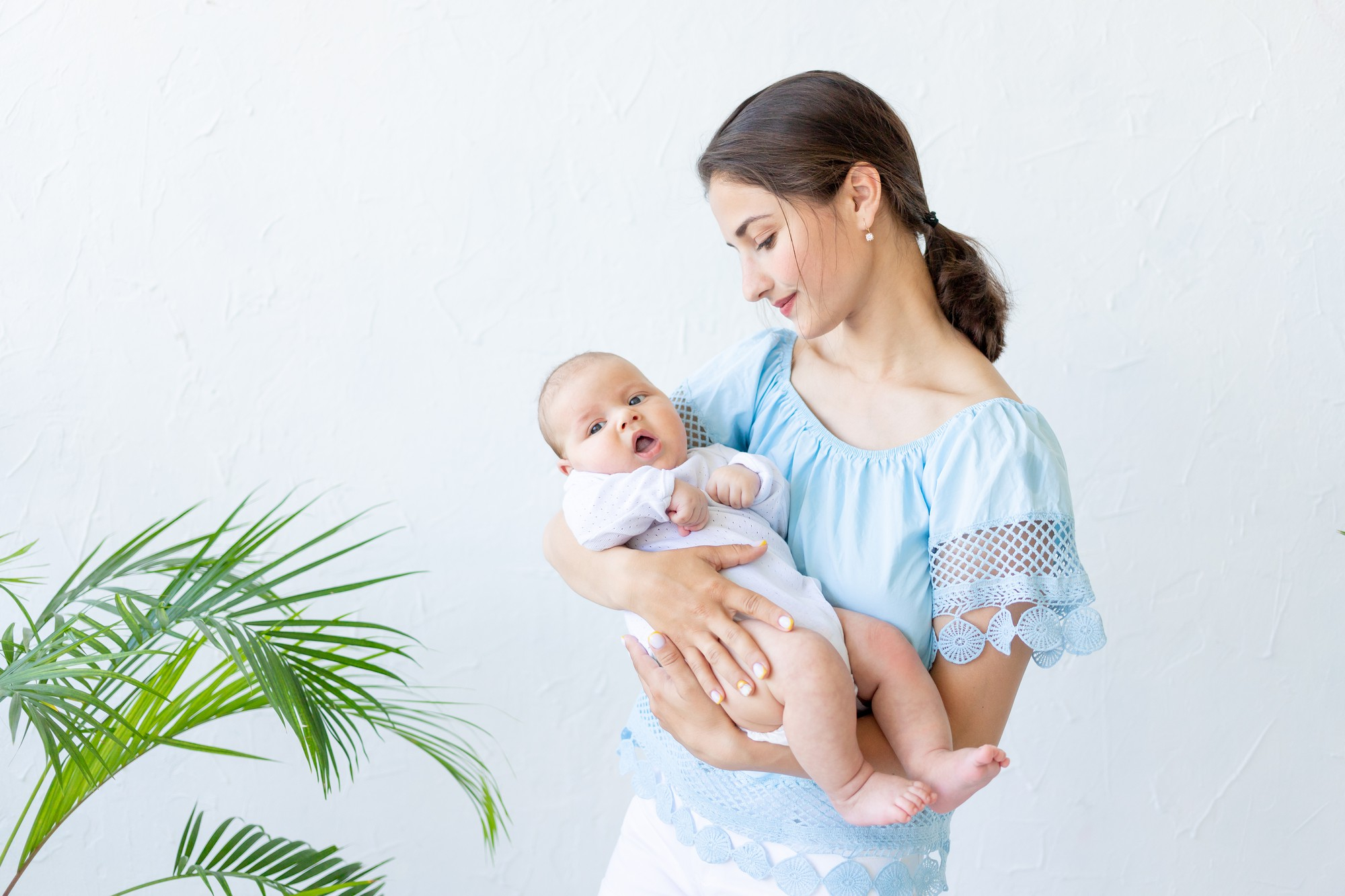
Weight loss after baby delivery takes time, and that is normal. Your body spent nine months growing a baby, and it needs time to recover. This guide explains how to lose weight safely and gradually after birth, with balanced food, gentle movement and realistic goals for new mothers in Bangladesh.
How to Lose Weight After Baby Delivery
After your baby arrives, it is natural to want your old body back. Be patient with yourself: most women lose pregnancy weight over several months, not weeks. Focus on getting stronger and healthier, not on a number on the scale.
Breastfeeding, balanced food and gentle movement all help. There is no need for a strict diet, especially while you are breastfeeding. Small, steady changes work best.
A Realistic Timeline
You will lose some weight straight after birth, as the baby, the placenta and extra fluid leave your body. After that, weight loss slows down. A safe goal is to lose weight gradually, about half a kilogram a week, once your doctor says it is safe to do so.
It can take 6 to 12 months to return to your pre-pregnancy weight, and that is normal. Your body shape may be different from before, and that is also normal. Set small goals, such as walking daily or cooking one healthy meal a day, rather than aiming for a quick fix.
Eat Well While Breastfeeding
If you are breastfeeding, you need extra energy and nutrients. Eat regular balanced meals with rice or whole grains, lentils, vegetables, fruit, eggs, fish or lean meat, and milk or yoghurt. Drink plenty of clean water, as breastfeeding can make you thirsty.
Do not skip meals or follow a very low-calorie diet while breastfeeding, as this can reduce your milk supply and leave you tired. If you are not breastfeeding, a gentle calorie reduction is safe, but avoid crash diets. For ideas on balanced meals, see our food during pregnancy guide, which also applies after birth.
Gentle Exercise After Birth
Start with gentle movement once your doctor says it is safe, usually after your 6-week check-up, or sooner for light walking. Walking with your baby is a good way to start: it is gentle, free, and you can do it daily.
Pelvic floor exercises help your body recover after birth. Tighten the muscles you use to stop passing urine, hold for a few seconds, then relax, and repeat several times a day. As you get stronger, add gentle stretching, swimming or postnatal yoga.
- Start slowly: Begin with short walks and build up gradually.
- Listen to your body: Stop if you feel pain, heavy bleeding or dizziness.
- Ask your doctor: If you had a caesarean or a complicated birth, ask your doctor when it is safe to exercise.
Sleep, Stress And Support
Sleep is hard with a new baby, but rest matters for weight loss. Poor sleep can increase hunger and make it harder to choose healthy food. Sleep when your baby sleeps, and accept help from family and friends.
Stress can also affect your weight. Be kind to yourself, and ask for support if you feel low or overwhelmed. Talking with other new mothers, or with your doctor, can help.
What To Avoid
Avoid crash diets, diet pills and very low-calorie eating, as they can harm your health and, if you are breastfeeding, your milk supply. Avoid intense exercise before your body has healed, and do not compare yourself with others.
Focus on habits you can keep: balanced meals, daily movement, enough water and regular rest. These help you lose weight and feel better, without putting your health at risk.
When to see a doctor
See your doctor if you have heavy bleeding after birth, severe pain, a fever, or signs of infection. Ask your doctor before starting a diet or exercise plan, especially if you had a caesarean, high blood pressure or diabetes. You can find a gynaecologist on BestinMeds for a postnatal check-up.
BestinMeds Shares Health Information To Help You Plan And Understand Your Care. It Does Not Replace A Doctor.
More Pregnancy Topics
All Pregnancy Topics

