

Food During Pregnancy
A balanced diet with enough iron, calcium, folic acid and protein matters more than eating for two. Here is what to eat, what to avoid, and how to stay safe.
BestinMeds6 Sections
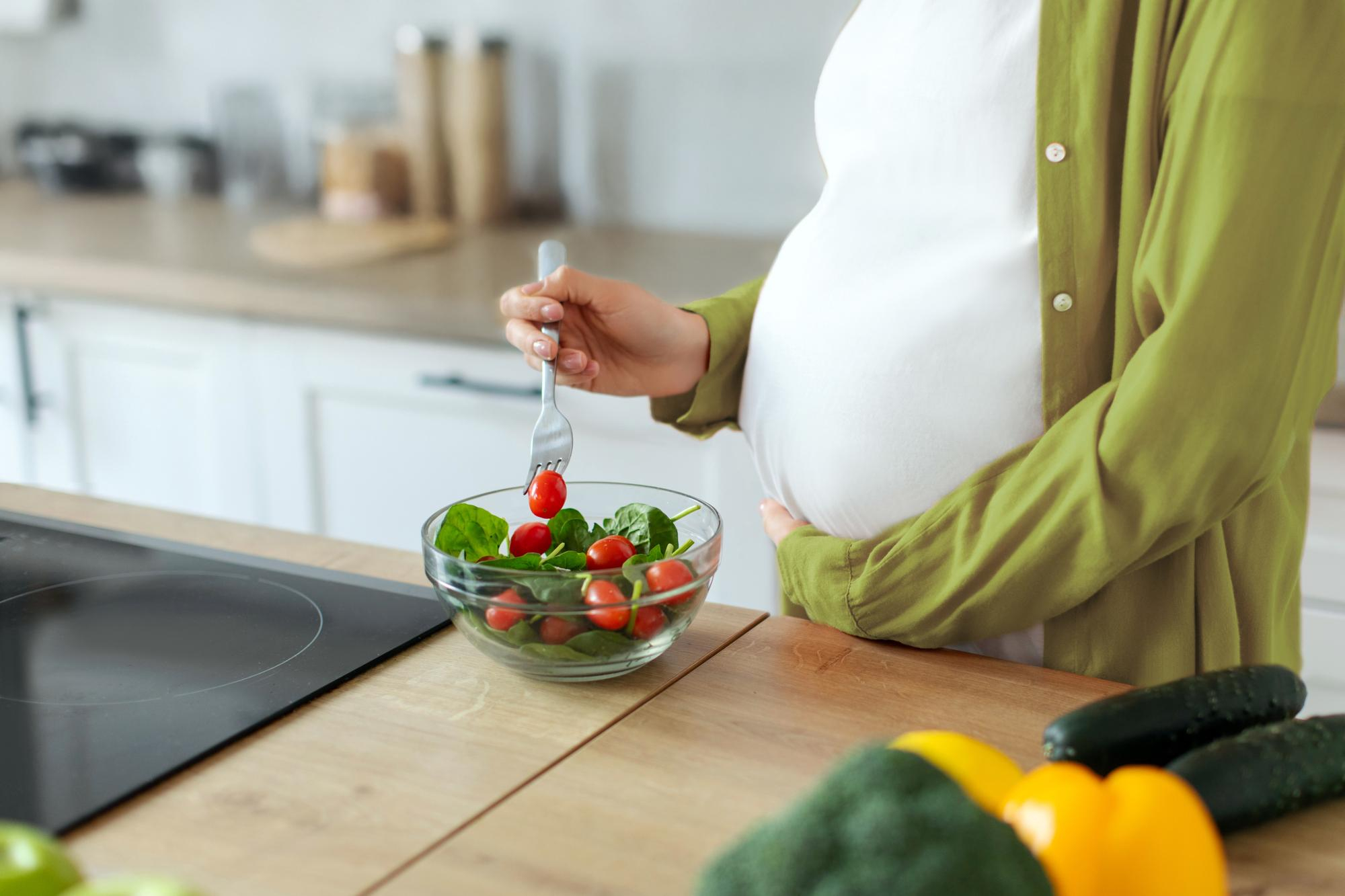
Good food during pregnancy helps you stay strong and supports your baby’s growth. A balanced diet with enough iron, calcium, folic acid and protein matters more than eating for two. This guide explains what to eat, what to avoid, and how to handle common food problems in pregnancy.
Healthy Food During Pregnancy
A healthy pregnancy diet is built on everyday foods. Aim for a mix of rice or whole grains, lentils and beans, vegetables, fruit, eggs, fish or lean meat, and milk or yoghurt at each meal. Eating a variety of foods gives you and your baby the nutrients you both need.
You do not need to eat twice as much. In the second and third trimesters, a small extra snack, such as fruit with yoghurt or a boiled egg, is usually enough. Eat regular meals and do not skip breakfast.
Foods To Eat During Pregnancy
These foods are especially helpful in pregnancy. Include them often, and vary your meals so you get a wide range of nutrients.
- Iron-rich foods: Lentils, leafy greens, eggs and red meat help prevent anaemia.
- Calcium: Milk, yoghurt, cheese and small fish with soft bones support your baby’s bones.
- Folic acid: Leafy greens, lentils, beans and fortified foods help, along with the supplement your doctor recommends.
- Protein: Eggs, fish, lentils, beans and dairy help your baby grow.
Foods to Avoid During Pregnancy
Some foods carry a higher risk of infection or harm in pregnancy. Avoid them, or prepare them safely.
- Raw or undercooked meat and fish: Cook meat and fish thoroughly, and avoid raw fish, shellfish and sushi.
- Unpasteurised milk and soft cheese: Choose pasteurised milk and hard cheese.
- Raw eggs: Avoid foods made with raw egg, such as some mayonnaise and desserts.
- Very salty and processed foods: Cut down on heavily salted snacks, instant noodles and processed meats.
- Liver: Avoid liver and liver products, as they contain very high levels of vitamin A.
Drinks And Supplements
Drink plenty of clean, safe water through the day. Limit tea and coffee, as too much caffeine is not advised in pregnancy. Avoid alcohol completely, as no amount is known to be safe for your baby.
Your doctor will advise you on folic acid and iron supplements. Folic acid is recommended before and in early pregnancy, and iron helps prevent anaemia. Take supplements as your doctor advises, and tell your doctor about any herbal products you use.
Eating For Common Problems
Nausea, heartburn and constipation are common in pregnancy, and food choices can help.
- Nausea: Eat small, frequent meals, keep dry biscuits by your bed, and sip ginger tea if it helps.
- Heartburn: Eat smaller meals, avoid spicy and fried foods, and do not lie down straight after eating.
- Constipation: Drink more water, eat fibre-rich foods such as whole grains and vegetables, and walk daily.
Food Safety At Home
Safe food handling protects you from infections. Wash your hands before cooking and eating, wash fruit and vegetables well, cook food thoroughly, and store leftovers in the fridge and eat them soon.
Keep raw meat away from cooked food, use clean water for cooking and drinking, and check expiry dates. If you eat outside the home, choose freshly cooked food from clean places.
When to see a doctor
See your doctor if you have severe vomiting and cannot keep fluids down, diarrhoea that lasts more than a day, a high fever, or signs of dehydration. Ask your doctor or a nutritionist if you have diabetes, anaemia or food allergies. You can find a gynaecologist on BestinMeds. For more everyday guidance, see our pregnancy tips.
BestinMeds Shares Health Information To Help You Plan And Understand Your Care. It Does Not Replace A Doctor.
More Pregnancy Topics
All Pregnancy Topics

